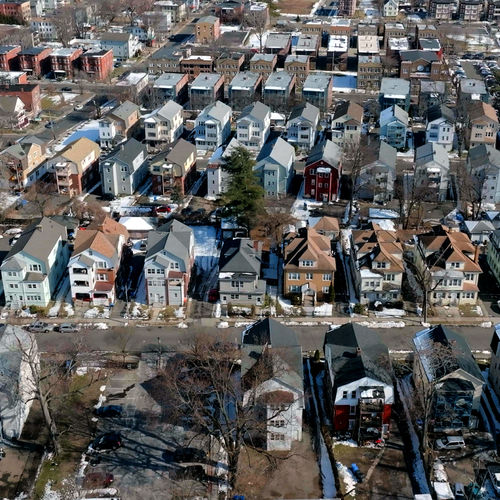
As 2025 winds down, the U.S. housing market appears to be entering a phase many analysts are calling the “reset”: a shift away from boom‑era volatility toward slower, steadier growth, tempered demand, and a more measured pace for buyers, sellers, and investors.
What the Forecasts Say for 2026
- Experts surveyed by Reuters expect U.S. home‑price growth to slow to around 1.4%, the slowest annual rise in 14 years.
- Zillow’s economists are even a bit more cautious, projecting only 1.2% national home‑value appreciation in 2026.
- That said, they expect a modest rebound in activity: existing‑home sales are forecast to rise about 4.3% compared with 2025 — reaching roughly 4.26 million sales.
- The takeaway: prices aren’t set to crash — but neither are they expected to skyrocket. Instead, 2026 seems poised for a gentle, predictable uptick.
What’s Behind the Cautious Optimism
According to analysts behind the reset narrative:
- Affordability is easing — slowly. With home‑price growth lagging behind likely income growth, and mortgage rates expected to dip slightly (though stay elevated), monthly housing costs may climb more slowly than incomes. That could gradually bring more buyers back into the market.
- Sellers are less pressured. Many homeowners hold significant equity and low existing mortgage rates, reducing the urgency to sell — which tempers supply-driven price drops and keeps the market from overshooting into a steep decline.
- Rents and rentals remain part of the mix. As some buyers stay on the sidelines, demand for rental housing stays relevant. This could keep rental‑related investments or value-add strategies in play.
What This Means for Real‑Estate Pros, Investors & Contractors
For someone like you — managing rental/investment properties or working in contracting and remodeling — the 2026 reset carries both opportunity and constraints.
- Expect stability over speculation. With price growth modest, strategies focused on long-term rental income, value-add renovations, or reasonable cash flow may outperform speculative flipping or high-risk plays.
- Value-add and renovation work could pick up. As affordability remains tight for many, some buyers may prefer buying older or under‑improved homes and upgrading them. That’s a sweet spot for contractors and general‑construction firms.
- Mid‑market and affordability‑focused investments may outperform luxury or high‑end properties. Given subdued growth, lower- to mid-cost homes (or properties in growing but affordable metros) may offer a safer entry point and steadier returns.
- Patience will matter. With modest growth, success may come from holding assets longer, focusing on cash flow and incremental appreciation, rather than quick flips.
- Expect selective demand, not a rush. The rebound in sales likely comes mostly from buyers who can afford it — while many first-time buyers or lower-income households may remain sidelined, limiting demand in certain segments.
Strategic Considerations for 2026
As you look ahead, here are a few things to keep on your radar:
- Watch mortgage‑rate trends closely. Even small shifts — toward 6 % vs. 7 % — can change buyer behavior meaningfully.
- Focus on markets and regions where affordability and economic fundamentals align; avoid overheating or overpriced areas.
- Prioritize properties with value‑add potential — renovation, remodeling, rental conversions — over newly built or luxury homes.
- Keep underwriting conservative. Build in margins for interest‑rate shifts, economic changes, and slow appreciation.
- Consider cash‑flow‑oriented strategies: rentals, long‑term holds, and renovation-based value growth — rather than speculative buys.
2026 Looks Like the Year of Calm & Opportunity — But Only for the Savvy
The 2026 forecast isn’t about fireworks — it’s about incremental gains, more predictable market behavior, and a shift toward fundamentals. For real‑estate pros who adapt: this could be a good year for steady investing, strategic renovations, and long-term value plays.
Check out this article next