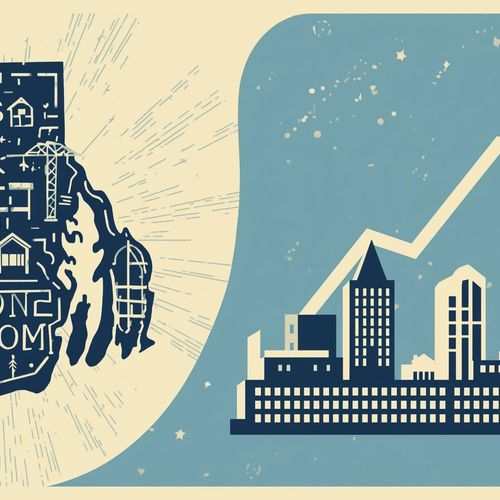
According to Redfin’s new 2026 housing-market forecast, the U.S. real-estate landscape is set for a long, slow reset rather than a crash — a period of gradual recovery, improved affordability (for some), and more balanced market dynamics.
Here are the headline projections for 2026:
- Home-price growth will slow drastically. Redfin expects the median U.S. home-sale price to rise only about 1% year-over-year in 2026 — a modest increase compared with recent years.
- Mortgage rates ease — but stay elevated. The forecast shows the typical 30-year fixed rate averaging ~6.3% in 2026 (slightly down from 2025).
- Affordability improves slightly (for a subset of buyers). Because prices grow slowly while wages — though also modest — are expected to rise faster than home-price growth, housing payments may grow more slowly than incomes, making homes a bit more accessible than in prior years.
- Home-sales volume ticks up moderately. Redfin projects total existing-home sales around 4.2 million in 2026, roughly a 3 % increase over 2025 — not a boom, but better than stagnation.
- The market remains bifurcated — some regions & segments will perform better than others. The “reset” won’t mean uniform recovery: high-cost or overheated markets may lag, while more affordable, mid-market or out-of-the-coast metros may see steadier demand and price stability.
In short: 2026 isn’t shaping up to be a return to the wild appreciation of the pandemic-era housing boom — but a calmer, more sustainable market where price growth is modest, and affordability nudges in the right direction, at least for some buyers.
Why This Matters — Especially for Real-Estate Pros and Contractors
If you work in real estate investments, brokerage, homebuilding, or contracting, this “reset” offers both opportunities and warning signs.
✅ What could work in 2026
- Value plays and long-term investments over quick flips. With prices rising slowly, speculative flipping, hoping for big appreciation, may yield lower returns. Instead, buying properties with value-add potential (renovations, upgrades, improvements) could deliver better long-term gains — classic real-estate investing with upside on resale or rental value.
- Rental demand & multi-unit / multi-family potential. Affordability constraints for many buyers — especially younger people — may push more people toward renting. That means demand for well-maintained rental properties, multi-family units or small-scale apartment conversions may remain robust.
- Renovation and remodeling opportunities. Homeowners looking to upgrade rather than move (especially if they can refinance at lower rates) could drive demand for renovation, remodeling, and general contracting — a sweet spot for 10X General Contracting.
- Selective market focus — steer toward resilient or undervalued metros. Markets with reasonable cost-of-living, growing job bases, or lower entry prices may outperform overheated metros. For an investor, contractor, or broker — this could be where you find better ROI and lower risk.
⚠️ What to watch out for / What may not work
- Affordability is still out of reach for many. Even with modest price growth and slightly lower rates, homeowning remains difficult for first-time buyers, younger generations, or lower-income households. The reset may help more than in recent years — but it won’t return things to “easy.”
- Regional and segment disparities. Coastal, luxury, or high-cost markets may lag or grow slowly; overbuilding or overpricing there could lead to longer sales cycles or price stagnation. Mistargeted investments could underperform.
- Not a quick rebound — slow and uneven recovery. Redfin stresses this will be a “years-long period of gradual increases.” That means patience, conservative expectations, and longer holding periods may be necessary.
- Still-high mortgage rate environment. Although rates are expected to ease, 6.3% is still high compared with the sub-3% pandemic era. That level limits purchasing power and could restrain demand among marginal buyers or those with tighter budgets.
What Real-Estate Professionals Should Do — Strategic Moves for 2026
Given the 2026 outlook and the “reset” environment, here are some strategic moves that real-estate professionals and contractors might consider:
- Shift focus to value-add properties and renovation potential. Instead of chasing high-end flips, look for underpriced or underimproved properties to buy and resell or rent after renovations. For contractors, this means aggressively marketing renovation services.
- Target mid-market and affordable metros for investment or development. Avoid overheated coastal or luxury markets; instead focus on smaller, stable metros or suburbs with potential for steady appreciation or rental demand.
- Consider rental-property investment or multi-unit conversions. With slower growth but rising demand for rentals, multi-family properties (or conversions) could offer steady cash flow and lower risk.
- Plan for long-term holds and conservative underwriting. Don’t assume huge appreciation — structure deals for cash flow, manageable mortgages, and reasonable exit strategies.
- Leverage your contracting/building business strengths. Given likely demand for renovations, remodeling, and perhaps smaller-scale builds (multi-unit conversions, accessory dwelling units), contractors have an advantageous role — especially if they offer quality and flexibility.
What Uncertainties Could Change the Picture
While the 2026 “Great Housing Reset” forecast is grounded — and offers a useful guide — a few factors could shift the trajectory:
- Economic downturns, inflation spikes, or interest-rate volatility could undermine affordability improvements or push rates back up.
- Regional shocks — e.g., demographic shifts, job-market downturns, climate issues, or local regulatory changes — could drastically affect performance in certain metros.
- Supply constraints or overbuilding in some areas might distort price/rent dynamics, affecting both long-term value and rental demand.
- Behavioral factors: younger buyers and renters may continue waiting or choosing alternatives (rent-to-own, co-living, long-term renting), limiting demand even if affordability improves somewhat.
Wrap-Up: A Reset — Not a Boom, But A Strategic Opportunity
The “Great Housing Reset” predicted by Redfin doesn’t mean a roaring comeback. Instead, 2026 looks like a year of steady—but subdued—renewal. For real-estate pros who adapt their strategies — valuing long-term holds, renovations, rentals, and value-add plays — this could be a fruitful environment. For those stuck on the idea of rapid flipping or speculative appreciation, the road ahead may be slow and bumpy.
Check out this article next