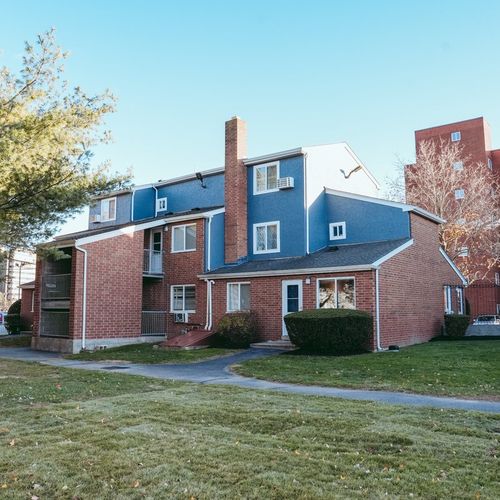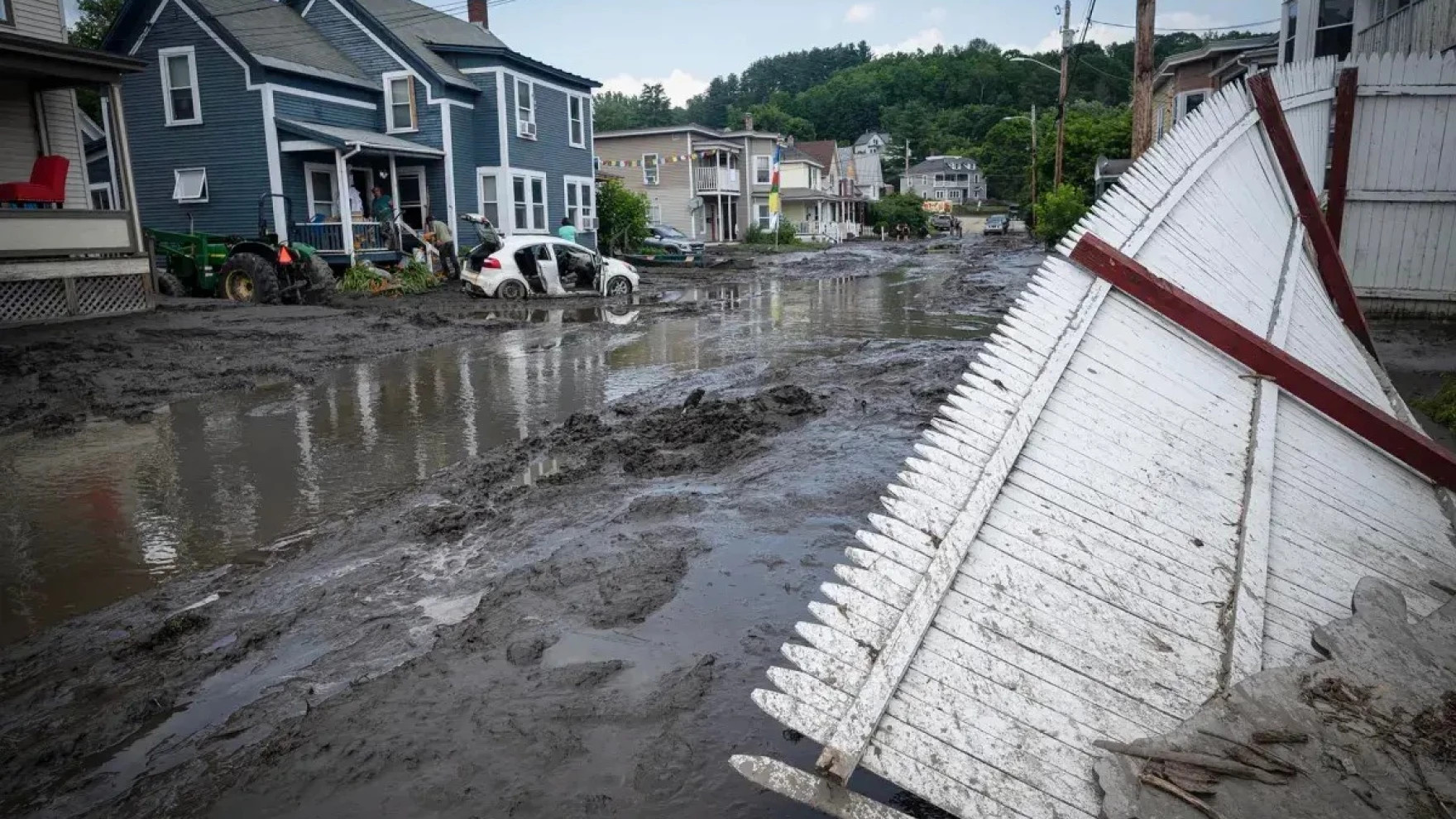
As Vermont looks ahead to 2026, public investment is playing an increasingly central role in shaping the state’s housing landscape. In the months leading up to December, the Vermont Housing & Conservation Board (VHCB) committed more than $25.3 million toward a broad mix of affordable housing development, floodplain recovery projects, and conservation initiatives. Per the Vermont Housing & Conservation Board, the funding supports both the creation of new housing and the rehabilitation of existing properties across the state.
This sustained level of investment signals a clear priority: expanding housing access while adapting to Vermont’s growing climate and affordability challenges.
What the Funding Is Supporting
The VHCB funding package is not limited to one type of project or community. Instead, it spans several key areas of need:
- New affordable housing construction, including rental units designed for low- and moderate-income households
- Senior housing projects, addressing Vermont’s aging population
- Rehabilitation of existing housing, particularly older properties in need of updates or flood mitigation
- Redevelopment in flood-damaged or high-need communities, helping towns recover while building more resilient housing stock
- Conservation of working lands and public-access natural areas, ensuring development is balanced with land preservation
Per the Vermont Housing & Conservation Board, these investments collectively support hundreds of housing units statewide, many of which are expected to come online over the next one to three years.
Why Flood-Resilient Housing Is Now a Priority
Recent years have made one thing clear: flooding is no longer an occasional concern in Vermont — it’s a recurring reality. As a result, housing policy has shifted toward not just rebuilding, but rebuilding smarter.
Flood-resilient development often includes:
- improved site planning and elevation
- updated drainage and foundation systems
- relocation of housing away from high-risk flood zones
- Rehabilitation of damaged homes to modern resilience standards
By tying affordable housing dollars to resilience goals, the state is attempting to protect both residents and long-term public investment.
What This Means for the 2026 Housing Market
For real estate professionals, this funding wave could have tangible impacts in the coming year and beyond.
More Affordable Inventory
As VHCB-backed projects reach completion, agents may begin to see more affordable rental and ownership opportunities enter the market — particularly in areas where supply has been limited for years.
Renewed Activity in Flood-Affected Communities
Towns that were previously sidelined due to flood damage may see new listings tied to rehabilitated or redeveloped properties. These homes may appeal to buyers who value resilience features and long-term risk reduction.
A Shift in Buyer Priorities
As flood awareness grows, buyers are increasingly asking about flood history, mitigation measures, and long-term risk. Homes built or rehabilitated under VHCB-backed programs may stand out for their durability and planning.
New Opportunities for Real Estate Pros
Agents, brokers, and investors who track VHCB-funded projects early may be better positioned to identify upcoming listings, rental opportunities, or emerging neighborhoods before broader market awareness catches up.
The Bigger Picture
Vermont’s housing challenges — affordability, aging stock, climate risk — won’t be solved overnight. But sustained public investment like this represents a meaningful step toward addressing multiple issues at once.
By pairing affordability with flood resilience and conservation, the state is signaling that the future of Vermont housing must be both accessible and adaptable.
With over $25.3 million committed, per the Vermont Housing & Conservation Board, Vermont is laying the groundwork for more affordable, resilient housing across the state. As projects move from planning to completion, the effects are likely to ripple through local markets — creating new inventory, reshaping buyer expectations, and opening doors in communities that need it most.
Agents who pay attention now will be better prepared for the opportunities that follow.
Check out this article next