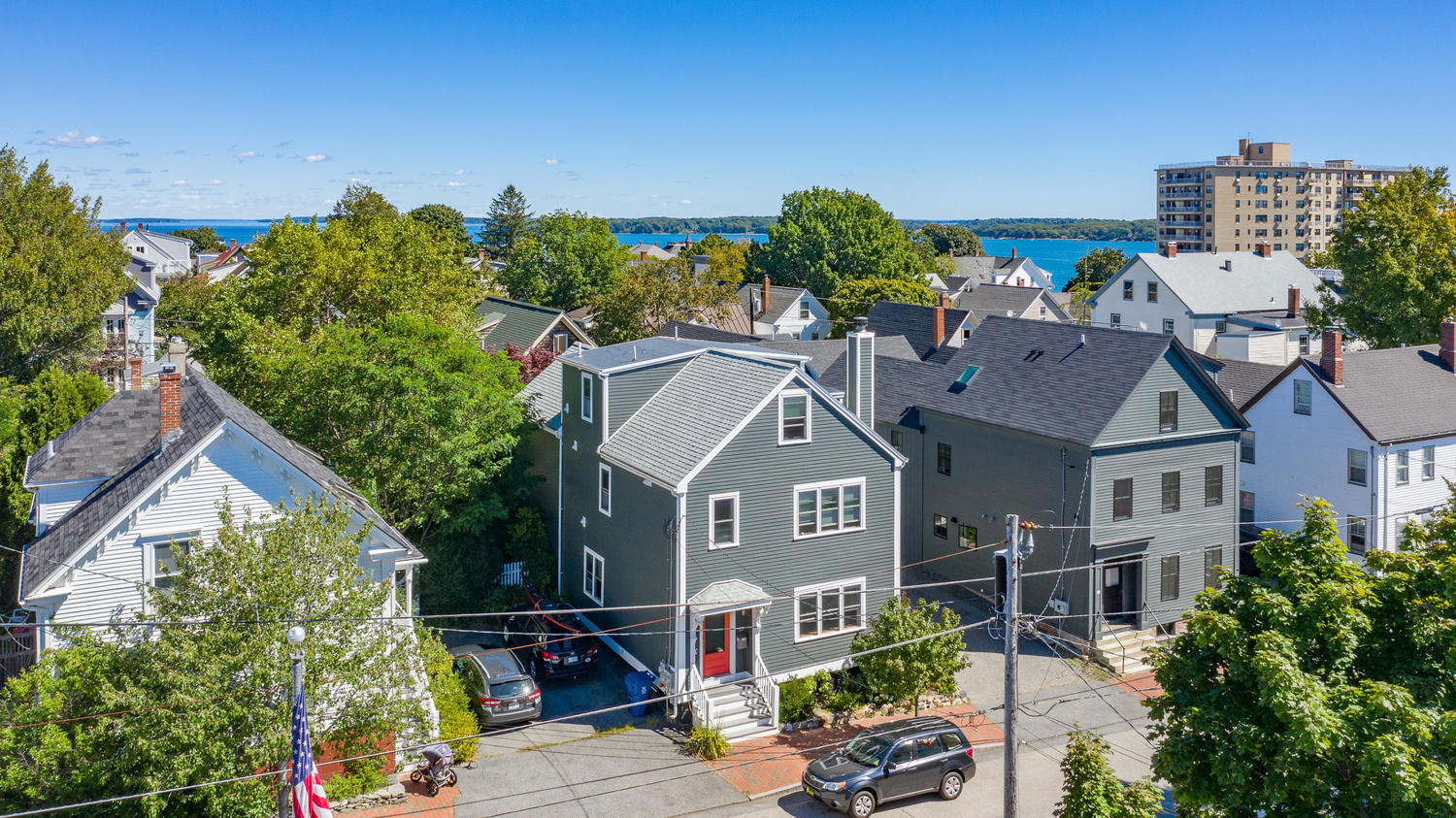
At first glance, Maine’s housing situation seems to be improving. New homes and apartments are being built at a faster pace than in past decades, and construction activity has picked up in many parts of the state. Yet despite this increase in supply, housing affordability and availability remain persistent challenges. The reason comes down to a quieter, long-term shift: the number of people living in each home.
Recent data indicate that Maine has been adding housing units at a rate faster than population growth. However, occupancy per unit has steadily declined over time. In 1970, the average household included about 2.5 people. Today, that figure is closer to 1.8. This change has major implications for the housing market, even if it doesn’t always show up in headline numbers.
Why Fewer People Per Home Matters
When households get smaller, housing demand rises — even without population growth. More people living alone, fewer multi-generational households, and an aging population all mean that the same number of residents requires more housing units than in the past.
In practical terms, this means that building more homes doesn’t automatically translate into relief for buyers or renters. Even as new units come online, demand remains elevated because people are spreading out across more households. That dynamic helps explain why prices and rents can stay high despite visible construction activity.
The Impact on Affordability
This shift complicates efforts to address affordability. Many new units are absorbed quickly, especially in higher-demand regions such as southern and coastal Maine. Meanwhile, smaller household sizes increase competition for entry-level homes, apartments, and smaller rental units — exactly the types of housing many working residents are seeking.
As a result, affordability challenges persist even in areas where inventory has grown. Buyers may see more listings, but prices often remain out of reach for first-time homeowners. Renters may have more choices, yet still face limited options within their budgets.
Regional Differences Still Apply
This trend doesn’t affect every part of Maine equally. Coastal and southern markets tend to feel the pressure most strongly, as demand from retirees, remote workers, and second-home buyers adds to the effects of shrinking household size. In central and northern regions, increased construction may bring more balance, but even there, smaller households continue to shape demand in subtle ways.
Understanding these regional differences is crucial. A rise in housing units in one area might lead to slower price growth, while in another it may simply prevent prices from rising even faster.
What This Means for the Future
Looking ahead, Maine’s housing challenge isn’t just about building more homes — it’s about building the right kinds of homes. Smaller household sizes point to growing demand for apartments, townhomes, condos, and modest single-family homes rather than large, high-end properties.
For policymakers and planners, this means aligning housing development with demographic realities. For builders and investors, it highlights the importance of focusing on unit size, price point, and location. And for buyers and renters, it underscores why competition can remain intense even when new construction is visible.
The Bottom Line
Maine is building more housing than it used to, but long-term demographic changes are reshaping demand. Fewer people per household means more homes are needed just to keep pace, making affordability and availability ongoing concerns. Addressing the issue will require not only more housing, but housing that matches how people actually live today.
Check out this article next