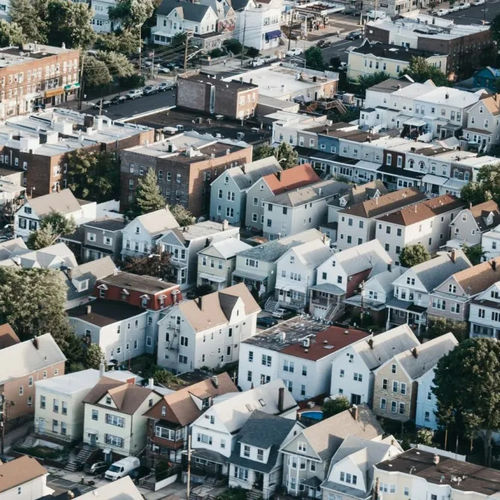
Even as home prices remain elevated across much of the country, Pittsburgh continues to stand out as a rare exception. Recent data shows the city’s median home listing price is still hovering near $250,000, placing it among the most affordable large metro areas in the U.S., per Planetizen.
At a time when many buyers feel priced out of major markets entirely, Pittsburgh’s affordability is becoming one of its strongest selling points — and it’s drawing attention from a growing range of buyers.
Affordability That Still Feels “Livable”
What makes Pittsburgh different isn’t just the price tag. Unlike some low-cost markets that lack amenities or job opportunities, Pittsburgh combines relative affordability with features buyers increasingly value.
Per Planetizen, the city offers a mix of walkable neighborhoods, established infrastructure, access to parks and riverfronts, cultural institutions, and a stable housing supply. That combination allows buyers to find homes that feel livable — not just affordable on paper.
In many higher-cost metros, a $250,000 budget barely covers a condo or a starter home far from the city core. In Pittsburgh, that same budget can still buy a single-family home in or near established neighborhoods, which is a major draw.
Who Pittsburgh Is Attracting Right Now
Because of this pricing gap, Pittsburgh continues to appeal to several buyer groups:
- First-time homebuyers who are struggling to break into markets where entry-level homes now exceed $400,000 or more
- Relocating workers, including remote and hybrid employees who want city amenities without coastal pricing
- Investors looking for stable rents, reasonable acquisition costs, and long-term appreciation potential
Per Planetizen, this steady inflow of interest has helped support demand even as national housing activity has slowed.
Affordability Doesn’t Mean Weak Demand
Importantly, Pittsburgh’s lower prices are not a sign of a struggling market. Instead, they reflect decades of relatively balanced growth, a large stock of existing housing, and slower — but steadier — appreciation compared to boom-and-bust metros.
This balance has helped Pittsburgh avoid extreme volatility. While some markets experienced rapid run-ups followed by sharp corrections, Pittsburgh’s pricing trajectory has remained more controlled. That stability continues to appeal to buyers who value predictability over speculation.
Why This Matters Heading Into 2026
Looking ahead, Pittsburgh’s affordability may become even more important. As mortgage rates remain higher than pre-pandemic norms, buyers are increasingly focused on monthly payments, not just sticker prices.
Lower home prices mean:
- Smaller loan balances
- More manageable payments
- Less risk for first-time buyers
- More flexibility for investors
As a result, markets like Pittsburgh may stay competitive even if national demand softens.
Key Takeaways
- Pittsburgh’s median listing price near $250,000 makes it one of the most affordable large U.S. metros, per Planetizen.
- The city combines affordability with walkability, amenities, and stable housing supply.
- Buyers priced out of expensive metros continue to look to Pittsburgh as a viable alternative.
- First-time buyers, relocating workers, and investors are among the most active groups.
- Relative affordability helps support demand and pricing stability heading into 2026.
Check out this article next