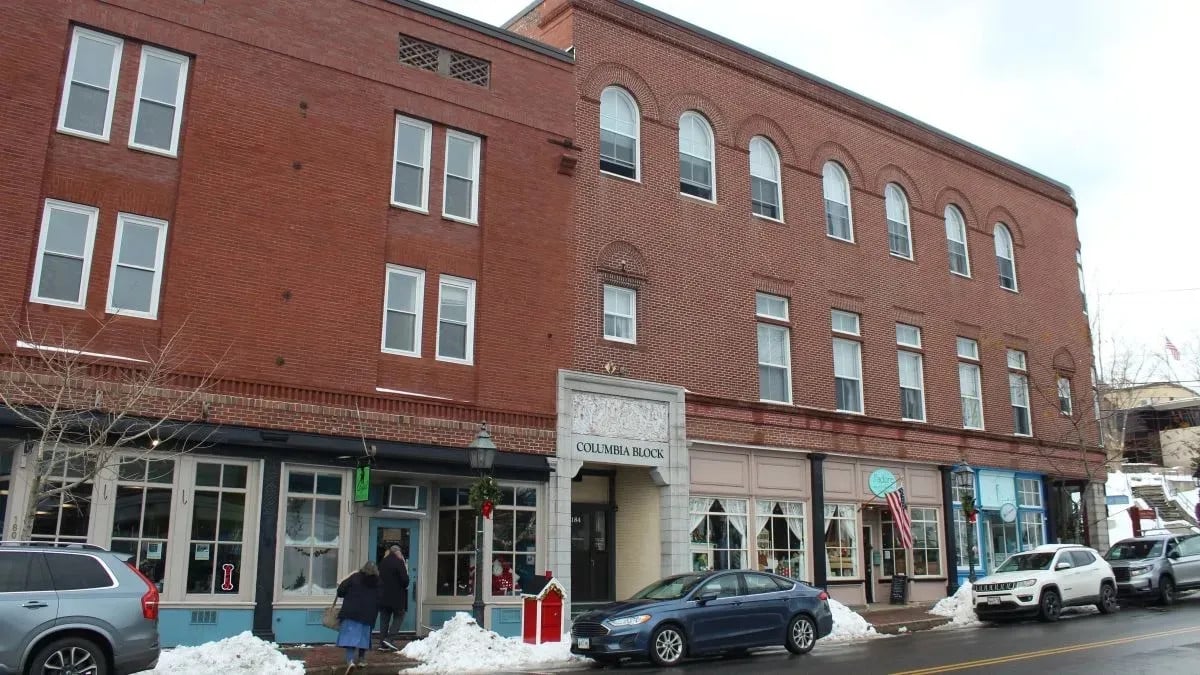
As Maine continues to grapple with housing shortages and affordability challenges, some of the most meaningful progress is happening at the local level. In Bath, housing authorities are playing a growing role in shaping how new homes get built — and how existing spaces are reimagined to meet modern needs.
Rather than waiting for large-scale solutions to come from outside the region, Bath’s approach centers on collaboration. Local housing officials are working closely with private developers, nonprofits, and community stakeholders to expand housing options in ways that make sense for the city and the broader Midcoast area.
A More Hands-On Role in Housing Development
Traditionally, housing authorities have focused on managing existing properties or administering assistance programs. In Bath, that role is expanding. Local agencies are now actively involved in guiding new development projects from early planning stages through completion.
This includes helping developers navigate zoning rules, identifying suitable sites, and coordinating funding strategies. By staying involved throughout the process, housing authorities can help ensure that new projects align with community needs — not just market demand.
Creative Reuse of Existing Buildings
One of the most notable strategies gaining traction in Bath is the reuse of existing buildings. Older commercial or underutilized properties are being evaluated for conversion into housing, allowing the city to add units without relying solely on new construction.
This approach offers several advantages. It can reduce development costs, preserve the character of the community, and speed up the timeline for delivering new homes. In a tight housing market, that efficiency matters.
Balancing Affordability and Availability
The goal isn’t just to build more housing — it’s to build the right kind of housing. Bath’s housing initiatives are focused on addressing gaps across the market, from workforce housing to options for seniors and lower-income households.
By collaborating with multiple partners, housing authorities can help structure projects that remain financially viable while still offering rents or prices that are accessible to local residents. That balance is increasingly difficult to achieve, especially in coastal and Midcoast communities where demand remains strong.
A Model for Other Maine Communities
Bath’s experience highlights a broader trend across Maine: local leadership matters. While statewide policies and funding play an important role, on-the-ground coordination often determines whether housing projects actually move forward.
As other communities face similar challenges, Bath’s collaborative model may serve as a blueprint — showing how housing authorities can move beyond administration and become active drivers of development.
Looking Ahead
Housing pressures in Maine aren’t likely to ease overnight. But efforts like those underway in Bath suggest progress is possible when local agencies take a proactive, partnership-driven approach.
By combining creative reuse, thoughtful planning, and close collaboration with developers and community groups, Bath is finding ways to expand housing options — and doing so in a way that reflects local priorities rather than one-size-fits-all solutions.
As 2026 approaches, initiatives like these may prove essential in shaping a more resilient and inclusive housing landscape across the state.
Check out this article next