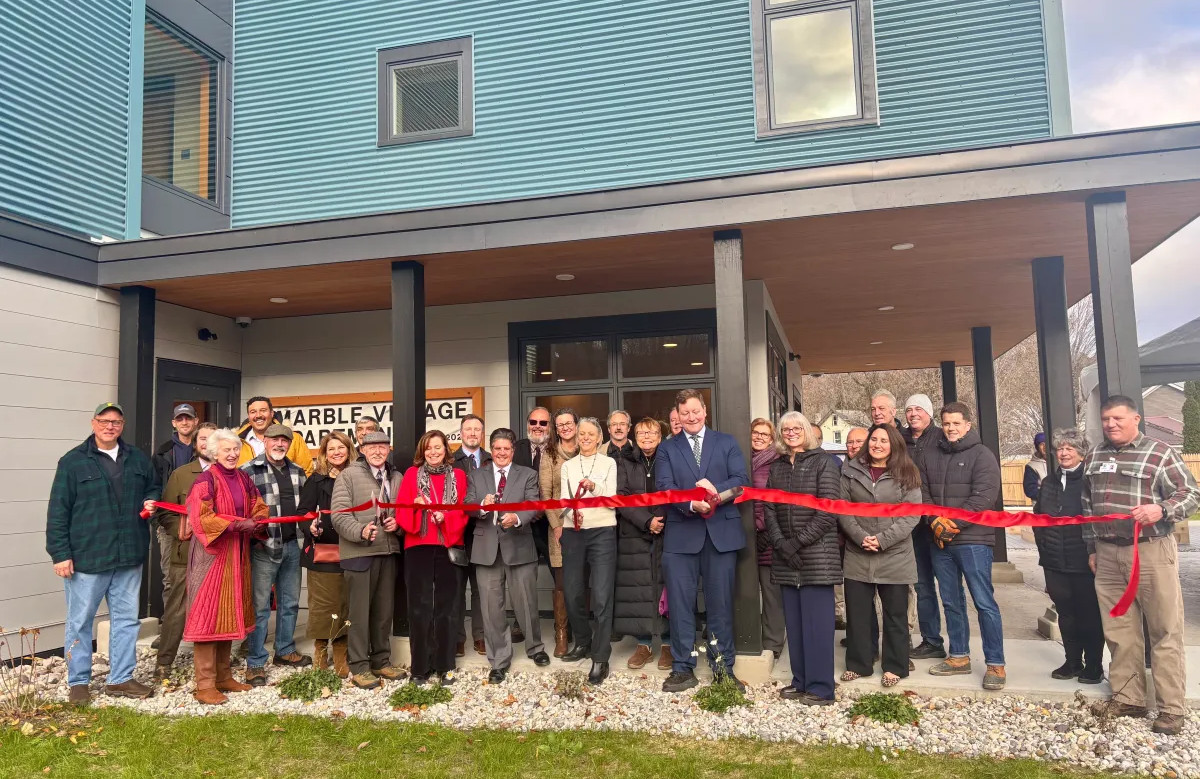
A small but meaningful housing milestone was reached in West Rutland this December, as the town celebrated the opening of Marble Village Apartments, a new affordable housing development located in the heart of downtown. Per WCAX / Vermont Public, the project transformed three previously vacant properties into 24 permanently affordable, energy-efficient rental homes.
While modest in scale, the development reflects a broader trend playing out across Vermont: targeted redevelopment projects that aim to increase housing supply, revitalize downtowns, and meet long-term affordability goals at the same time.
Turning Vacant Buildings Into Long-Term Housing
Rather than building outward, the Marble Village Apartments project focused on reuse and reinvestment. By converting underutilized properties into residential units, the development brings new life to West Rutland’s downtown core while avoiding sprawl.
Per WCAX / Vermont Public, the apartments are located within walking distance of key services and amenities, making them especially well-suited for residents who value accessibility and lower transportation costs. Importantly, the units are structured to remain permanently affordable, ensuring they continue to serve local housing needs well into the future.
Energy Efficiency as a Selling Point
Beyond affordability, the project places a strong emphasis on sustainability. Per WCAX / Vermont Public, the apartments feature energy-efficient systems, including solar panels and electric heat, which are expected to significantly reduce carbon emissions compared to older housing stock.
For tenants, this can translate into:
- lower utility costs
- more predictable monthly expenses
- modern, comfortable living spaces
For the broader community, it aligns with Vermont’s push toward cleaner energy and climate-resilient development.
Why This Matters for Realtors and Housing Professionals
Although 24 units won’t solve Vermont’s housing shortage, developments like Marble Village Apartments offer several important takeaways for real estate professionals.
1. New Affordable Inventory in Smaller Markets
Small towns like West Rutland are seeing incremental gains in housing supply, not just larger cities. This creates opportunities for agents who work in rural or secondary markets where inventory has been especially tight.
2. Growing Demand for Energy-Efficient Housing
Energy efficiency is no longer a niche feature. As utility costs rise, renters and buyers increasingly factor energy performance into their housing decisions. Projects like this signal what future tenants may come to expect — even in affordable housing.
3. Continued Role of Public-Private Partnerships
Per WCAX / Vermont Public, Marble Village Apartments reflects ongoing collaboration between public entities and development partners. For real estate pros, this means many future listings — especially affordable or mixed-income units — may come through similar funding and partnership structures.
A Signal of What’s Ahead in 2026
As Vermont moves into 2026, housing growth is likely to remain incremental rather than explosive, particularly in smaller communities. Projects like Marble Village Apartments demonstrate how progress is being made: one redevelopment at a time, with affordability and sustainability at the center.
For agents, staying aware of these developments can help identify emerging rental inventory, understand shifting tenant expectations, and better explain local market dynamics to clients.
Bottom Line
The opening of Marble Village Apartments adds 24 permanently affordable, energy-efficient homes to West Rutland’s downtown — a meaningful boost for a small community. Per WCAX / Vermont Public, the project highlights how adaptive reuse, sustainability, and long-term affordability are shaping Vermont’s housing future.
Check out this article next