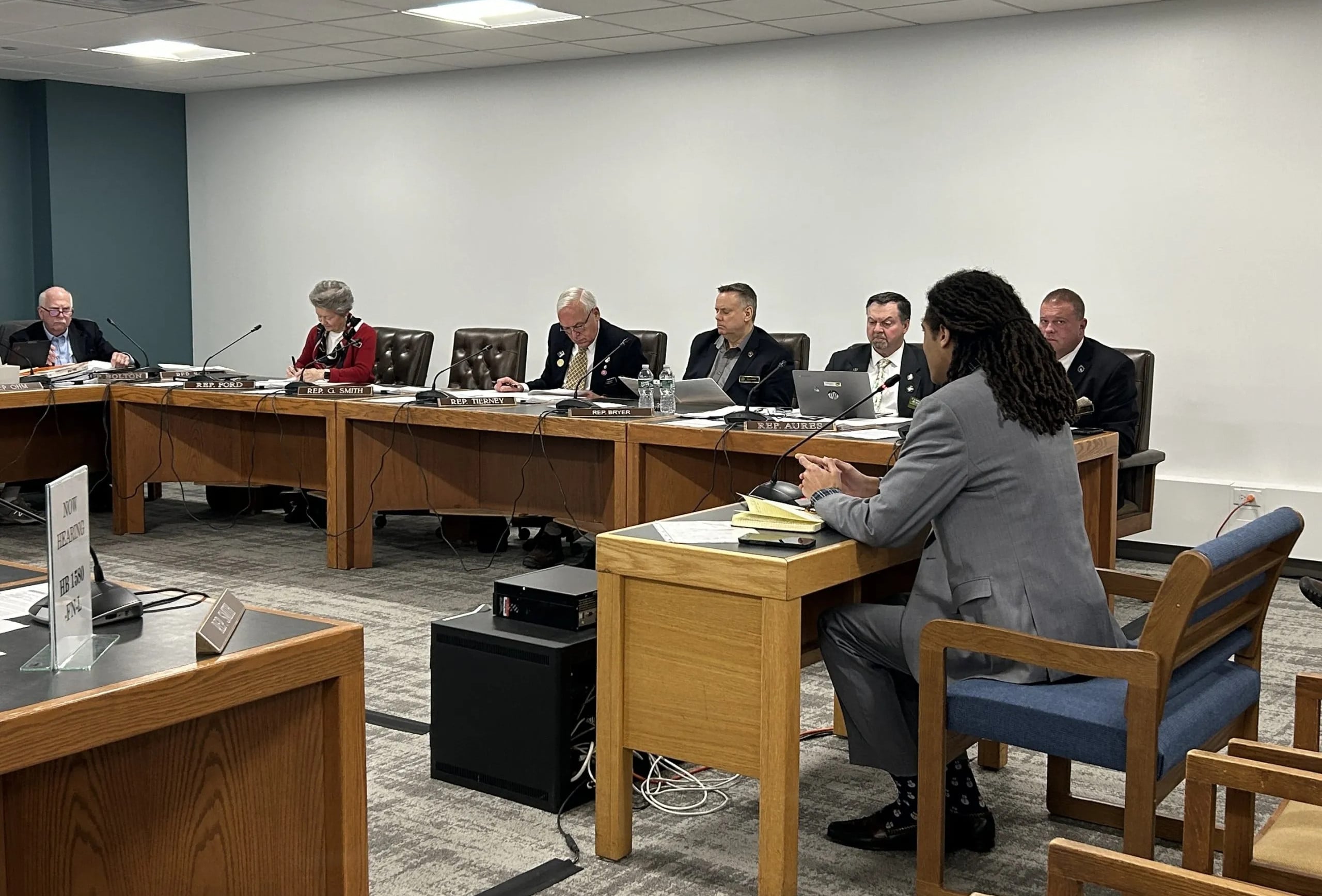
As the 2026 legislative session gets underway in Concord, several housing-related proposals affecting short-term rentals (STRs), second homes, and vacant properties are drawing attention. Lawmakers are increasingly focused on how vacation properties, Airbnb/Vrbo units, and second homes intersect with the state’s broader housing challenges — particularly limited inventory and affordability.
Here’s the latest on the key bills and discussions:
1. HB 1707 — Unoccupied Housing / Supplemental Residence Tax
One of the most talked-about bills in the House Ways and Means Committee is HB 1707, which would create a new tax on unoccupied and short-term rental properties.
Under this proposal:
- Properties that sit vacant for six months or more annually or that operate as short-term rentals over half the year would pay what’s called a Supplemental Residence Tax (SRT).
- In practical terms, owners of these homes could be taxed an amount equal to all property taxes, fees, and interest owed to the town or city where the property sits if it meets those occupancy criteria.
📌 Why this matters:
Lawmakers backing the bill argue it would encourage idle or speculative properties to enter the traditional housing supply, making more homes available for year-round residents. It’s also pitched as a way to support local housing needs without broad property tax increases for long-term residents.
📌 Impacts to watch:
- Owners of second homes and STRs in popular tourist areas — especially the Lakes Region, Seacoast, ski country, and resort towns — could face a significantly higher tax burden.
- If you’re considering buying a property primarily to rent short-term or leave vacant part of the year, this bill could change the long-term economics.
- There’s a transfer tax exemption element in the bill aimed at helping lower- and moderate-income buyers, potentially tying incentives to housing affordability goals.
2. Debate Over Taxing Second Homes and Vacation Rentals
Alongside HB 1707, state lawmakers are also discussing proposals specifically aimed at second homes and seasonal rentals, with a focus on revising tax policy:
- One idea would impose a 0.75% additional tax on second homes valued at $500,000 or more — a move supporters say would make absentee homeowners contribute more to the towns where they own property.
- Another would create a “supplemental residence tax” requiring owners of unoccupied or short-term rental properties to pay the equivalent of their full property tax bill to the state if the house is not used as a primary residence.
Supporters say this would generate revenue that could be redirected back to local communities, helping with infrastructure, schools, and services.
Opponents — including some real estate professionals and rental hosts — argue it amounts to a penalty on property owners who already pay property taxes and maintenance costs, especially in markets where income from STRs can be necessary to cover expenses.
3. Legal and Local Zoning Authority Remains an Underpinning
While not a 2026 bill itself, a related context is New Hampshire’s legal landscape around short-term rentals:
- The New Hampshire Supreme Court has upheld the right of towns to enforce local ordinances regarding short-term rentals — including rules requiring owner occupancy in some cases — reaffirming local zoning authority.
- In places like Wolfeboro, local planning boards have already moved draft short-term rental regulations to warrant articles, reflecting citizen concern about how STRs affect neighborhoods, safety, and infrastructure.
These local ordinances show that even if the Legislature doesn’t pass statewide STR regulation in 2026, municipalities could still regulate where and how short-term rentals operate, especially when it comes to health, safety, and quality-of-life concerns.
Why STR Legislation Matters in 2026
Here are some of the main reasons these bills are getting serious attention now:
1. Pressure on Housing Supply
New Hampshire has struggled with a limited housing stock, particularly affordable homes that locals can live in full-time. Some policymakers see short-term rentals and vacant second homes as part of that scarcity picture, especially in high-demand areas.
2. Revenue and Local Services
By targeting underused properties, legislators hope to create a new revenue stream that can support schools, fire services, and roads without raising taxes on residents who live year-round in the community.
3. Incentive Structures
Bills like HB 1707 are designed not only to tax unoccupied properties but also to encourage putting them into long-term housing or rentals, sometimes by pairing new taxes with exemptions or incentives for buyers who meet certain income and ownership criteria.
Who Will Be Most Affected?
Vacation Homeowners
Owners of seasonal homes — especially those in regions like the Lakes Region, Seacoast, and mountain resort areas — could see their tax bills rise if these proposals pass. Properties that sit empty or are used predominantly as short-term rentals could be most affected.
Short-Term Rental Operators
Hosts using platforms like Airbnb or Vrbo might face:
- Higher taxes if a property is used for rentals for more than six months a year
- New reporting or compliance requirements if transfer tax exemptions are tied to occupancy changes
Communities & Municipalities
Local governments could benefit from additional revenue streams, but they may also need to navigate complex implementation and enforcement issues.
Buyers & Investors
People considering purchasing investment properties, second homes, or STR-focused real estate should watch these bills closely, as proposed taxes could materially affect return estimates.
Where Things Stand
As of early 2026:
- HB 1707 — the broadly discussed proposal targeting unoccupied/STR properties with new taxes — is under committee review but hasn’t been enacted yet.
- Other proposals for taxing second homes or supplemental residence taxes have been debated and could be sent back for subcommittee review.
- Municipal authority and zoning remain key tools for towns that want to regulate short-term rentals at the local level.
These developments are part of a broader housing policy push in Concord that also includes zoning reform, affordable housing incentives, and debates over property tax structures — all of which will continue shaping NH’s housing market in 2026 and beyond.
Want to Learn More or Make Your Voice Heard?
If you own a home, operate a short-term rental, invest in New Hampshire real estate, or simply care about housing availability in your community, now is the time to stay informed and speak up. Several of these proposed bills are still under review, and public awareness and engagement can play a meaningful role in how they move forward. To learn more about the legislation, understand how it could affect you directly, and find out how to make your voice heard, visit or click here:
👉 https://nhrepartners.com/urgent-action-required-nh-short-term-rental-bills-that-will-impact-you/
Being informed — and engaged — is one of the most effective ways to help shape housing policy decisions that will impact New Hampshire residents for years to come.