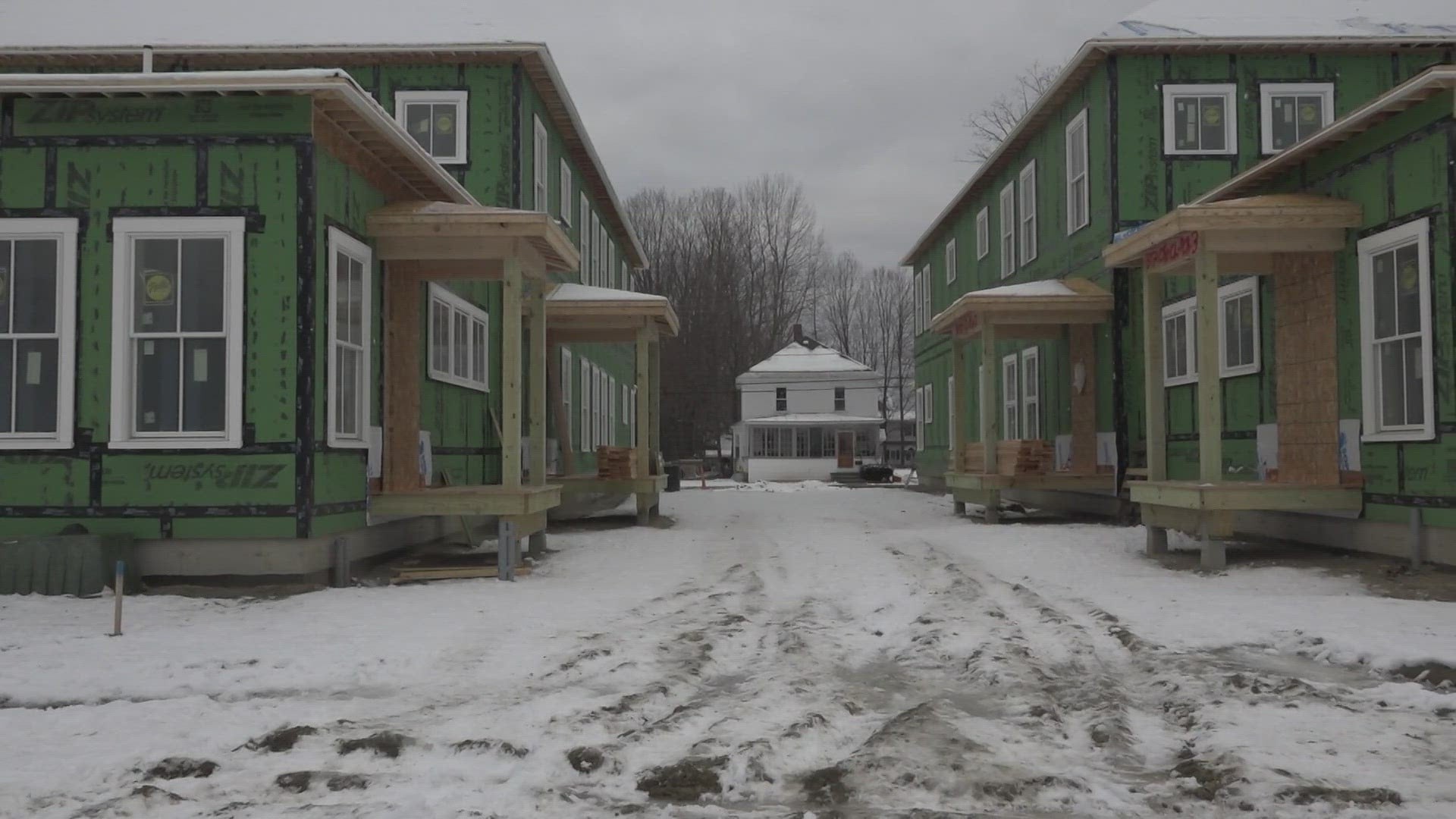
As Maine’s housing shortage remains one of the state’s most persistent issues, rural areas often fall behind in new development. However, in early 2026, a significant change is emerging: the Northern Forest Center — a nonprofit initially not focused on housing — is now actively constructing and refurbishing homes in rural Maine communities as part of broader efforts to revitalize the area.
A Different Kind of Housing Initiative
Rather than promoting large subdivisions or tract housing, as you might see near urban centers, the Northern Forest Center’s approach is deeply rooted in addressing real community needs. In towns like Millinocket, the organization has renovated existing buildings to create apartments that are affordable for locals, especially those who struggle to find housing at a price that aligns with typical rural wages.
For example, a recent project in downtown Millinocket has transformed a two-story building into a mixed-use space with five new apartments and commercial space—a meaningful addition to the local housing stock and the town's economic life.
Why This Matters for Rural Maine
While Maine’s population is concentrated in areas like Greater Portland and along the southern and coastal stretch, many inland and northern communities have faced long‑term decline as industries like forestry and manufacturing have contracted. Without places for people to live, rural towns can struggle to retain essential workers like teachers, health care staff, and municipal employees.
That’s where the Northern Forest Center’s mission intersects with housing: it sees homes not just as standalone buildings, but as foundational pieces of a thriving local economy and culture. As one community leader explained, without housing that fits local incomes, there may be no one left to staff schools, run hospitals, or volunteer for local boards — all crucial elements of community life.
A Flexible, Community‑Centered Model
The Center’s work usually involves renovating existing structures rather than building entirely new ones, which can help stretch limited funding and preserve the character of small towns. In Millinocket, the apartments are being developed alongside new storefronts and public spaces that add energy to the downtown area.
And while the organization has completed a dozen or more housing units in Maine so far, it doesn’t see itself as a traditional housing developer. Instead, housing is treated as a tool for community stabilization and revitalization — part of a broader effort that includes downtown business support, forest conservation, and outdoor recreation initiatives across rural communities.
Responding to a Broader Housing Gap
Maine’s housing market overall has been under pressure for years, with a significant shortage of units statewide. The Northern Forest Center’s activities are one of many efforts aimed at closing that gap, particularly in places where market forces alone have not generated enough homes for residents.
Although this work remains modest in scale compared with the overall housing need, it illustrates how creative partnerships and mission‑driven organizations can make a real difference in areas that are off the usual development path. By focusing on the needs of teachers, nurses, small business owners, and other essential community members, these projects are designed to help rural towns stay vibrant and viable for residents of all incomes.
The Northern Forest Center’s strategy in Maine reflects a broader trend in rural development: housing isn’t just a product, it’s a foundation for community health and economic opportunity. As more projects reach completion and local leaders explore ways to integrate housing into economic revitalization plans, communities like Millinocket may see sustained growth — not just in population, but in the social and economic fabric that keeps a town thriving.