


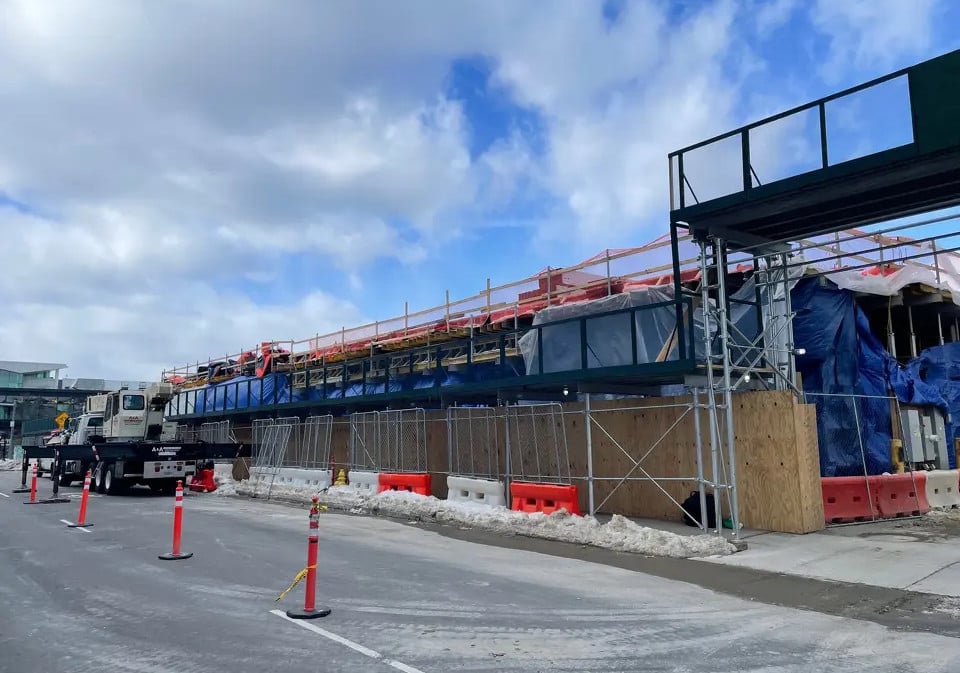
Stamford, Connecticut — long known as a regional economic hub in the I-95 corridor and a key stop on the New Haven Line — has entered a new phase of growth. As of early 2026, the city’s housing boom shows no signs of slowing, with multiple residential projects, mixed-use developments, and modern apartment communities underway or in planning stages.
Per The Stamford Advocate, Stamford continues to attract strong development interest, blending housing with retail, office, and transit access in ways that are reshaping the city’s landscape and community. This building surge reflects both market demand and broader regional growth patterns, making Stamford one of Connecticut’s most dynamic housing markets right now.
Why Stamford — A High-Demand Housing Market
To understand Stamford’s housing boom, you have to start with location and demand fundamentals.
1. Strong Job Market and Commuter Access
Stamford’s location — at the southwestern edge of Connecticut, just over an hour from New York City on the Metro-North Railroad (New Haven Line) — has made it a magnet for professionals who want access to major job centers but prefer a smaller-city pace of life. Corporate offices, legal and financial firms, and healthcare employers put Stamford near the top of regional employment hubs.
2. Transit-Oriented Demand
The city’s transit infrastructure gives it a major edge:
- Stamford Station is one of the busiest commuter rail hubs in the region.
- Frequent rail service makes Stamford viable for NYC commuters, Connecticut workers, and those looking for a blend of urban convenience and residential comfort.
Transit accessibility — particularly along the New Haven Line — continues to fuel interest in housing that’s walkable and near public transit stops.
3. Limited Supply Puts Upward Pressure on Demand
Like many established urban markets in the U.S., Stamford’s historic housing stock has struggled to keep pace with demand over the years. Rising prices in coastal metros and sustained interest from newcomers (especially in the post-pandemic housing environment) have intensified pressure on Stamford’s supply.
What’s Currently Underway: Stamford’s Major Housing Projects
From sprawling mixed-use developments to high-rise apartment buildings, the city’s housing landscape has changed dramatically over the past few years — and 2026 will be a pivotal year for many of these projects.
Mixed-Use Corridors and Downtown Growth
A suite of mixed-use developments is underway, connecting residential units with retail, dining, office, and entertainment spaces. These projects are redefining downtown Stamford and adjacent walkable neighborhoods, giving residents the ability to live, work, and play within a short radius.
Mixed-use developments are especially attractive to younger professionals and empty nesters looking for vibrant, amenity-rich urban communities.
New Apartment Buildings Across the City
Numerous apartment complexes are in construction or planning stages, offering a mix of market-rate and, in some cases, income-restricted units. While Stamford does not yet match the scale of Boston or NYC in terms of units under construction, its market activity far exceeds most other Connecticut cities.
Some projects include:
- Mid-rise residential buildings with retail on the ground floors
- Transit-oriented apartment communities near Stamford Station
- Adaptive reuse developments are converting underused office or industrial spaces into housing
These projects together add hundreds of new units to the city’s housing inventory.
Economic and Community Impacts of the Stamford Housing Boom
This local construction surge doesn’t just add rooftops — it reshapes the economic and social dynamics of Stamford.
1. Increased Housing Supply in a High-Demand Area
Stamford’s housing pipeline directly responds to the city’s strong demand profile. More supply means:
- More options for renters and buyers, helping mitigate tight inventory conditions.
- The potential for price moderation in segments where demand has outstripped supply for years.
However, supply growth still has to catch up with demand — and that’s where thoughtful policy and development strategy matter.
2. Boost to Mixed-Use Environments
The integration of housing with retail, leisure, and office space is one of Stamford’s standout trends. Mixed-use developments elevate quality-of-life by:
- Creating walkable neighborhoods where daily needs are a short stroll away
- Supporting local businesses with built-in foot traffic
- Encouraging residents to spend more locally, keeping tax dollars in the community
This trend aligns with broader national preferences for “live-work-play” neighborhoods, which have become especially popular with younger generations and professionals.
3. Transit-Oriented Development Encourages Sustainable Living
Stamford’s housing boom is tightly linked to its transit infrastructure:
- Proximity to commuter rail expands the labor pool for employers
- Reduces reliance on car travel, aligning with sustainability goals
- Makes housing near train stations particularly lucrative
Transit-oriented lifestyles also support a healthy rental market, as many prospective tenants prefer layouts with easy access to transit and city amenities.
4. Potential Rise in Property Values and Tax Revenue
Adding housing stock — particularly in desirable corridors — often elevates property values over time. For Stamford:
- Increased land and building values can enhance tax revenues
- More development dollars circulate in the local economy through hiring, services, and ancillary spending
- Higher tax revenue can support public infrastructure, parks, and services
Yet it’s worth noting that rapid growth must be managed so that property tax increases don’t price residents out or strain community services.
5. Diversity in Housing Options — From Rentals to Ownership
While many new units are apartments, Stamford’s development scene also includes:
- Luxury rentals with high-end amenities
- Mid-market apartments for young professionals and families
- Potential for condo conversions or for-sale units in select projects
This variety helps widen the appeal of Stamford’s market, giving first-time buyers and renters alike more opportunities.
How This Housing Boom Compares to Broader Connecticut Trends
Stamford’s development activity stands out when compared to many other Connecticut markets:
🔹 Hartford Region
While Hartford’s metro has been named a top national market (per Zillow’s 2026 forecast), its housing pipeline still tends toward redevelopment and infill compared to Stamford’s more aggressive new construction.
🔹 Fairfield County
Stamford’s growth feeds into wider Fairfield County trends — the region has been highlighted as one of the “hottest markets” in the U.S., with buyers drawn from New York and beyond. Stamford plays a central role in that momentum.
🔹 Suburban and Small Town Growth
Other Connecticut towns like Norwalk, New Haven, and West Hartford are also adding
Challenges and Considerations
While Stamford’s housing boom brings benefits, there are challenges to monitor:
Infrastructure Strain
Rapid development can:
- Put pressure on roads, utilities, and public services
- Require upgrades to transportation networks, parking, and flood/emergency planning
Planning — and coordinating public investments with private development — is key.
Affordability Pressures
As property values rise, affordability concerns can grow too. Ensuring a mix of market-rate and attainable housing options will help Stamford remain inclusive and sustainable.
Neighborhood Character
Balancing new construction with the city’s historic feel and community identity is crucial. Thoughtful design and community engagement help maintain local character while accommodating growth.
What to Expect in 2026 and Beyond
As we move deeper into 2026, Stamford’s housing boom shows signs of:
- Continued interest from both developers and buyers
- Increased emphasis on mixed-use communities
- More transit-oriented projects near rail hubs
- Sustainable design and walkable neighborhood priorities
Realtors and investors will want to keep an eye on:
- Project completion timelines
- New permits and rezoning proposals
- Shifts in rental vs. ownership demand
- School and amenity impacts on neighborhood desirability
Stamford’s market is maturing into a real estate ecosystem that blends residential, commercial, and lifestyle priorities.