President Trump’s latest housing policy is one of his boldest efforts yet to address America’s housing affordability crisis. Last week, he signed an executive order aimed at limiting large institutional investors — the big Wall Street firms that have spent years buying up single-family homes and renting them out — in hopes of making it easier for everyday buyers to compete.
On the surface, it’s a simple pitch: homes should belong to families, not corporations. Trump made that point repeatedly when unveiling the policy and in speeches like the one he gave this month at the World Economic Forum in Davos.
But dig a little deeper, and the policy has an important exception that could reshape parts of the housing market in ways even its skeptics didn’t expect.
The Policy Doesn’t Just Target Institutional Buyers — It Favors Certain Builders
When people talk about Trump’s plan “banning” Wall Street from buying homes, that’s a bit of shorthand. The executive order doesn’t force current investors to sell their homes. It instead directs federal agencies to stop supporting future purchases by large institutional buyers, like private‑equity firms or real‑estate investment trusts (REITs), through federal backing, loans, or guarantees.
Importantly, the order carves out a specific exemption for build‑to‑rent properties — homes that are planned, permitted, financed, and constructed as rental communities* from the start.
This isn’t a tiny technicality. It means that while big investors could find it harder to buy existing homes on the open market, certain developers who specialize in building rental communities from scratch could actually benefit.
Start‑to‑Rent Developers: The Unexpected Winners
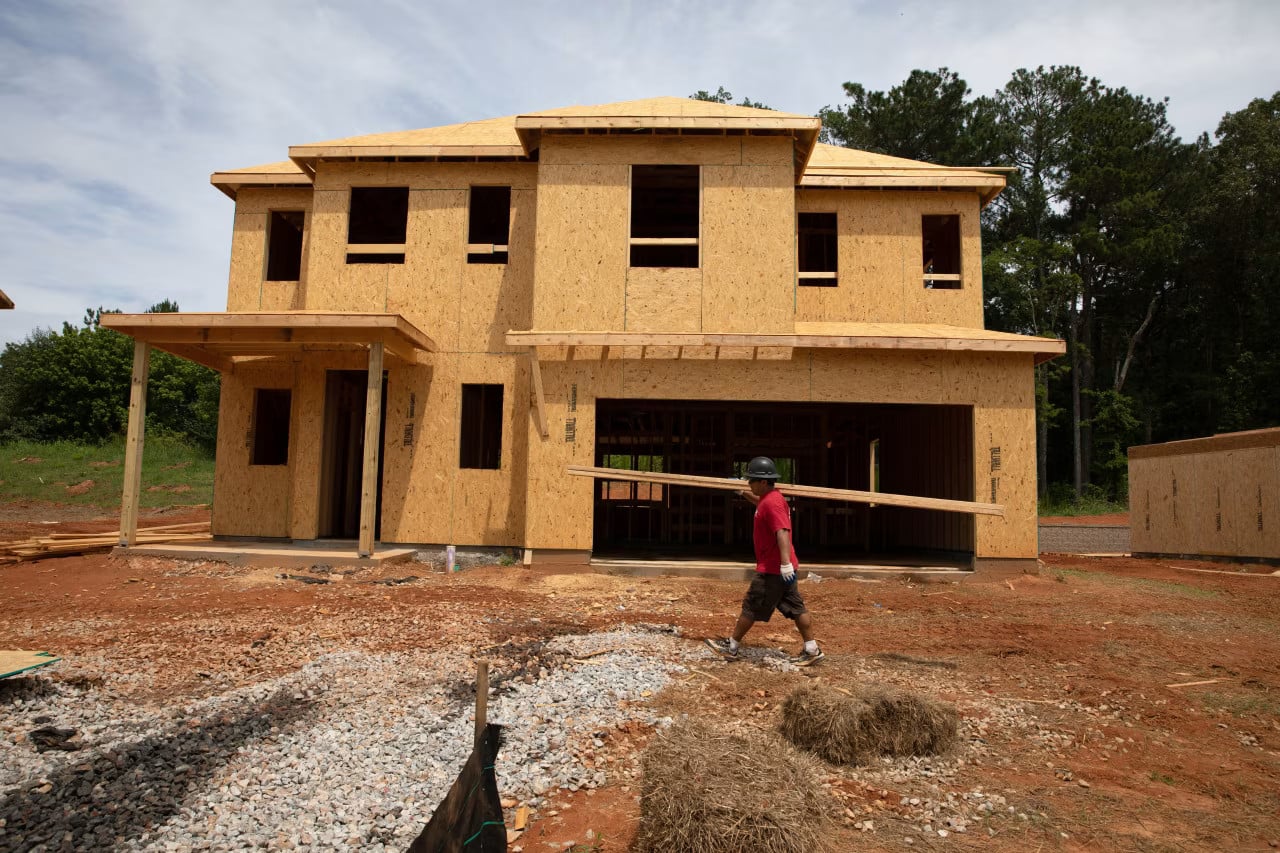
Over the last decade, a new segment of the housing industry has taken shape: build‑to‑rent. Instead of buying up resale homes, these developers buy land, get approvals, and build entire clusters of single‑family houses intended to be rented out — often with multiple homes in a single neighborhood.
Under Trump’s executive order, these purpose‑built rental communities are not subject to the same restrictions that now target big investors buying existing homes. That means:
- Less competition from Wall Street for new homes — the policy targets purchases of existing houses, not new construction.
- A clearer runway for build‑to‑rent projects — without institutional firms swooping into the resale market, developers building new rental homes may see stronger demand.
- Potential capital inflows into build‑to‑rent — investors who used to chase resale homes might shift to financing build‑to‑rent projects instead.
For companies that already focus on build‑to‑rent — including some that were already active before the crackdown — the policy effectively limits competition in one part of the market while leaving their niche untouched. In that sense, Trump’s order doesn’t just restrict big buyers; it reshapes where investment flows can go.
What This Means for the Housing Market
The administration’s broader goal is clear: curb the influence of massive institutional buyers that critics say have soaked up available housing stock and made it harder for first‑time buyers to compete. In some markets, data show that investors bought a significant share of single‑family homes in recent years.
But economists and housing experts have been quick to point out that institutional buyers represent a small overall slice of the national market — even though they’re much more visible in certain cities. This has led to debate about how much impact the crackdown will actually have on prices versus supply constraints and zoning restrictions.
At the same time, because build‑to‑rent is exempt, it could see renewed momentum. The segment has been growing for years — with hundreds of thousands of homes built under this model since the early 2010s — and now some industry watchers think that growth could accelerate as firms pivot from buying existing homes to building new ones.
Unanswered Questions and Market Skepticism
There’s still plenty of uncertainty. Legal definitions matter: what exactly counts as an institutional investor, and how strictly will the exemption apply? Agencies have 60 days to issue guidance on the details.
Some analysts argue that because the policy doesn’t force large investors to divest or sell existing homes, its immediate impact will be limited. Others point out that supply — not investor behavior — is the real root of rising prices, driven by underbuilding, zoning constraints, and construction costs.