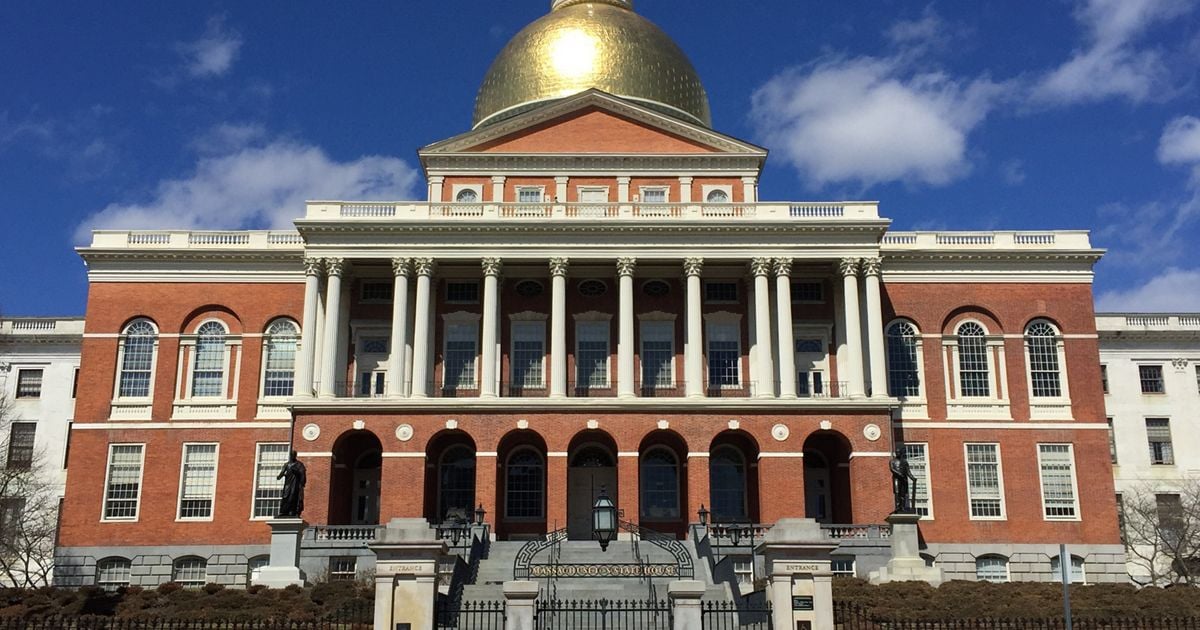
As Massachusetts heads into 2026, policy and politics are converging in ways that will shape the Commonwealth’s economic, social, and real estate landscape for years to come. A recently released Massachusetts 2026 Policy Outlook outlines the forces that will drive state decision‑making this year — from elections and affordability challenges to housing, transportation, energy, and fiscal pressures. Per (JD Supra), this year’s environment will test lawmakers’ ability to balance competing priorities under tight fiscal conditions.
This outlook matters because what happens on Beacon Hill rarely stays there. Policies debated this year are likely to influence property development, housing affordability, local tax burdens, infrastructure investment, and even what kinds of homes and neighborhoods shape Massachusetts into the next decade.
Election Year Dynamics: A Central Theme of 2026
2026 is not just another legislative session — it’s a major election year in Massachusetts.
According to the policy outlook, all statewide offices and legislative seats are up for election, and a record number of ballot initiatives could head to voters over the next 12 months. Per (JD Supra), this environment will push lawmakers into action as they seek policy “wins” to tout before September primaries, while others focus on fundraising and securing their seats.
Key races include:
- Governor’s race: Governor Maura Healey and Lieutenant Governor Kim Driscoll are running for re‑election. Republican challengers include Mike Kennealy, Brian Shortsleeve, and Michael Minogue.
- Attorney General: Andrea Joy Campbell is seeking re‑election, with consumer protection and affordability framed as core campaign themes.
- Other statewide offices: Long‑time officials like Secretary of the Commonwealth Bill Galvin and Treasurer Deborah Goldberg will also be on ballots, each facing policy debates on matters from election reform to economic stability.
This makes 2026 not just a year of policy but of political positioning, which tends to accelerate debates on issues with broad public impact — including housing, taxes, and transportation.
Housing Remains a Top Priority — Policy & Investment
Housing continues to dominate the Massachusetts policy agenda, and for good reason.
Massachusetts has long faced persistent affordability challenges, with home prices rising faster than incomes, especially near Boston and emerging commuter hubs. Addressing this imbalance remains a central theme for 2026.
Per the policy outlook, housing strategy revolves around several pillars:
- Boosting production of all types of housing
- Revitalizing underutilized land into residential units
- Offering down‑payment assistance and affordability supports
- Building on previous reforms such as the Affordable Homes Act and the 2025 ban on renter‑paid broker fees
One strategic underpinning of this agenda is the state’s $16.6 billion Capital Investment Plan covering 2026–2030. This multi‑year strategy includes targeted funding for housing development, municipal infrastructure, and community revitalization, all to stabilize long‑term affordability and expand opportunity across regions.
Why this matters for real estate:
- New units and density: Policy tools aimed at facilitating more and faster housing production can influence inventory and pricing dynamics — especially in high‑demand areas like Greater Boston.
- Mixed‑income communities: Affordable, workforce, and market‑rate housing initiatives can diversify neighborhood profiles.
- Investor sentiment: Clear state commitment to housing investment may tilt developer interest toward Massachusetts over other high‑cost states.
Transportation: Historic Investment for Growth
Housing policy cannot operate in a silo — it is deeply linked to transportation infrastructure.
The 2026 Outlook calls out transportation as a major strategic area, especially through a planned $8 billion investment to modernize roads, bridges, transit networks, and electric vehicle charging infrastructure over the next decade. Per (JD Supra), this focus reflects not just mobility goals but economic competitiveness and regional equity.
For real estate, this carries downstream effects:
- Improved transit and road access can enhance property values in connected corridors.
- Investments in commuter rail and bus services help shape residential demand patterns — especially in suburban and exurban markets.
- Transit‑oriented development becomes more feasible as frequency, reliability, and network coverage expand.
Energy Policy: Balancing Affordability and Ambition
Energy is another arena where 2026 policy choices will have long‑lasting impact.
Massachusetts faces a balancing act: advancing climate goals while keeping energy affordable and reliable. The policy outlook describes ongoing legislative work to revise the state’s Energy Affordability, Independence & Innovation Act. Early versions scaled back some climate provisions to emphasize cost relief, reflecting constituent concerns over winter energy bills and living costs. Per (JD Supra), this bill continues to evolve as lawmakers seek a hybrid path forward that maintains long‑term emissions targets without placing undue burden on residents.
This matters to homeowners and real estate players because:
- Energy costs are a component of housing affordability and household budgets.
- Building standards — especially for new housing — may shift based on state energy requirements.
- Infrastructure for renewables, grid modernization, and electrification investments can influence neighborhood appeal and long‑term utility costs.
Energy policy intersects with housing, climate resilience, and municipal planning in ways that play out over decades, not just policy cycles.
Health Care & Education: Supporting the Social Fabric
The policy outlook also highlights major non‑housing priorities that indirectly influence real estate markets.
Health Care
Massachusetts is advancing discussions on primary care reform, mental health access expansion, and systems to mitigate medical debt. Efforts to stabilize health care costs and workforce challenges are likely to shape workforce mobility and household decision‑making — factors that ripple into housing demand. Per (JD Supra).
Education
Education remains a headline issue — with initiatives focused on universal pre‑K in Gateway Cities, statewide graduation standards, and early college participation goals. Quality of education is a well‑documented driver of residential location decisions, meaning policy shifts in this area can affect school‑centric housing demand. Per (JD Supra).
Fiscal Health: Tight Budgets, Tough Choices
Perhaps the most pervasive theme in the 2026 Outlook is fiscal stress.
Even as lawmakers and the executive branch aim to advance broad policy goals, they are doing so amid sluggish tax revenue growth and expanding demands on state resources. According to the outlook, tax revenues are projected to grow only slightly above inflation, and several ballot initiatives seek to constrain state revenue collections or reduce the personal income tax rate. Per (JD Supra).
This has real implications for housing and real estate:
- Funding for new initiatives — including housing production — may be constrained unless balanced elsewhere.
- Rising property tax concerns, particularly in cities like Boston where structural imbalances have already contributed to significant increases, may affect buyer and homeowner sentiment.
- Municipal aid and community funding priorities will be a central focus for legislators responding to constituent pressure for tangible relief.
The tight fiscal environment puts pressure on policymakers to prioritize efficiently and mitigate impacts on essential services while maintaining long‑term investments.
Ballot Initiatives: Citizen‑Driven Change
The policy outlook also sheds light on an unusually crowded landscape of citizen‑led initiatives that may end up on the 2026 ballot. These include proposals to:
- Cap rent increases
- Allow single‑family homes on smaller lots near infrastructure
- Reform state primary systems
- Adjust personal income tax rates
- Enhance public records access
Per (JD Supra).
For real estate professionals, tenant advocates, and developers alike, this ballot mix is notable because housing‑related measures — especially those around rent or zoning — can directly impact market behavior, investment decisions, and regulatory frameworks outside of the legislative process.
What This Outlook Means for Real Estate in 2026
Taken together, the policy priorities outlined for Massachusetts in 2026 reveal a state striving to balance growth and affordability in the face of limited fiscal headroom and election‑year pressures. For real estate markets, the implications are clear:
- Housing production and affordability remain central — and policy support could shape inventory and pricing trends over the next decade.
- Transportation investments will continue to influence where demand increases and which neighborhoods become more attractive.
- Energy and climate policy will increasingly intersect with building standards, operating costs, and long‑term value.
- Ballot initiatives may introduce new market dynamics beyond traditional legislative lawmaking.
- Fiscal constraints mean that prioritizing efficient and high‑impact investments will be essential for maintaining momentum.