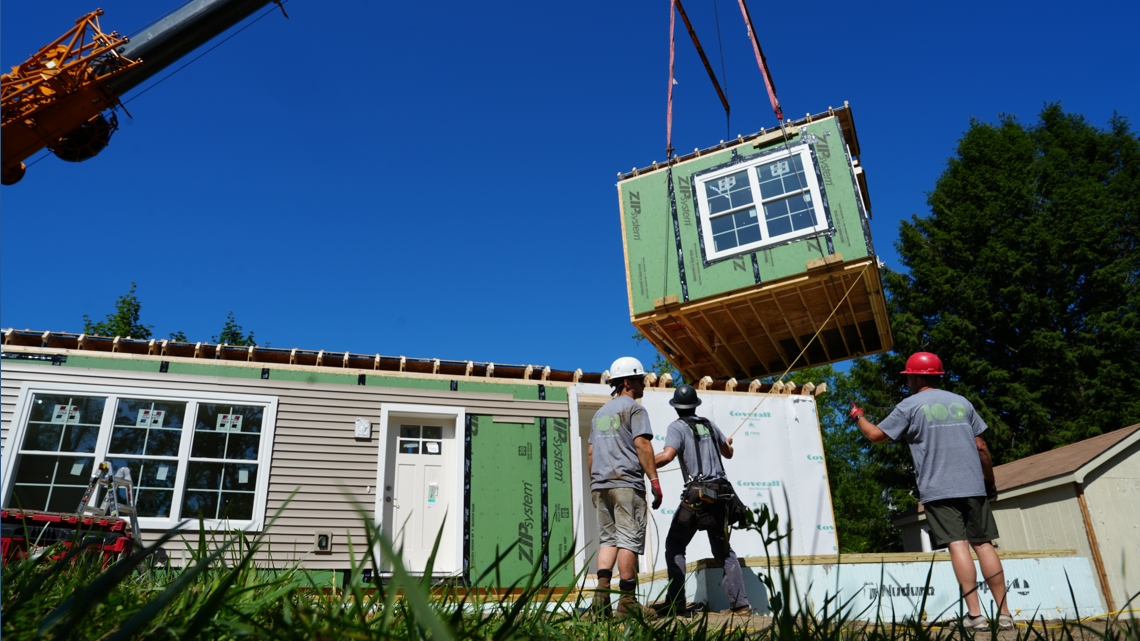
Maine is taking steps to address its ongoing housing challenges with a focus on Accessory Dwelling Units (ADUs). These smaller, secondary living spaces — often attached to a single-family home or on the same property — have gained attention as a practical way to increase housing supply without major new construction.
ADU Incentives: What Homeowners Need to Know
The state has launched incentives in select areas that make it easier for homeowners to build ADUs. Qualified homeowners can receive up to $10,000 toward the cost of constructing or converting a space into an ADU. The program aims to encourage the development of affordable, flexible housing solutions while helping communities meet growing demand.
ADUs can take many forms, including:
- A detached small home or cottage on the same lot
- A conversion of a garage or basement into a livable unit
- An attached unit added onto an existing house
By providing financial support, Maine hopes to unlock new housing options for renters and extended families, while also creating opportunities for homeowners to generate rental income.
Why ADUs Matter for Maine’s Housing Market
Maine has seen a surge in housing demand, especially in urban and suburban areas where land and construction costs are high. At the same time, supply has struggled to keep pace with population growth, smaller household sizes, and affordability pressures. ADUs offer a smart, scalable solution because they:
- Increase available housing without requiring new subdivisions
- Provide affordable rental options in high-demand areas
- Enable multigenerational living for families needing space for elderly relatives or young adults
- Support sustainable growth by utilizing existing land and infrastructure
For homeowners, the program is also attractive because it reduces upfront construction costs, making it easier to undertake a project that can benefit the broader community.
How This Fits into Broader Housing Policy
The ADU incentive program is part of a larger set of housing policy initiatives aimed at addressing Maine’s affordability challenges. Policymakers and advocacy groups are working to align local development strategies, zoning flexibility, and funding programs to expand housing options while protecting neighborhoods.
ADUs represent just one tool in the toolbox. Other efforts include:
- Workforce housing programs targeting essential workers
- Incentives for mixed-income developments
- Support for mobile home park protections and renovation projects
What This Means for Maine Residents
For homeowners, the ADU program creates opportunities to diversify their property’s use, help family members, or generate rental income. For renters, it could mean more affordable options in communities where housing is tight. And for communities, it’s a step toward a more balanced, resilient housing market without overloading infrastructure or changing neighborhood character.