


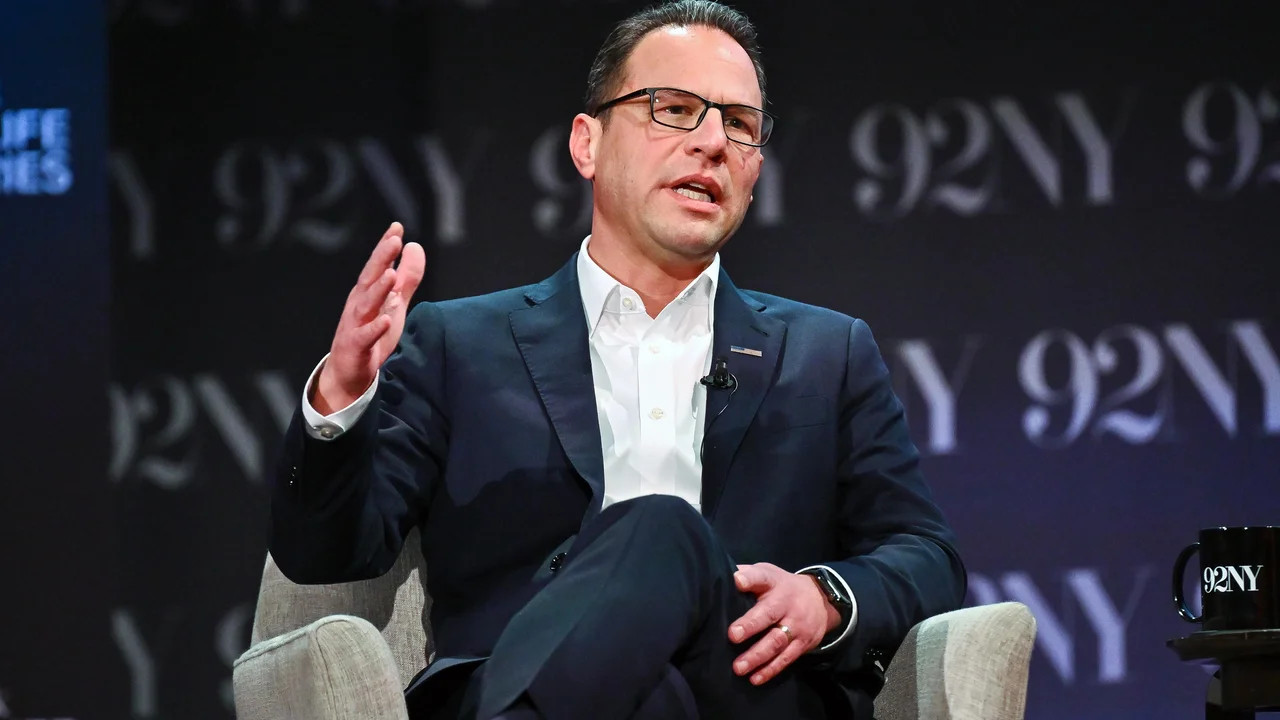
Pennsylvania Governor Josh Shapiro delivered his 2026–27 budget address on February 3, 2026, unveiling a $53.2 billion spending plan that sets priorities for the coming fiscal year — with a strong focus on housing affordability, infrastructure investment, economic development, education, and worker support. Per multiple reports, this budget proposal reflects both policy ambitions and political strategy as Pennsylvania heads into an election year.
Big Picture: A Budget Built Around Affordability and Growth
Governor Shapiro’s proposal would increase state spending by about 6 % over the previous year, prioritizing areas that affect everyday costs and quality of life for residents. The plan was presented before a joint session of the Pennsylvania General Assembly and emphasizes a blend of public service investments without broad-based tax increases.
Highlights include:
- A proposed $53.2 billion state budget for Fiscal Year 2026–27.
- Large investments in housing, infrastructure, education, and transit.
- Increased support for minimum wage expansion and worker tax credits.
- Continued advocacy for cannabis legalization as a revenue source.
$1 Billion for Housing and Infrastructure
One of the most ambitious elements of the budget is the creation of a $1 billion housing and infrastructure fund, backed by state bonds. Shapiro framed this investment as essential to tackling Pennsylvania’s ongoing housing shortage and addressing rising costs tied to home prices and rents.
The governor stressed the need for new construction and land-use reform, warning that if the state “doesn’t take action to build and preserve more housing, it will be short 185,000 homes by 2035.”
Why this matters:
This level of commitment could unlock financing for large-scale housing projects across urban, suburban, and rural communities — from new affordable units to infrastructure upgrades that expand neighborhood capacity.
Workers and Wage Policy
Shapiro’s budget again proposes raising Pennsylvania’s minimum wage to $15 per hour, including support for tipped workers, a proposal that has been part of his policy agenda for several years.
Additionally, the budget would expand the Working Pennsylvanians Tax Credit and increase the Property Tax and Rent Rebate program, programs aimed at directing more money into the pockets of low- and moderate-income residents.
Cannabis Legalization as a Revenue Source
For a fourth straight year, Shapiro used the budget as a platform to advocate for legalizing recreational cannabis in Pennsylvania, calling it a way to generate new revenue without broadening income tax burdens. Per reporting on his address, the governor proposes a 20 % tax on adult-use cannabis products, with projected revenue close to $729 million in the first year alone.
Shapiro emphasized that Pennsylvania is behind neighboring states on legalization — a gap he argues is leaving money and business opportunity on the table.
Education and Transit Funding Increases
The budget puts significant emphasis on education equity. It includes:
- $565 million to improve funding for underfunded school districts as part of Pennsylvania’s multi-year plan to ensure equitable education funding.
- Increased support for public transit agencies, including targeted transit funding.
These investments aim to improve outcomes for students and help transit systems, especially in major metros like Philadelphia and Pittsburgh, maintain and expand services.
Public Safety and Social Services
Shapiro’s budget also includes boosts to public safety funding, along with expanded support for domestic violence and homeless assistance programs through the human services budget. Half of the proposed new spending is tied to health care, food assistance, and safety network programs for low-income Pennsylvanians.
The governor also called for reforms to state statutes related to child protective and elder abuse laws, as part of a broader push to modernize and strengthen social protections.
Business, Innovation, and Workforce Development
To support continued economic development, Shapiro’s plan calls for:
- A “Federal Response Fund” — $100 million from the Rainy Day Fund to buffer against unpredictable federal policy actions.
- An additional $100 million for a State Innovation Fund to support venture capital firms, clinical trials, and university research.
These initiatives are designed to help Pennsylvania attract and retain high-growth industries and support workforce development in emerging sectors.
Political Context and Legislative Outlook
The proposal sets the stage for what may be intense budget negotiations with a divided legislature, particularly a Republican-controlled Senate that has historically resisted large spending increases. Critics have already signaled concerns about increased spending and revenue assumptions tied to cannabis and gaming taxes.
Shapiro’s budget pitch also frames his policy agenda ahead of his 2026 reelection bid, tying broad investments in affordable housing, wages, and education to his overall vision for the Commonwealth’s future.
What This Means for Pennsylvanians
🏠 Housing and Affordability
- A $1 billion housing and infrastructure fund could accelerate the development of new homes and the implementation of renter protections.
- Reforms tied to land use may help reduce housing costs over time.
💼 Workers and Families
- A gradual move toward a $15 minimum wage would raise earnings for lower-income workers.
- Expanded tax credits and rebates could help offset living costs.
🍁 Economic and Revenue Strategy
- Legalizing recreational cannabis remains a key revenue strategy, potentially producing hundreds of millions of dollars annually if enacted.
📚 Education and Transit
Large funding increases for education equity and transit support schools in underfunded districts, and for maintaining critical transportation networks.