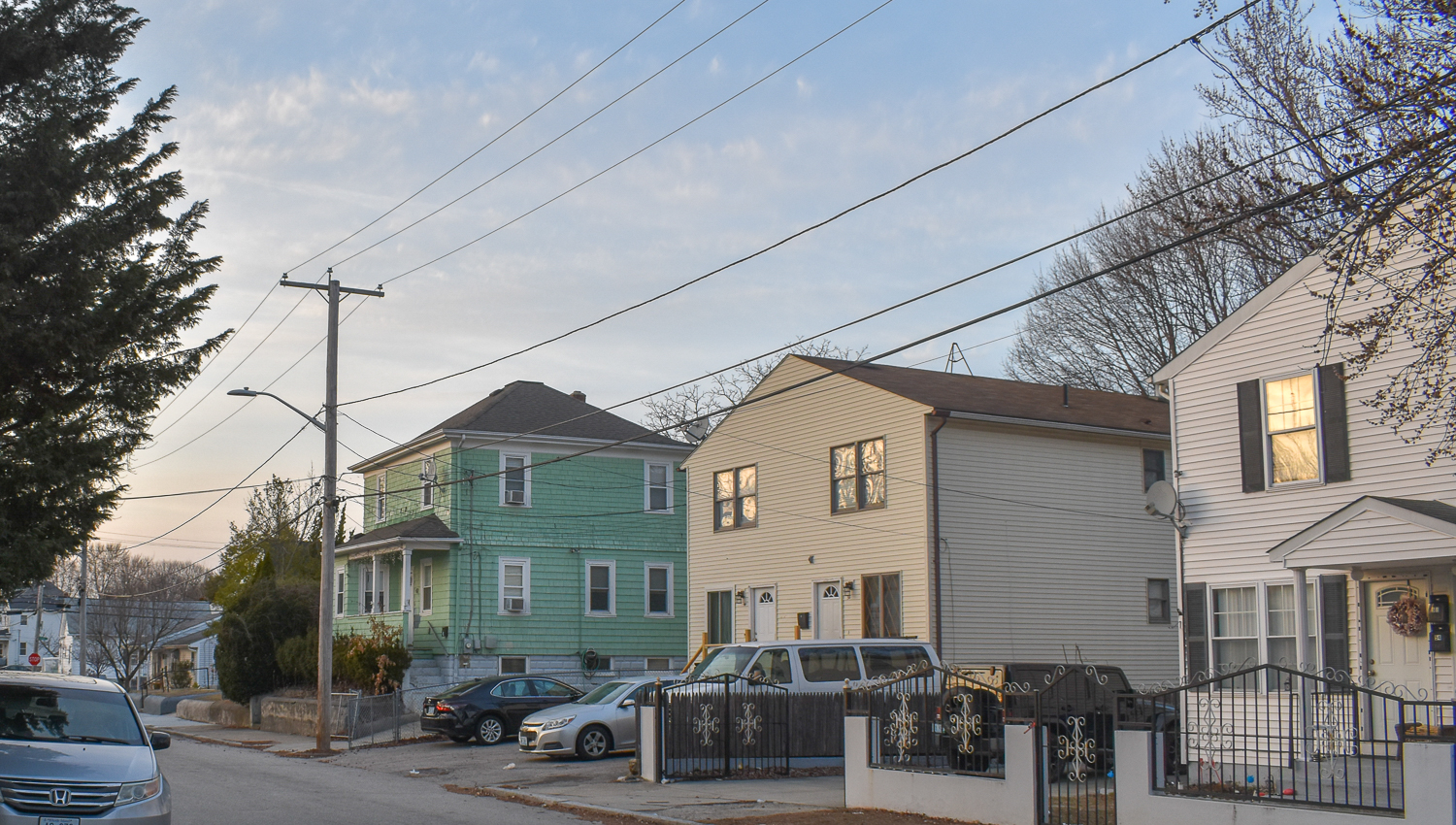
Rhode Island homeowners are building accessory dwelling units (ADUs) at a pace the state hasn’t seen before — and the motivation is straightforward.
Mortgage rates remain above 6%, home prices are still hovering near their 2023 highs, and monthly housing costs feel heavy even for long-time owners. In that environment, converting a garage, basement, or backyard into a rentable unit isn’t just a lifestyle upgrade — it’s a financial strategy.
A new state law that took effect on July 1, 2026, was designed to make ADUs easier to build statewide. In practice, the outcome depends heavily on local zoning interpretation. Some municipalities are moving quickly to embrace ADUs. Others are complying on paper while making projects difficult in reality.
For homeowners hoping to offset high carrying costs, success in 2026 comes down to location, preparation, and understanding the fine print.
What the 2026 ADU Law Actually Changed
Rhode Island’s updated ADU framework establishes statewide minimum standards that all municipalities must follow. The goal is to reduce the patchwork of local rules that previously made ADU construction unpredictable or outright impossible in some towns.
Under the new law, municipalities must allow at least one ADU on single-family residential lots and adhere to the following baselines:
- Minimum size allowances
- Studio or one-bedroom ADUs: up to 900 square feet or 60% of the primary home’s floor area, whichever is less
- Two-bedroom ADUs: up to 1,200 square feet or 60% of the main dwelling
- Studio or one-bedroom ADUs: up to 900 square feet or 60% of the primary home’s floor area, whichever is less
- Parking limits
- Towns may require no more than one off-street parking space per bedroom, closing a common loophole that previously stalled projects in dense neighborhoods
- Towns may require no more than one off-street parking space per bedroom, closing a common loophole that previously stalled projects in dense neighborhoods
- Fee caps
- ADU permitting fees cannot exceed those charged for new single-family homes, preventing municipalities from pricing projects out of reach
- ADU permitting fees cannot exceed those charged for new single-family homes, preventing municipalities from pricing projects out of reach
- No forced infrastructure upgrades
- Towns cannot require sewer expansions, road improvements, or unrelated infrastructure upgrades as a condition of approval
The law does not eliminate local control. Municipalities still regulate setbacks, height limits, design standards, and occupancy rules. But homeowners now have a guaranteed starting point — not a blank slate that resets with every zoning board.
Why ADUs Suddenly Make Financial Sense
The surge in ADU interest is fundamentally about cash flow.
A homeowner carrying a $450,000 mortgage at 6.5% is paying roughly $2,850 per month in principal and interest alone. Once taxes and insurance are added, total monthly housing costs often exceed $3,500 in many Rhode Island communities.
An ADU renting for $1,200 to $1,800 per month can materially change that equation. For many households, it’s the difference between financial stress and stability.
Construction costs vary widely:
- Garage or basement conversions: roughly $80,000–$120,000 if utilities are nearby
- Detached, ground-up ADUs: often $150,000–$200,000, depending on site conditions and finishes
At $1,500 per month in rent, a $120,000 ADU produces about $18,000 annually before expenses. After maintenance, insurance, and vacancies, many homeowners see a 10–12 year payback period — longer if costs run over budget.
Some owners are folding ADU construction into HELOCs or cash-out refinances. In certain cases, the added rental income and improved appraisal value help offset the additional debt.
Where Local Zoning Helps — and Where It Still Hurts
The state law sets the floor, but municipal interpretation determines how feasible an ADU really is.
Providence is leading the way. ADUs are allowed citywide, parking requirements are relaxed near transit, and the permitting process is relatively clear. The city actively views ADUs as a tool to increase rental supply without large-scale redevelopment.
East Providence stands out for lot size flexibility. While the state default for detached ADUs is a 20,000-square-foot lot, East Providence allows them on lots as small as 5,000 square feet, opening the door for ADUs in denser neighborhoods.
Other towns remain cautious — or resistant.
- Owner-occupancy requirements still exist in several municipalities, limiting investor interest and complicating plans for homeowners who may want to move later.
- Parking enforcement remains a flashpoint, especially in neighborhoods where creating off-street parking requires expensive site work.
- Design review boards and setback rules can add weeks or months to approval timelines and restrict what’s physically possible.
The best advice for homeowners: start with your local zoning office before spending a dollar on design or engineering. The state law guarantees the right to build something — not everything.
The Reality: ADUs Aren’t Plug-and-Play
Homeowners who started projects in late 2025 and early 2026 quickly learned that permitting is only step one.
- Labor shortages are extending construction timelines
- Material costs remain elevated
- Utility connections can add $10,000–$20,000 if trenching or panel upgrades are required
In areas without municipal sewer, septic capacity is often the biggest wildcard. Some properties simply can’t support an additional unit, regardless of zoning allowances.
Financing is another challenge. Dedicated ADU construction loans are still rare, leaving most homeowners reliant on HELOCs or cash-out refinances — workable, but not ideal in a higher-rate environment.
Managing a tenant on the same property also isn’t passive income. Clear screening, expectations, and boundaries matter more when you share a driveway or backyard.
What This Means for the Market
For Homeowners:
ADUs can meaningfully improve affordability and long-term financial stability — but only if the numbers are conservative and the project is planned carefully.
For Buyers:
Properties with ADU potential carry real value in 2026. Large lots, detached garages, and towns with permissive zoning deserve closer attention. Be cautious with unpermitted “in-law” units — bringing them up to code can be costly.
For Sellers:
A permitted ADU is a strong selling feature, especially for buyers planning to offset mortgage costs. Documentation matters. Buyers will ask.
For Investors:
Owner-occupancy rules limit traditional ADU investing in many towns. House-hacking remains viable where zoning allows, but location selection is critical.
For Realtors:
Understanding municipal differences is essential. State law alone doesn’t tell the whole story. Clients need realistic expectations around cost, timelines, and income potential.
What to Watch Going Forward
Over the next year, Rhode Island’s ADU trajectory will hinge on three factors:
- Municipal enforcement and interpretation
- Construction costs and labor availability
- Financing options for homeowners
Owner-occupancy rules are likely to resurface at the state level as housing advocates push for looser standards. Meanwhile, rental demand — particularly near Providence and along Boston commuter corridors — continues to support the ADU value proposition.