


Green vs. Green: The Solar Power Standoff in Rural Vermont
A small Vermont town is sitting at the center of a debate that's forcing the state to choose between two versions of its environmental future. In Lowell, a proposed industrial solar farm has divided the community exactly in half, literally. A recent town vote on whether to hire a lawyer to fight the project ended in an 86-86 tie.
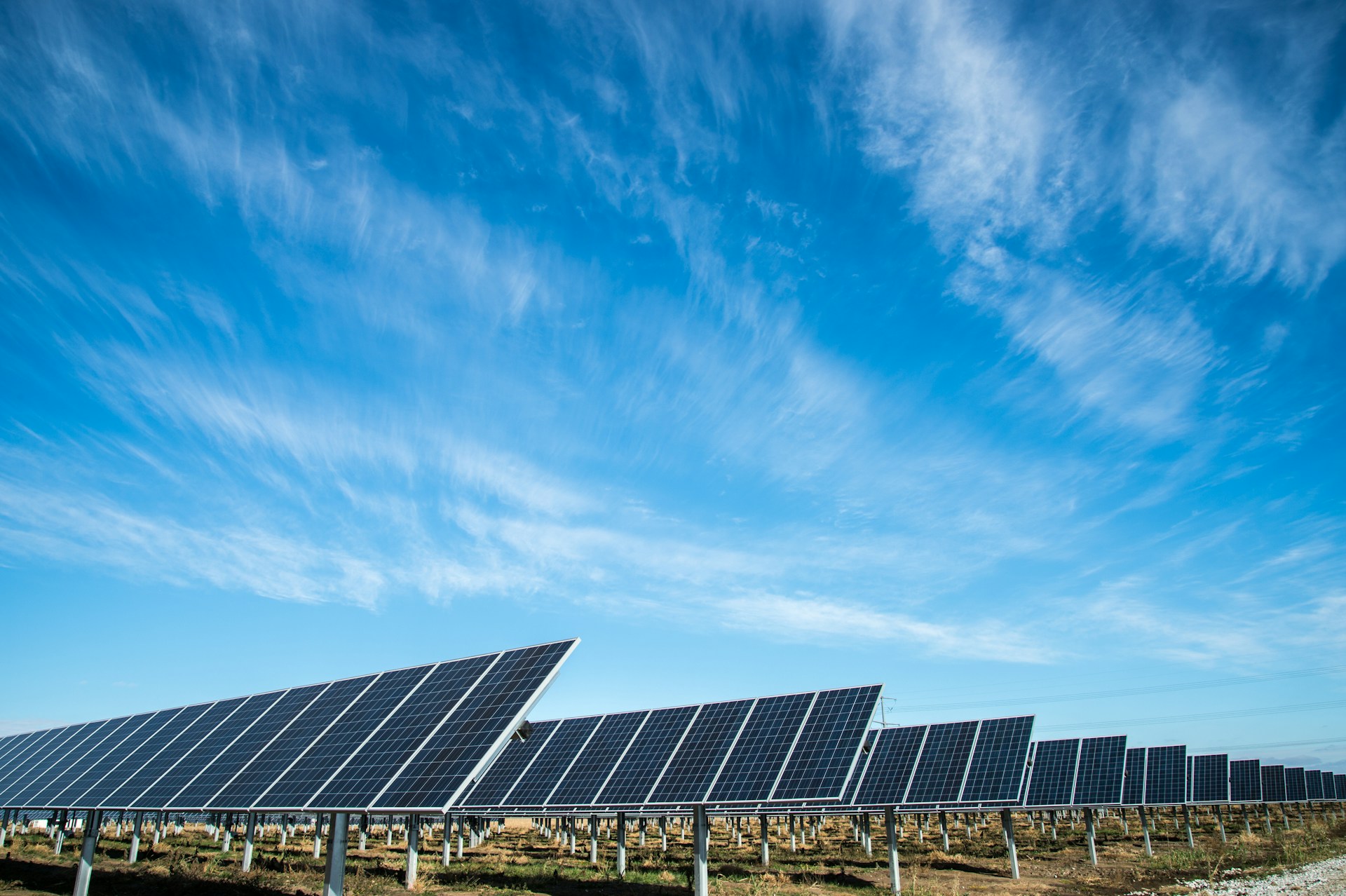
The proposed MHG Solar project would blanket 27 acres of hayfield with roughly 14,000 solar panels. Vermont Electric Co-op wants the power to meet state renewable energy mandates. Opponents see it as the sacrifice of rare developable land in a town that has almost none. The case now sits with Vermont's Public Utility Commission, which must decide whether industrial-scale solar on agricultural land serves "the long-term public good" of Vermont.
This isn't just an environmental dispute. It's a real estate and economic question that could reshape how rural Vermont land is valued, used, and developed for decades.
The Collision Course: Renewable Mandates Meet Rural Reality
Vermont has committed to sourcing 100% of its electricity from renewable resources by 2035, with at least 20% coming from new regional renewable projects. That's an aggressive timeline, and solar is the fastest way to meet it. But here's the problem: Vermont is a small state with limited flat, accessible land. The places where large solar arrays make the most economic sense are often the same agricultural fields that define Vermont's identity.

Orleans County, where Lowell is located, represents this tension perfectly. The area is rural, sparsely populated, and characterized by working farms and hayfields. These are exactly the types of sites that solar developers target because they're already cleared, relatively flat, and often lack the wetland or forest protections that complicate permitting elsewhere.
For developers, it's efficient. For towns like Lowell, it feels like theft.
The Lowell Case: One Hayfield, Two Futures
The proposed Lowell solar project is modest by utility-scale standards but massive by local standards. MHG Solar, based in Manchester, wants to install panels on a 27-acre hayfield in the center of town. The site is one of the only pieces of undeveloped land in Lowell's village area that could feasibly support housing, commercial development, or community infrastructure.
Town officials and the Northeast Vermont Development Association have both voted unanimously against the project. Their argument isn't anti-solar: it's anti-this-location. One resident put it plainly at a state hearing: "I feel like, for Lowell, we have one space in our village that we could even think about developing responsibly at some point."
The developer's counterargument is that farmland can be restored after solar panels are removed, typically after 20 to 30 years. They point to restoration procedures designed to preserve soil quality for future agricultural use. But opponents question whether that's realistic and whether Vermont should be betting its limited developable land on a promise of future restoration.
The town's select board tried to raise funds to hire legal representation to fight the project. The vote tied. That 86-86 split isn't just a quirky anecdote: it's a snapshot of how evenly divided rural Vermont is on this issue.
Why Zoning Failures Are Making This Worse
One of the complicating factors in Lowell is that the town is years behind on updating its zoning bylaws. Without clear, modern land use standards, it's difficult for residents or town officials to articulate legally defensible reasons why solar doesn't belong in a particular location.
This is a common problem across Vermont's rural towns. Many have outdated zoning maps, vague language around industrial use, and little specific guidance on renewable energy projects. That creates a vacuum where state-level agencies and developers have more power than local governments.
For property owners and investors, this is a critical lesson: towns without strong, updated zoning are vulnerable to projects that may not align with local priorities. If you're evaluating land in rural Vermont, the strength of the town's planning documents matters as much as the soil quality or road access.
The Property Value Question
There's limited data on how industrial solar farms impact nearby property values, but anecdotal evidence suggests the effect depends heavily on visibility, proximity, and local market conditions. In rural areas where scenic views and open land are selling points, visible solar arrays can depress values for neighboring parcels.

In Lowell, the proposed site is in the village center, which means visibility is unavoidable. If the project moves forward, nearby residential properties could see reduced buyer interest, particularly from out-of-state buyers drawn to Vermont's "unspoiled" rural character.
For agricultural landowners, the calculus is different. Solar leases can be far more lucrative than farming. Developers typically offer long-term lease payments that provide stable income without the labor, equipment costs, or weather risk of active agriculture. For aging farmers without succession plans, solar leases are an attractive exit strategy.
But that economic logic doesn't account for what happens to the land long-term or what it means for the broader community when agricultural parcels are converted one by one.
The Bigger Picture: Vermont's Brand Is on the Line
Vermont's tourism and second-home markets are built on a specific aesthetic: rolling hills, working farms, covered bridges, and small villages. It's the state's economic differentiator. Real estate marketing in Vermont leans heavily on phrases like "unspoiled countryside" and "pastoral beauty."
Industrial solar farms don't fit that image. As one observer warned, "Vermont's landscape will not be Vermont if we have the land along roadsides supporting all of the solar demands."
This isn't hyperbole. Vermont has roughly 9 million acres of land. Even a modest buildout to meet renewable energy goals could mean tens of thousands of acres covered in solar panels. If those acres are concentrated in the most visible and accessible locations: roadside fields and valley bottoms: the cumulative visual impact could be significant.
For real estate investors, this creates uncertainty. Properties marketed on scenic views or proximity to working landscapes could lose value if industrial solar expands rapidly. Conversely, areas that successfully resist solar development through strong local zoning could see increased demand from buyers seeking "protected" rural character.
What This Means for Different Stakeholders
Landowners
If you own agricultural land in rural Vermont, you're likely already receiving inquiries from solar developers. Before signing a lease, consider the long-term implications: Will this affect your ability to sell the property? Will it impact neighboring parcels you own? Does the lease include realistic restoration language?
Also, check whether your town has updated zoning that regulates solar siting. If not, you may face local opposition even with a signed lease.
Investors and Second-Home Buyers
If you're buying rural property in Vermont for the long term, pay attention to local planning documents and recent Public Utility Commission decisions. Towns with strong, solar-specific zoning are less likely to see surprise industrial projects. Properties with protected views: conservation easements, state land buffers: may become more valuable if solar development accelerates elsewhere.
Realtors
This is a disclosure issue waiting to happen. If a property is near a proposed or approved solar site, buyers need to know. Even if the project isn't built yet, the uncertainty can affect value. Familiarize yourself with where solar applications are pending in the towns where you operate.
Developers and Builders
The solar debate is indirectly helping housing. Towns like Lowell are realizing they need to clearly designate where development should and shouldn't happen. That's leading to updated zoning that could make residential or commercial projects easier to permit in designated areas. If you're trying to build in rural Vermont, the solar fight might actually open doors.
What to Watch
The Lowell case is now with Vermont's Public Utility Commission, which will decide whether the project serves the state's long-term public good. That decision could set a precedent for how Vermont weighs state renewable energy mandates against local land use concerns.
Beyond Lowell, watch for towns that move quickly to update zoning with solar-specific language. Those towns are likely trying to regain local control over siting decisions before more applications come in.
Also, pay attention to legislative discussions around agricultural land preservation. If Vermont wants to meet renewable energy goals without sacrificing its rural character, it will need to either incentivize rooftop and brownfield solar or find a way to compensate towns that host large projects.
The 86-86 vote in Lowell isn't an anomaly. It's a signal that Vermont is genuinely divided on how to balance competing environmental and economic priorities. The resolution of that division will shape the state's real estate market, tourism economy, and rural character for the next generation.
For now, the hayfield in Lowell sits empty, waiting for a decision that neither side will be fully happy with.