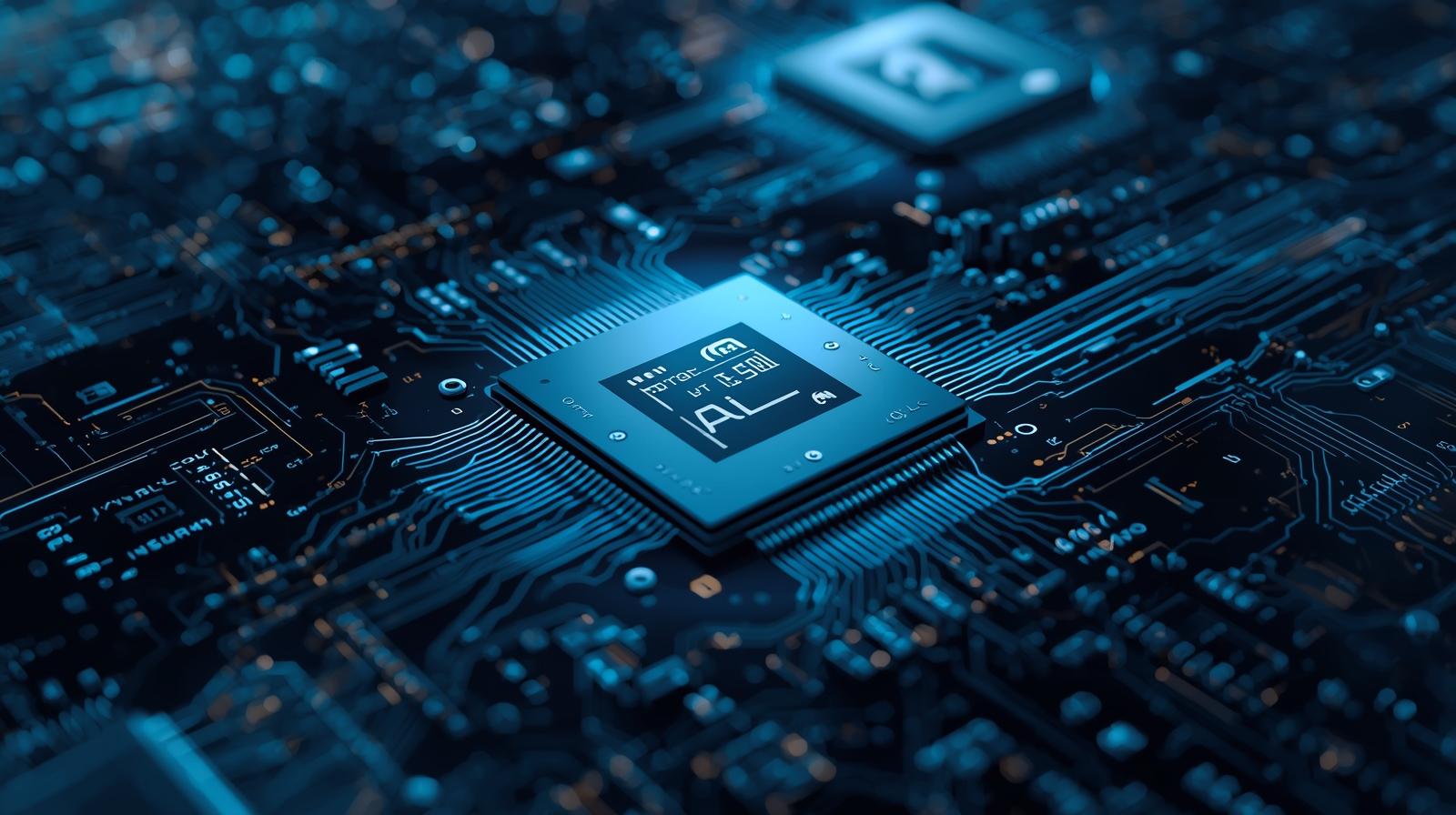
The explosive growth of artificial intelligence is triggering a major shift across the global technology industry. As companies race to develop more powerful AI systems, the demand for advanced semiconductor chips has surged dramatically. This surge is now straining the global supply chain and creating what many analysts describe as one of the most significant semiconductor shortages in recent years.
At the center of the issue are specialized chips used to train and run modern AI models. Large language models, generative AI tools, and advanced analytics systems require enormous computing power. To deliver that power, companies rely on graphics processing units (GPUs) and specialized memory chips such as High Bandwidth Memory (HBM) and advanced DRAM, which allow AI systems to process massive amounts of data quickly.
AI Infrastructure Is Consuming Global Chip Supply
Major technology companies are dramatically expanding their AI infrastructure, building massive data centers dedicated to running AI workloads. These facilities require thousands of advanced processors and enormous amounts of high-performance memory to operate effectively.
Because AI models require large datasets and intense computational processing, they consume significantly more hardware resources than traditional software systems. As a result, hyperscale technology firms are purchasing chips in huge quantities to support the development of AI products and services.
This surge in demand has dramatically reshaped semiconductor production priorities. Chip manufacturers are increasingly allocating manufacturing capacity toward components optimized for AI systems rather than traditional computing devices.
Industry data suggests that AI infrastructure could consume the majority of global high-end memory supply in the coming years. In fact, data centers supporting AI applications are expected to use a growing share of global memory production as companies scale their computing capabilities.
A Structural Memory Shortage Emerges
Unlike previous semiconductor shortages that were caused primarily by temporary supply disruptions, the current shortage is largely structural. The AI boom has fundamentally changed how semiconductor manufacturing capacity is allocated.
Memory manufacturers such as Samsung, SK Hynix, and Micron — which dominate the global DRAM market — are shifting production toward higher-margin components designed for AI systems. These include specialized memory stacks used alongside AI processors in data centers.
This shift reduces the amount of conventional memory available for consumer electronics, enterprise servers, and other technology products. As a result, prices for memory components have increased sharply, and supply for many types of hardware has tightened.
Analysts expect this shortage to persist for several years because building new semiconductor fabrication facilities takes enormous time and investment. In many cases, new fabrication plants require billions of dollars and several years before reaching full production capacity.
Ripple Effects Across the Technology Industry
The semiconductor shortage is already affecting several parts of the technology ecosystem. Rising memory prices are pushing up production costs for devices such as smartphones, computers, and networking equipment. Some analysts warn that the shortage could also reduce production volumes for certain electronics if supply constraints worsen.
Consumer technology manufacturers are particularly vulnerable because AI companies are willing to pay premium prices for the most advanced chips. As a result, semiconductor suppliers often prioritize AI infrastructure orders over other types of electronics manufacturing.
This dynamic has made chips one of the most strategically valuable resources in the global technology economy.
Geopolitical and Supply Chain Pressures
The global semiconductor market is also influenced by geopolitical tensions and supply chain risks. Trade restrictions, export controls, and political competition between major economies have already reshaped parts of the chip industry over the past several years.
At the same time, semiconductor manufacturing remains heavily concentrated in a small number of regions and companies. This concentration makes the industry especially sensitive to supply disruptions, logistical challenges, or geopolitical conflicts.
Because AI development now depends heavily on advanced chips, governments around the world are investing heavily in domestic semiconductor production to secure supply chains and maintain technological competitiveness.
The Race to Build More Chips
To address the growing shortage, semiconductor companies and governments are investing billions of dollars in new fabrication facilities. These facilities are designed to increase global chip production and reduce bottlenecks in critical components such as advanced memory.
However, even with these investments, the supply gap may take years to close. Semiconductor fabrication is one of the most complex manufacturing processes in the world, and expanding production capacity requires highly specialized equipment, materials, and engineering expertise.
As a result, analysts expect the supply-demand imbalance to persist through at least the late 2020s.
The Fuel Behind the AI Economy
The current semiconductor shortage highlights a fundamental reality of the modern digital economy: chips power nearly every major technology innovation. From artificial intelligence and cloud computing to smartphones and electric vehicles, semiconductors underpin the global technology ecosystem.
In the case of artificial intelligence, chips have effectively become the fuel that powers modern AI systems. As companies continue investing heavily in AI development, securing access to these critical components will remain one of the most important strategic challenges in the technology industry.