


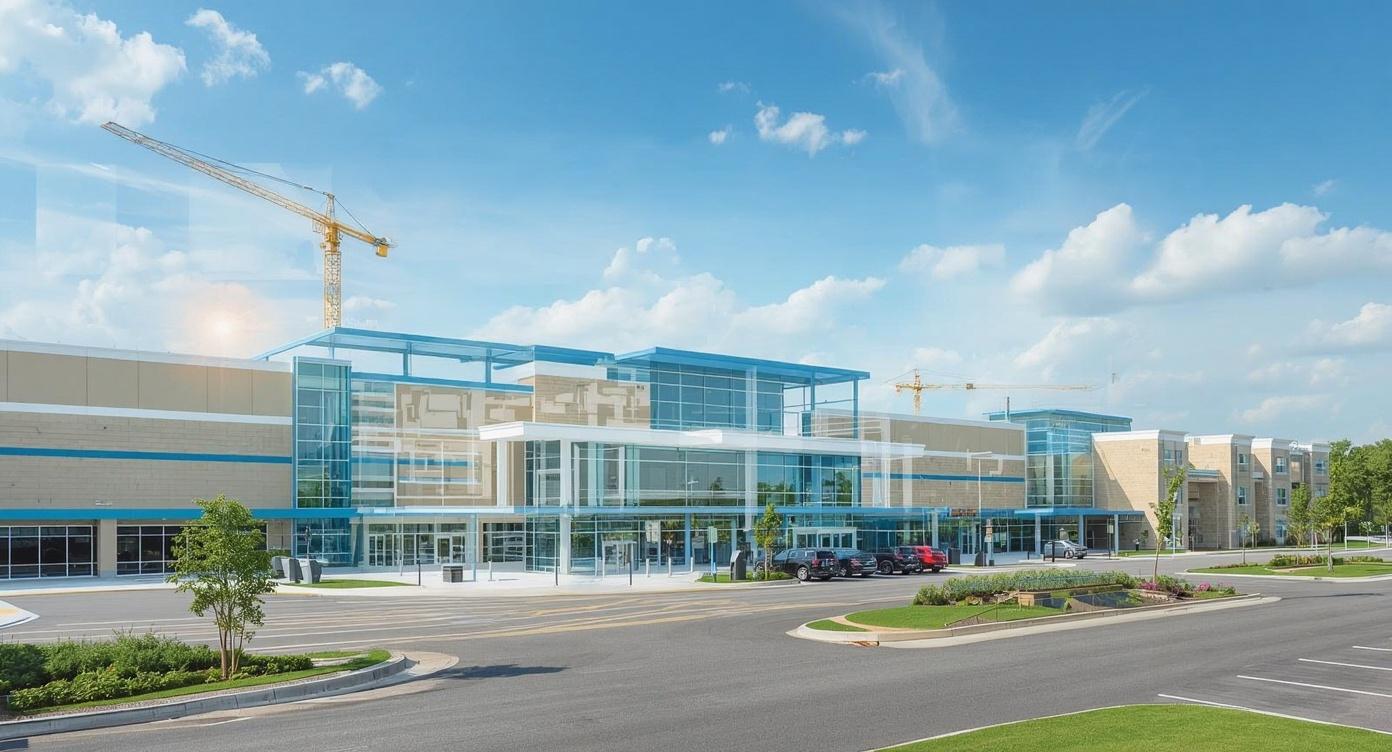
One of the most significant commercial real estate stories emerging in Connecticut in early 2026 centers on the future of Trumbull Mall, a longtime retail landmark that has now been placed on the market after its ownership group defaulted on a large loan tied to the property.
According to reporting from CT Insider, the mall entered foreclosure proceedings after the owner failed to repay a $152 million loan, setting the stage for a potential sale and redevelopment of the site. The property is now being marketed to investors, developers, and real estate groups who may see the struggling mall as an opportunity to reimagine one of Fairfield County’s largest retail complexes.
For local officials and real estate professionals, the situation highlights a broader national trend: aging shopping malls are increasingly being transformed into mixed-use developments that combine housing, retail, dining, and community spaces.
A Large Property With Significant Redevelopment Potential
The Trumbull Mall property occupies approximately 76 acres and includes roughly 1.1 million square feet of retail space, making it one of the larger commercial sites in the region.
For decades, the mall served as a major retail hub for Fairfield County and surrounding communities. However, like many traditional shopping centers across the United States, it has faced increasing pressure in recent years from:
- Growth in online shopping
- Changing consumer habits
- Store closures among traditional mall anchors
As retail traffic declined and vacancies increased, the financial viability of the property weakened, eventually contributing to the loan default that led to foreclosure.
Now, with the property being marketed to new investors, the focus is shifting toward what the next chapter for the site could look like.
A National Trend: Repurposing Aging Malls
Trumbull Mall’s situation mirrors a broader pattern seen across the country. Large enclosed malls built in the late 20th century are increasingly being redeveloped into mixed-use neighborhoods rather than traditional retail centers.
Developers often view these properties as attractive redevelopment sites because they already offer several valuable features:
- Large parcels of land
- Established infrastructure and road access
- Proximity to residential neighborhoods
- Existing utilities and parking capacity
Instead of maintaining a single retail use, modern redevelopment plans frequently integrate multiple functions such as residential housing, entertainment, restaurants, offices, and public spaces.
These projects can transform underperforming commercial properties into vibrant community districts.
Mixed-Use Redevelopment Possibilities
Local officials and planners have already begun discussing potential long-term redevelopment scenarios for the Trumbull Mall property. While no final plan has been announced, several possibilities have been floated.
One concept involves transforming the mall site into a mixed-use district that could include housing alongside retail and entertainment venues. Residential units could be incorporated into the property through apartment buildings, townhouses, or other multifamily housing formats.
Mixed-use developments like this have become increasingly popular because they create walkable environments where residents can live, shop, dine, and work in proximity.
Community amenities could also be part of a future redevelopment plan, such as public gathering spaces, parks, or recreation areas that help integrate the property more closely with the surrounding town.
Economic Implications for the Town of Trumbull
Because Trumbull Mall has historically been a major commercial property in the area, its future carries important implications for the town’s economic development and tax base.
If the property remains underutilized or vacant for extended periods, it could create economic challenges, including reduced tax revenue and lower foot traffic for nearby businesses.
On the other hand, a successful redevelopment project could bring significant benefits. A well-designed mixed-use district could attract new residents, increase local spending, and generate new tax revenue for the town.
For municipalities across the country, repurposing aging retail properties has become a key strategy for revitalizing commercial corridors and adapting to changing economic conditions.
What This Means for Real Estate Professionals
For real estate agents, investors, and developers in Connecticut, the Trumbull Mall situation represents more than just a foreclosure story — it reflects a structural shift in how large commercial properties are used.
If redevelopment plans move forward, the project could create:
- New residential housing opportunities
- Commercial leasing activity for retail and restaurants
- Investment prospects for developers and property groups
Projects of this scale also tend to influence surrounding property values and development patterns, particularly if they introduce new housing supply or attract increased economic activity to the area.
Given the size of the property and its location in Fairfield County, any redevelopment effort would likely become one of the most significant adaptive-reuse projects in the state.