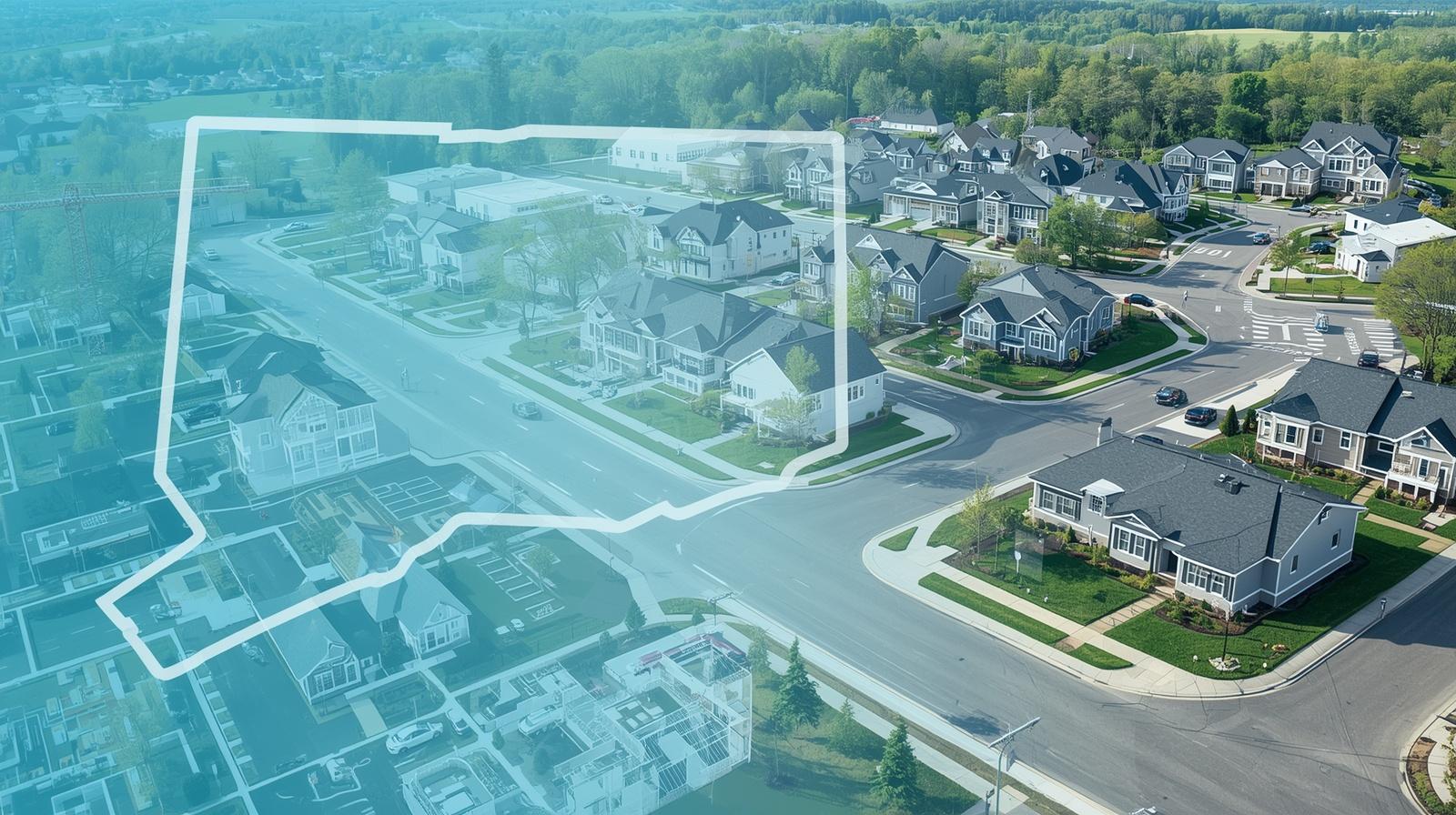
A new residential development proposal in Trumbull is bringing renewed attention to one of the most important trends shaping Connecticut real estate in 2026: the gradual shift toward higher-density housing in traditionally low-density suburban communities.
Per CT Insider, a developer has proposed a 42-unit residential subdivision near Booth Hill Road, just north of the Merritt Parkway. While the project itself is still in its early stages, it has already become a focal point for a broader conversation about housing supply, zoning flexibility, and the future of suburban development in the state.
A Different Kind of Suburban Development
The proposed project would span roughly 16 acres and include 42 three-bedroom, condominium-style homes, each designed with features typically associated with single-family living — including multiple bathrooms, garage parking, and private space.
That detail is important. This is not a traditional apartment complex. Instead, the development reflects a growing category of housing that sits somewhere between detached homes and large multifamily buildings. It’s the kind of product increasingly designed for buyers and renters who want space and convenience, but without the cost or maintenance burden of a full single-family property.
In many ways, this type of development is becoming one of the most practical responses to today’s housing challenges.
Zoning at the Center of the Conversation
What makes this proposal especially significant is not just the number of units, but the fact that it requires zoning changes to move forward.
The area is currently governed by regulations intended to preserve lower-density, single-family neighborhoods. In order to accommodate 42 units on the site, the developer is seeking adjustments that would allow for greater density and more flexible land use.
This is where the project moves beyond a single development and becomes part of a larger statewide pattern. Across Connecticut, towns are increasingly being asked to reconsider long-standing zoning frameworks in order to address limited housing supply and rising demand.
Whether or not this specific project is approved, the conversation it sparks is likely to continue.
Why This Reflects a Broader Market Shift
Connecticut’s housing market has been defined in recent years by a persistent imbalance between supply and demand. Inventory remains tight, particularly in suburban areas where zoning has historically limited new construction.
As a result, developers are exploring new ways to introduce housing into these communities without dramatically altering their character. Projects like the Trumbull subdivision represent a middle ground — adding density, but in a format that still aligns with suburban expectations.
The location of the site also plays a role. Its proximity to the Merritt Parkway provides strong regional access, making it more attractive for commuters and reinforcing a broader trend of building near key transportation routes.
Community Impact and Local Response
As with many proposals that involve zoning changes, the project is expected to generate discussion at the local level. Residents and officials will likely weigh the benefits of increased housing supply against concerns about traffic, infrastructure, and neighborhood character.
These debates are becoming increasingly common across Connecticut, particularly in towns that have historically resisted higher-density development. The outcome often depends on how well a project balances community concerns with broader housing needs.
What This Means for Real Estate Professionals
For those working in real estate, the significance of this proposal goes beyond Trumbull.
It highlights a growing demand for housing that offers flexibility, moderate density, and suburban appeal. Buyers today are not always choosing between a downtown apartment and a detached home — many are looking for something in between.
At the same time, it reinforces the importance of understanding zoning and local regulations. More and more opportunities in the market are tied not just to existing inventory, but to what can be built — and where.
Developments like this also tend to create ripple effects. New housing can bring new residents, increase local activity, and eventually influence nearby property values and demand patterns.