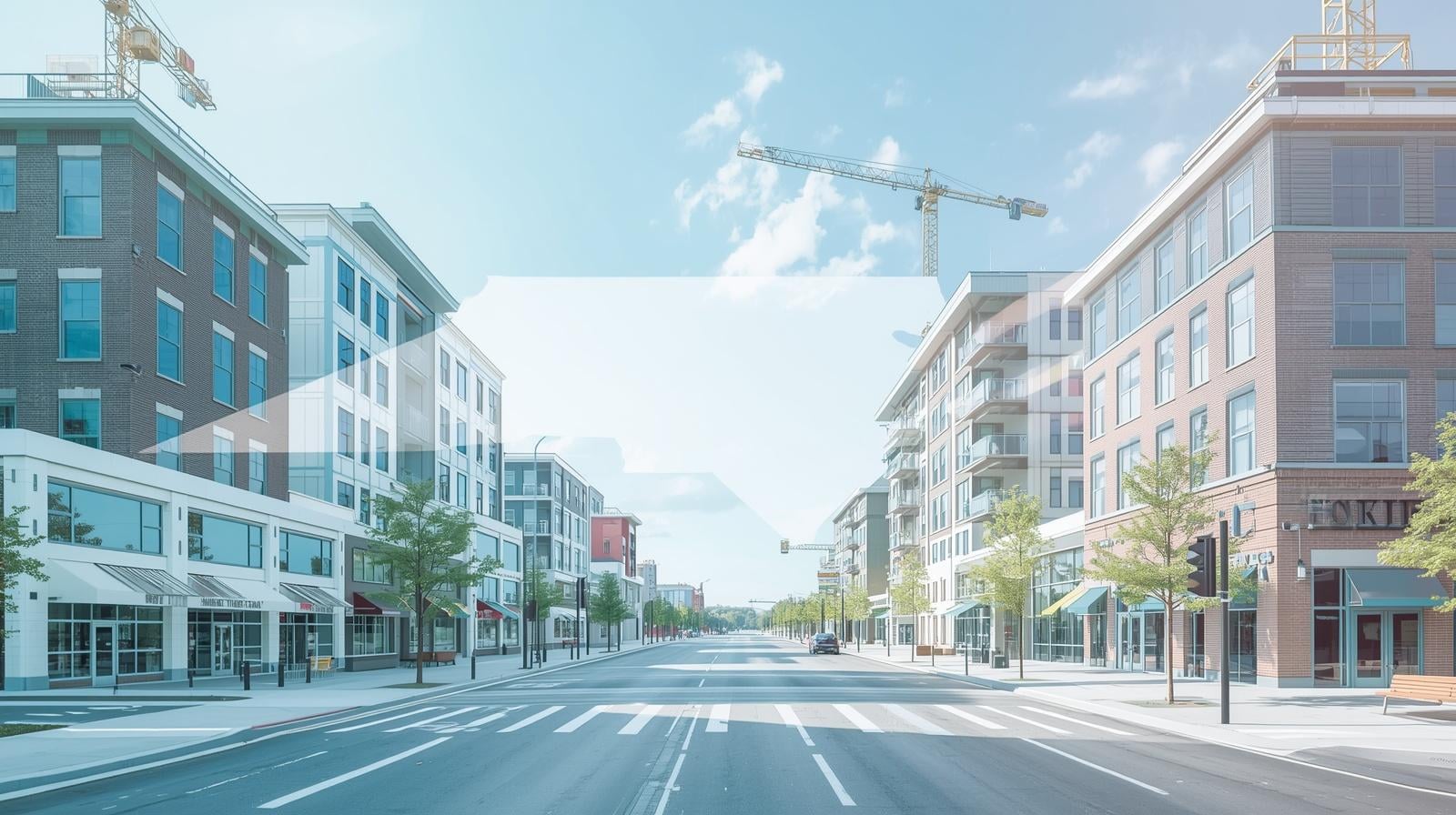
Durham is entering a new phase of growth, and one of the clearest signs is the ongoing transformation of the long-vacant Northgate area. Once home to a bustling indoor mall, the site is now becoming a focal point for redevelopment — and the latest project is adding real momentum.
A Charlotte-based developer has officially begun construction on Vara Trinity Park, a new apartment community that will bring 267 residential units across three buildings to the area near the former Northgate Mall.
While the number of units alone is significant, the project represents something much bigger than a typical apartment development. It’s part of a broader effort to reimagine how underused commercial land can be transformed into housing — a shift that is becoming increasingly important as cities across North Carolina deal with growth and housing demand.
A Turning Point for a Long-Idle Site
The Northgate Mall, which closed in 2020, has sat largely unused for years, creating both a physical and economic gap in a key part of Durham. Now, that gap is beginning to close.
The Vara Trinity Park project sits just steps away from the former mall property, where separate redevelopment plans are also in motion, including new retail anchored by a major national tenant and the likely demolition of large portions of the existing structure.
Together, these projects signal a coordinated shift away from traditional retail toward a more mixed-use, residential-driven environment.
Rather than attempting to revive an outdated mall model, developers and city leaders are leaning into a new vision — one that prioritizes housing, walkability, and long-term adaptability.
A Mixed-Income Model Reflecting Changing Priorities
One of the most important aspects of Vara Trinity Park is its inclusion of affordable housing.
Roughly 20% of the units are set aside for residents earning 60% or less of the area median income, developed in collaboration with the Durham Housing Authority.
This reflects a broader shift in how cities approach new development. Instead of isolating affordable housing into separate projects, there is increasing emphasis on integrating different income levels into the same communities.
In a fast-growing region like Durham — where rising home prices and rents have become a concern — this kind of mixed-income approach is quickly becoming the standard rather than the exception.
Why Developers Are Betting on Durham
The timing of this project is not accidental. The Raleigh-Durham region continues to benefit from steady population growth, job expansion, and a diverse economic base.
Developers see sustained demand for housing, particularly in areas close to downtown, major employment centers, and established neighborhoods. The Northgate area, located between Interstate 85 and central Durham, fits squarely into that category.
At the same time, the broader multifamily market is shifting. After a surge in apartment construction in recent years, new supply is beginning to slow slightly, allowing demand to catch up. That creates a more balanced environment — and for developers, a window of opportunity to deliver well-located projects that can perform over the long term.
A Broader Trend: Retail to Residential Conversion
What’s happening at Northgate is part of a much larger trend across the country.
As traditional retail continues to decline, especially in older enclosed malls, many of these properties are being repositioned into residential or mixed-use developments. These sites offer large parcels of land, existing infrastructure, and central locations — all of which are valuable in today’s housing market.
In Durham, that transition is especially visible. The shift from a single-use retail space to a multi-use residential district represents a fundamental change in how land is being utilized.
Ripple Effects for the Local Market
Projects like Vara Trinity Park rarely exist in isolation. As construction moves forward, the surrounding area is likely to see increased activity, both from renters and from investors looking to capitalize on the transformation.
New housing tends to attract new amenities, which in turn attract more residents. Over time, this can reshape an entire submarket — influencing everything from rental pricing to nearby property values.
At the same time, redevelopment on this scale often raises questions about affordability and displacement. Community groups in the area have already pushed for more inclusive planning, emphasizing the need for development that benefits existing residents as well as newcomers.
What This Signals Moving Forward
The Northgate redevelopment highlights several key shifts happening across North Carolina’s real estate landscape.
Housing supply is increasingly coming from redevelopment rather than new land. Cities are prioritizing mixed-income communities over single-income developments. And underutilized retail properties are being transformed into residential hubs that better align with today’s demand.
For real estate professionals, this is a trend worth watching closely. Developments like Vara Trinity Park don’t just add units — they reshape neighborhoods, influence pricing, and signal where future growth is likely to concentrate.