


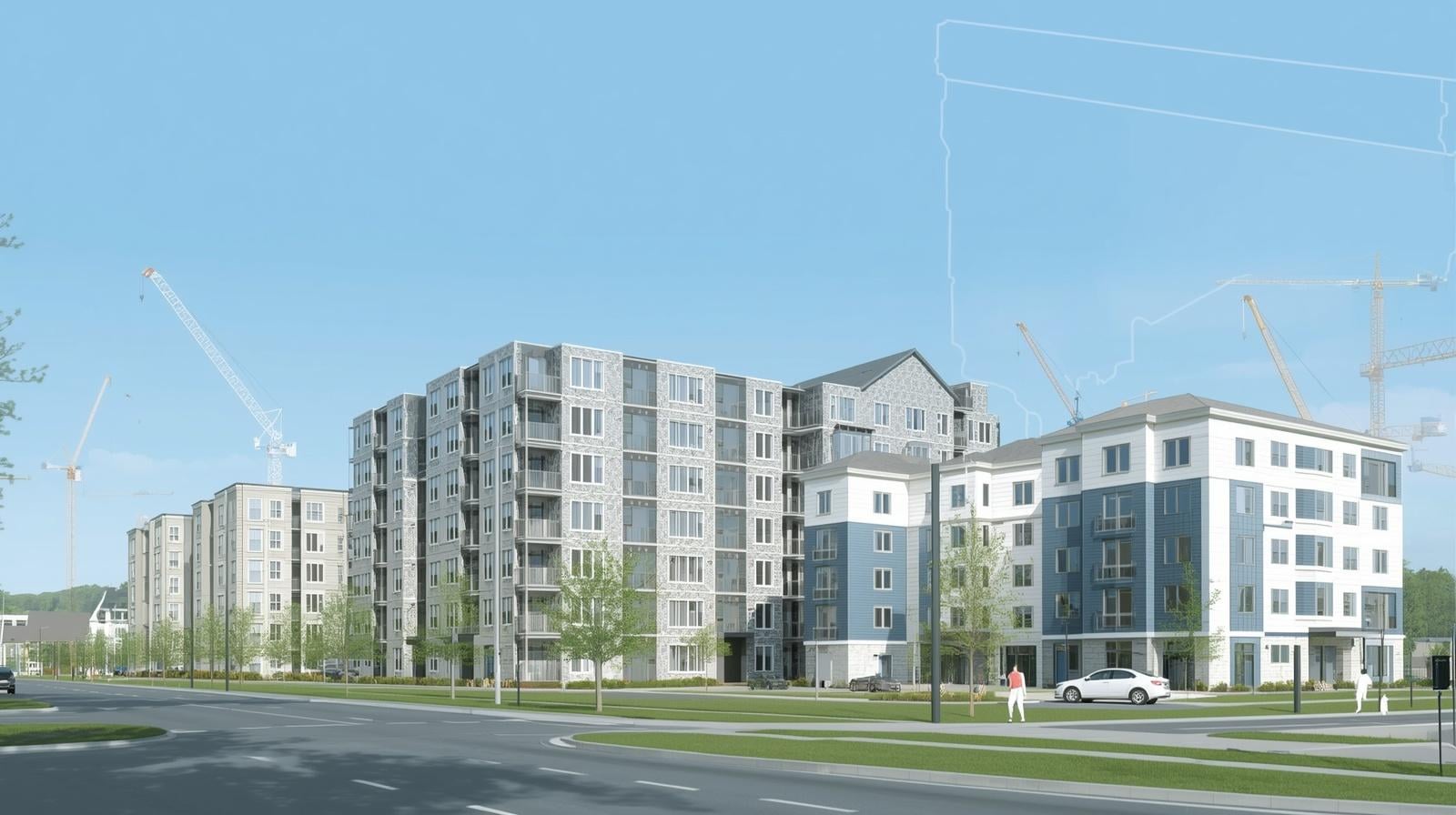
A key affordable housing development in Stamford is continuing to move forward despite construction delays, offering a clear look into both the urgency of housing demand and the real-world challenges of delivering new units in today’s market.
According to the Stamford Advocate, the project — located on the city’s West Side — is being developed by nonprofit housing provider Pacific House and will include 18 deeply affordable apartments designed for individuals and households with the greatest housing needs.
Originally approved in 2023, the project has experienced setbacks, and the site remains vacant even after demolition was completed. However, recent action by the city has ensured the development remains on track.
Project Overview: Deeply Affordable Housing With Support Services
The development is planned as a four-story building that will not only provide housing but also include on-site support services. A full-time case manager will operate from the first floor, offering assistance to residents — a model that reflects a growing trend toward combining housing with social services.
This type of housing is often referred to as “deeply affordable,” meaning it is targeted toward individuals earning significantly below the area median income and often includes supportive infrastructure for stability and long-term housing success.
Projects like this play a critical role in addressing homelessness and housing insecurity, particularly in cities like Stamford, where housing costs remain high relative to incomes.
Delays Highlight Development Challenges
Despite its importance, the project has not moved as quickly as initially expected. Construction delays have pushed the anticipated completion timeline to around 2027, reflecting broader challenges facing affordable housing development today.
These delays are not unique. Across Connecticut and the country, developers are navigating a difficult environment shaped by:
- Rising construction costs
- Financing complexities
- Regulatory approvals
- Supply chain disruptions
Affordable housing projects are particularly sensitive to these pressures, as they often rely on layered funding sources such as tax credits, grants, and public-private partnerships.
City Intervention Keeps the Project Alive
Recognizing the importance of the development, Stamford officials recently approved an extension of the project’s zoning approvals, ensuring that delays would not cause the plan to expire.
This kind of intervention is becoming increasingly common. Municipalities across Connecticut are taking a more active role in:
- Preserving project viability
- Extending approvals
- Supporting affordable housing pipelines
The goal is to prevent already-approved projects from falling apart due to timing or financial challenges — a critical step in maintaining momentum in housing production.
Part of a Larger Affordable Housing Push
The West Side development is not an isolated effort. It is part of a broader initiative by Pacific House and the city to expand affordable housing in Stamford.
Nearby, another 39-unit affordable housing project is already under construction, aimed at serving families and seniors. Like the 18-unit project, it is also expected to be completed around 2027.
Together, these developments reflect a coordinated effort to increase housing supply across multiple income levels — particularly for residents most affected by rising costs.
Why This Matters for Real Estate Professionals
For agents, investors, and developers, this story highlights several important realities about the Connecticut market.
First, affordable housing remains a top priority at both the local and state levels. Cities like Stamford are actively working to expand supply, even when projects face obstacles.
Second, the delays underscore how difficult it can be to bring projects from approval to completion. Financing gaps, regulatory timelines, and construction costs are now central factors shaping the development landscape.
Finally, the city’s willingness to extend approvals signals a shift toward a more proactive role in housing development. Municipal support can be the difference between a project moving forward or stalling indefinitely.
A Market Under Pressure
Stamford is one of Connecticut’s most active real estate markets, with thousands of housing units either planned or under construction. Yet even with this activity, affordability remains a major issue.
Projects like this highlight the gap between housing demand and housing delivery. While approvals may be increasing, getting projects built — especially affordable ones — remains a complex and time-consuming process.
At the same time, the integration of supportive services into housing developments reflects an evolving understanding of what “affordable housing” needs to look like in today’s market.