


The U.S. housing market is facing a new and increasingly disruptive challenge—and it’s not just high mortgage rates.
It’s volatility.
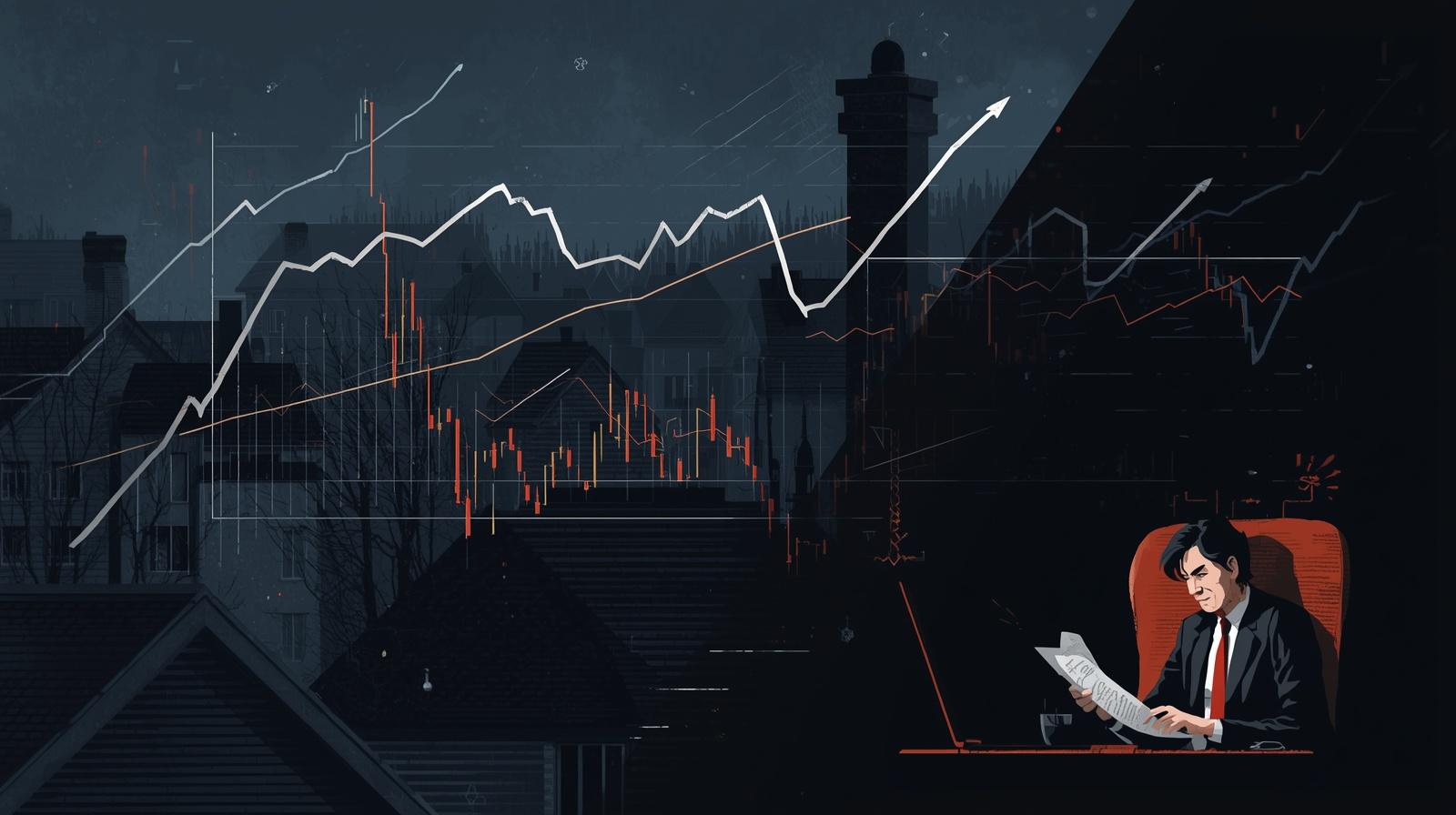
In early 2026, mortgage rates briefly dipped below 6%, giving buyers and industry professionals a sense that affordability might finally improve. But that optimism didn’t last. By the end of March, rates had surged back into the mid-6% range, reversing a significant portion of those gains in just a matter of weeks.
This rapid swing is doing more than just raising borrowing costs—it’s creating uncertainty that is now reshaping buyer behavior across the market.
A Market Whipsawed by Rapid Rate Changes
Unlike previous cycles where mortgage rates moved gradually, today’s market is experiencing sharp, unpredictable swings.
Rates started the year trending downward, only to rise quickly as inflation concerns, global instability, and shifting expectations around Federal Reserve policy pushed bond yields higher.
For buyers, this creates a moving target. Many enter the market based on a mortgage preapproval, only to find that by the time they are ready to lock in a rate, the numbers have changed—sometimes significantly.
As one housing economist noted, this kind of environment makes it much harder for consumers to know what they can actually afford, replacing confidence with a “wait-and-see” mindset.
Affordability Gains Are Being Erased Almost Instantly
The speed of these changes is one of the biggest issues.
When rates dipped below 6%, buyers briefly regained purchasing power. But the quick return to mid-6% levels wiped out roughly one-third of those affordability gains in just a few weeks.
That kind of reversal has real consequences.
Monthly payments increase, budgets tighten, and homes that once seemed within reach suddenly fall out of range. For many buyers—especially first-timers—this creates frustration and hesitation, making them less likely to move forward with a purchase.
Why Volatility Is More Dangerous Than High Rates Alone
High mortgage rates are challenging, but they are at least predictable. Volatility, on the other hand, introduces uncertainty—and uncertainty slows markets.
Buyers today are not just reacting to where rates are, but to how quickly they might change next. This has led to a noticeable shift in behavior. Many are delaying decisions, hoping for more stability before committing. Others are struggling with expiring rate locks, forcing them to either accept higher payments or walk away from deals entirely.
Even those still moving forward are proceeding more cautiously, often adjusting budgets downward or reconsidering their timing.
A Critical Moment for the Spring Housing Season
The timing of this volatility is especially significant.
Spring is typically the busiest season for homebuying in the U.S., when activity peaks and momentum builds. But instead of a stable environment, buyers are entering a market defined by rapid changes and uncertainty.
This is already having a chilling effect. Mortgage applications have declined in recent weeks, and buyer traffic is becoming more inconsistent as people hesitate to commit in an unpredictable rate environment.
A Market Driven by Uncertainty
The rise in mortgage rate volatility reflects a broader shift in how the housing market operates in 2026.
Global events, inflation concerns, and financial market movements are now feeding directly into mortgage pricing on a near-daily basis. That means housing is no longer just influenced by local supply and demand—it is increasingly tied to global economic conditions.
As a result, the market is becoming more reactive, less predictable, and more sensitive to sudden changes.