


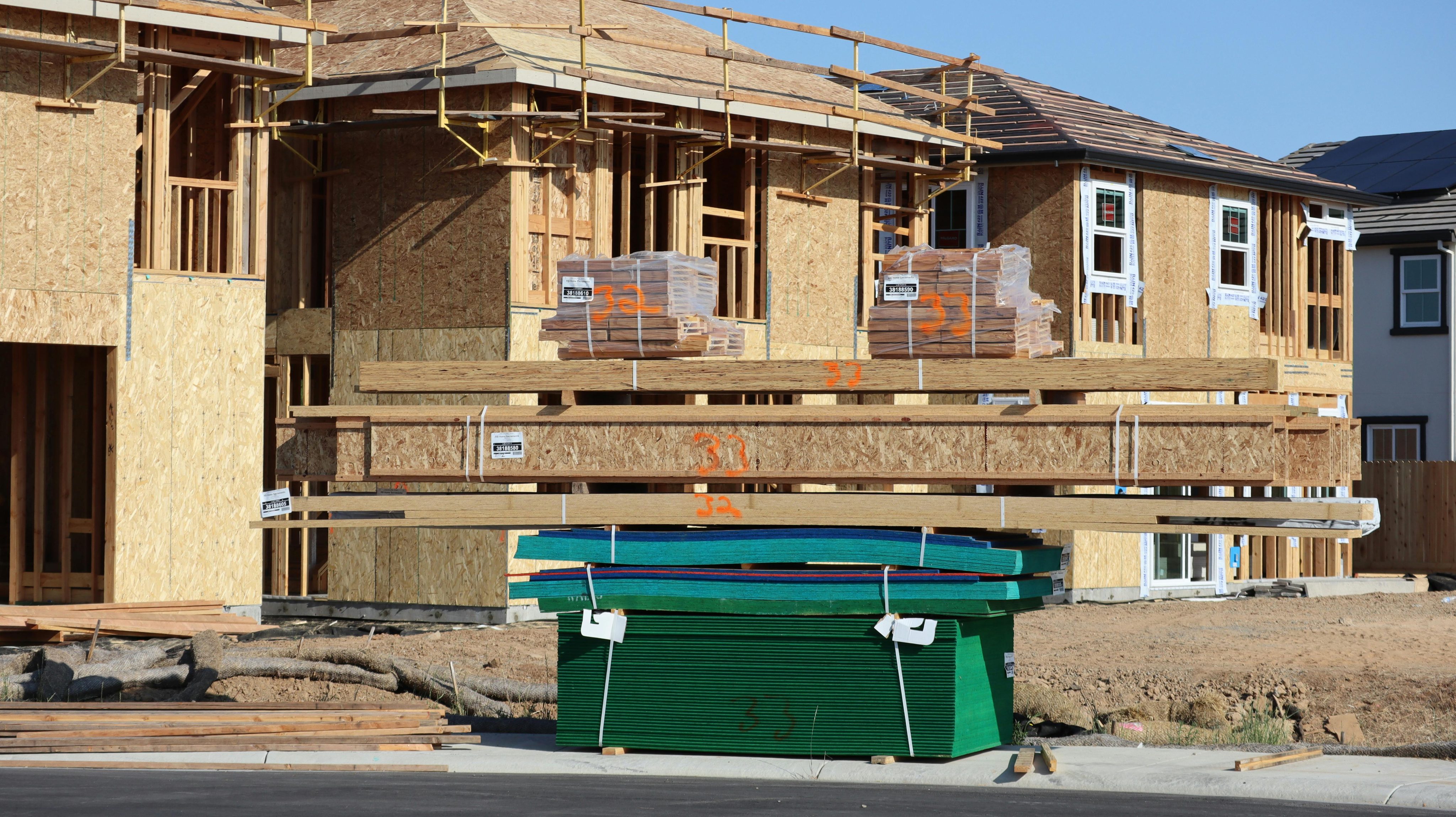
A new White House economic report has put a staggering number on one of the biggest issues in U.S. real estate: the country is short by roughly 10 million homes.
That figure is far larger than many previous estimates and underscores just how deep the housing imbalance has become. More importantly, it confirms that today’s affordability crisis is not simply the result of short-term market conditions—it is the outcome of a long-term structural problem that has been building for more than a decade.
A Decade-Long Supply Gap
The roots of today’s shortage trace back to the aftermath of the 2008 financial crisis.
Home construction slowed dramatically during that period and never fully recovered to its historical pace. According to the report, if homebuilding had continued at pre-2008 levels, the U.S. would have millions more homes available today—enough to close much of the current gap.
Instead, the country experienced years of underbuilding, even as population growth and household formation continued. Over time, that gap compounded into what is now a multi-million-unit shortfall.
This imbalance between supply and demand is now one of the most powerful forces shaping the housing market.
The Driving Force Behind High Prices
The consequences of this shortage are visible across the entire housing landscape.
With too few homes available, competition for existing properties has intensified, keeping prices elevated even as demand slows. Home values have risen significantly over the past two decades—far outpacing income growth—making it increasingly difficult for new buyers to enter the market.
At the same time, limited inventory has prevented the kind of price corrections that might normally occur when demand weakens. Even in a slower market, the lack of supply continues to support higher price levels.
This dynamic helps explain why affordability remains a challenge despite fluctuations in mortgage rates.
A Structural Problem—Not a Temporary One
Perhaps the most important takeaway from the report is that the housing shortage is not a short-term issue.
Unlike cyclical downturns driven by interest rates or economic slowdowns, this shortage reflects a structural supply failure. It is rooted in long-term trends, including reduced construction activity, regulatory barriers, and rising development costs.
Because of this, the problem cannot be solved quickly. Even if construction ramps up, it would take years of sustained building to close a gap of this magnitude.
This is why many economists view the housing shortage as a defining issue for the U.S. economy over the next decade.
The Role of Regulation and Policy
The report places significant emphasis on regulation as a contributing factor.
Zoning restrictions, permitting delays, building codes, and environmental regulations are all cited as adding substantial costs to construction and limiting the pace of new development. In some cases, these regulatory factors are estimated to add tens of thousands of dollars to the cost of building a home.
The White House argues that reducing these barriers could unlock a significant increase in housing supply. In fact, the report suggests that regulatory reform could enable the construction of more than 13 million homes, potentially exceeding the current shortage.
Such changes could also have broader economic benefits, including job creation and stronger overall growth.
Economic and Political Implications
The scale of the housing shortage has made it a central economic and political issue.
Housing affordability has become a growing concern for voters, particularly younger Americans who are increasingly priced out of homeownership. At the same time, policymakers face a difficult balancing act: increasing supply could improve affordability, but it may also put downward pressure on home values, which many existing homeowners rely on for wealth.
This tension is shaping the policy debate, with proposals ranging from deregulation and incentives for construction to reforms aimed at improving access to financing.
A Market Defined by Imbalance
The current housing market reflects this deep structural imbalance.
On one side, demand remains constrained by high costs and economic uncertainty. On the other hand, supply remains limited due to years of underbuilding and ongoing barriers to new construction.
This combination creates a market that is both tight and slow-moving:
- Prices remain elevated
- Inventory remains limited
- Affordability remains strained
Even as sales activity fluctuates, the underlying shortage continues to shape outcomes.