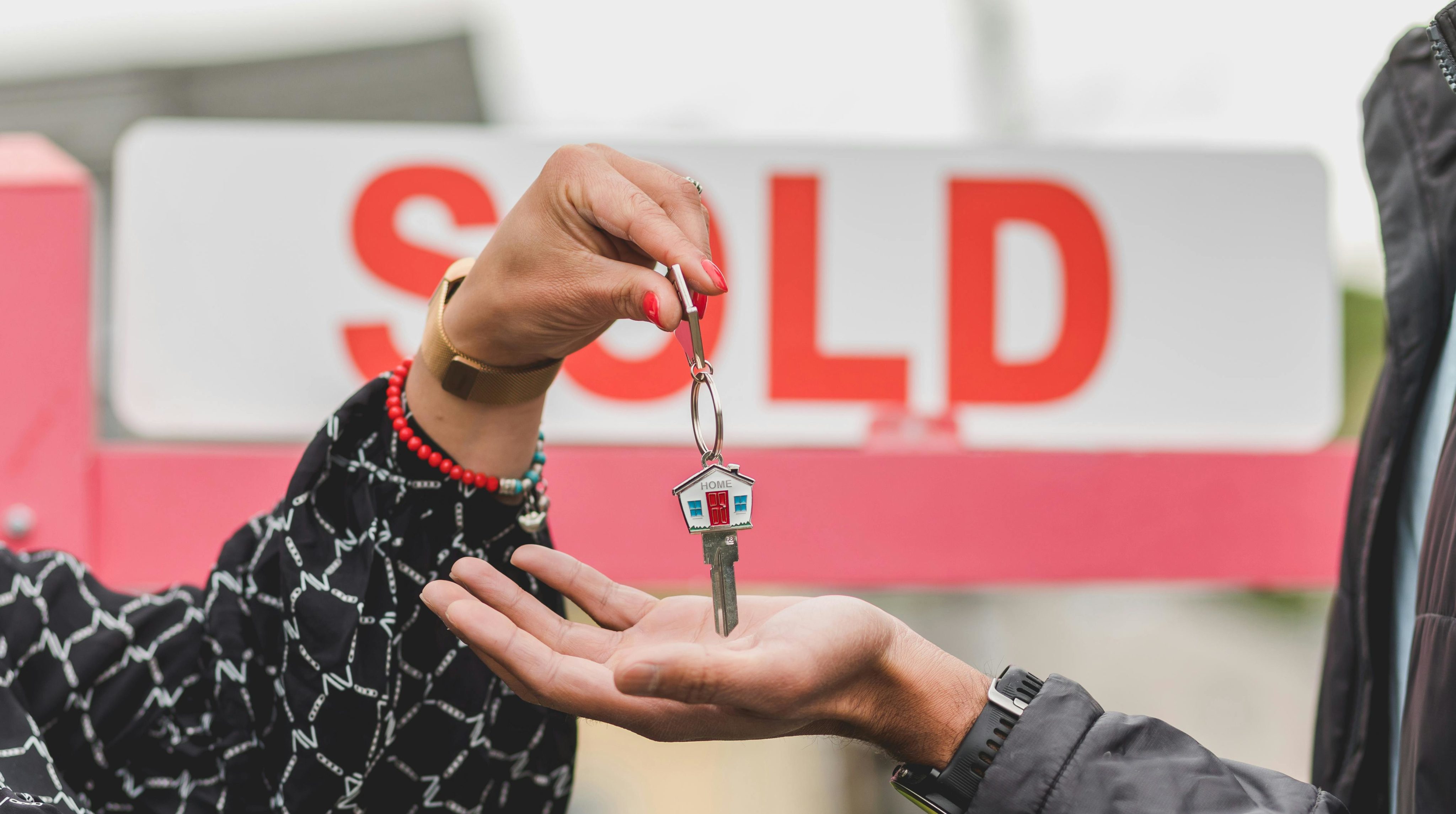
For millions of Americans trying to buy their first home, the challenge has shifted from difficult to historic.
A growing body of data shows that new buyers are now facing what analysts call the “new homeowner penalty”—a widening financial gap between those entering the market today and those who bought homes in earlier years. It’s a shift that is redefining affordability, delaying homeownership, and reshaping the future of the housing market.
At the center of this trend is a striking statistic: recent homebuyers are now spending about 26% of their income on housing, compared to roughly 20% for existing homeowners.
That six-percentage-point gap is the largest on record in decades, and it represents far more than just a number—it reflects a fundamental imbalance in how the housing market now operates.
A Growing Divide Between New and Existing Homeowners
The difference between new and existing homeowners has always existed, but it has never been this wide.
In previous decades, new buyers typically spent slightly more of their income on housing, but the gap remained manageable. Today, that gap has expanded dramatically due to a combination of rising home prices, higher borrowing costs, and increasing non-mortgage expenses.
For many existing homeowners, the story is very different. Those who bought during periods of low interest rates—especially between 2020 and 2021—locked in significantly lower monthly payments. Some were even able to refinance, further reducing their costs.
New buyers, by contrast, are entering the market at today’s prices and rates, with no such advantage.
The result is a housing market that increasingly favors those who already own homes, while placing a heavier financial strain on those trying to break in.
The Cost Explosion Behind the “Penalty”
Several factors have combined to create this affordability gap.
Home prices have risen sharply in recent years, increasing by roughly 24% since 2019, far outpacing income growth.
At the same time, mortgage rates have more than doubled from pandemic-era lows, moving from around 3% to well above 6%.
But the pressure doesn’t stop there. Buyers today are also dealing with:
- Larger down payments
- Higher property taxes
- Rising insurance costs
- Increased maintenance and closing expenses
These “hidden” and upfront costs are becoming a significant part of the affordability equation, making it harder for even financially stable households to enter the market.
Buyers Are Being Forced to Adapt
Faced with these challenges, buyers are adjusting their strategies in ways that reflect just how difficult the market has become.
Many are delaying homeownership altogether, choosing to rent longer while they save or wait for better conditions. Others are compromising—purchasing smaller homes, moving farther from city centers, or settling for properties that need renovation.
Even those who successfully buy often do so under financial strain. In some cases, monthly housing payments are dramatically higher than previous rent, forcing households to rethink budgets and long-term financial plans.
There is also a growing reliance on family support, whether through down payment assistance or co-signing arrangements, highlighting how access to homeownership is increasingly tied to financial resources and family wealth.
A Market That Favors the Wealthy
One of the most significant consequences of this trend is how it is reshaping who can participate in the housing market.
As affordability declines, higher-income and cash buyers are gaining a larger share of home purchases, while middle- and lower-income buyers are being pushed out.
This shift is contributing to a more unequal housing landscape, where homeownership—long seen as a key pathway to wealth—is becoming harder to access for a growing segment of the population.
Over time, this could have broader economic and social implications, including reduced mobility and widening wealth gaps.
Why the Problem Isn’t Going Away Soon
The “new homeowner penalty” is not expected to disappear quickly.
Even if mortgage rates decline, many experts believe that affordability challenges will persist due to limited housing supply and elevated home prices. In fact, lower rates can sometimes push prices higher, offsetting any potential savings for new buyers.
At its core, the issue comes back to supply. Without a significant increase in housing construction—especially at entry-level price points—the imbalance between supply and demand is likely to continue.
Policy solutions, such as zoning reform and incentives for building, could help over time. But those changes take years to have a meaningful impact.