



For much of the past few years, the conversation around housing affordability in New Hampshire has focused on familiar factors: home prices, mortgage rates, and limited supply. But as the market evolves in 2026, another cost is quietly moving into focus — one that doesn’t show up in listing prices, but directly affects what it costs to live in a home:
👉 Energy and utility costs.
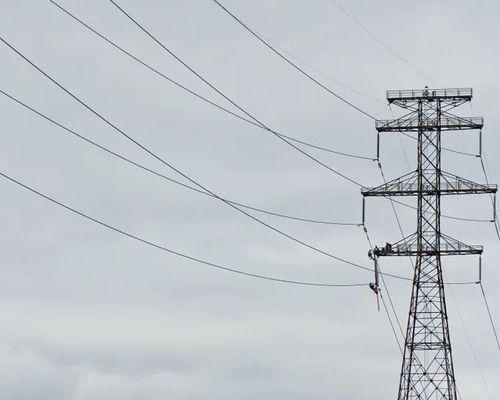
This is not yet the headline issue dominating the housing conversation, but it is becoming increasingly difficult to ignore. Across New England, including New Hampshire, utilities and regulators are discussing new infrastructure investments, grid upgrades, and long-term energy reliability — all of which carry cost implications that ultimately flow down to homeowners and renters.
Why Energy Costs Are Rising Into the Housing Conversation
At a regional level, utilities are pushing for expanded investment in energy infrastructure. This includes modernizing transmission systems, improving grid reliability, and preparing for increased demand driven by electrification trends, population growth, and climate-related resilience needs.
These investments are necessary. Much of the energy infrastructure serving New England is aging, and future demand — especially from electric heating systems, electric vehicles, and growing residential use — will require a more robust and reliable grid.
However, these improvements come with a cost.
Utilities are seeking higher allowed returns on infrastructure investments, as well as approval for increased spending to fund upgrades. Over time, those costs are typically passed through to consumers in the form of higher electric and, in some cases, gas bills.
For homeowners, this represents a shift. Energy costs, once seen as a relatively stable part of monthly expenses, are becoming more variable — and in some cases, more significant.
The Expanding Definition of Housing Affordability
What makes this development particularly important is how it fits into the broader picture of housing affordability.
In today’s New Hampshire market, affordability is no longer defined by mortgage payments alone. It now includes a full range of ongoing costs:
- Property taxes
- Insurance
- Maintenance
- And increasingly, utilities and energy consumption
Even modest increases in monthly utility bills can meaningfully impact total housing costs — especially in a state where winters are long and heating demand is high.
For buyers already stretching budgets to purchase a home, rising energy costs can further tighten affordability. For renters, these increases may be reflected in higher rents or additional expenses that are not always immediately visible during the leasing process.
Implications for Development and New Construction
The impact of rising energy and utility costs is not limited to existing homeowners. It is also beginning to influence development decisions.
For builders and developers, infrastructure availability and cost have always been key considerations. But as energy systems require upgrades or expansion, those considerations are becoming more complex.
In some cases, projects may face higher upfront costs to connect to utilities or meet new efficiency and infrastructure standards. In others, uncertainty around future utility pricing may affect long-term project feasibility — particularly for developments aimed at workforce or entry-level housing, where margins are already tight.
Energy constraints can also act as a limiting factor in certain regions. If infrastructure capacity is insufficient or requires significant upgrades, it can delay or complicate new housing projects, even in areas where zoning allows for development.
A Quiet but Growing Influence on Buyer Behavior
While energy costs may not yet be the first question buyers ask, they are increasingly part of the decision-making process.
More buyers are beginning to consider:
- Heating systems and efficiency ratings
- Insulation and long-term operating costs
- The difference between electric, gas, and alternative energy sources
Homes with higher efficiency, newer systems, or lower projected utility costs may gain a competitive edge — particularly as buyers become more cost-conscious.
At the same time, properties with older systems or higher expected utility expenses may require more careful pricing or additional explanation during the sales process.
Why This Trend Matters Now
The reason this issue is gaining importance in 2026 is not because of a sudden spike in energy costs, but because of cumulative pressure.
New Hampshire homeowners are already dealing with:
- Elevated home prices
- Significant property tax variation
- Rising insurance costs
As these pressures add up, energy costs — even if they increase gradually — become more impactful.
In other words, it’s not just about how much each cost rises, but how all of them combine to shape the total cost of living in a home.
The Bigger Picture
Energy and utility costs represent the next layer of complexity in an already challenging housing environment.
They highlight a broader shift in the market — one where affordability is being shaped not just by supply and demand, but by a combination of structural factors, including infrastructure, policy, and long-term cost trends.
For New Hampshire, a state with cold winters, aging infrastructure, and increasing demand for housing, this issue is likely to become more prominent over time.
What This Means for Real Estate Professionals
For those working in real estate, this trend reinforces the importance of understanding the full financial picture of homeownership.
Clients are no longer just evaluating purchase price — they are evaluating the sustainability of ownership. That includes monthly payments, long-term costs, and potential future increases in expenses.
Being able to speak to energy efficiency, utility trends, and total cost of ownership is becoming an increasingly valuable part of the conversation.