



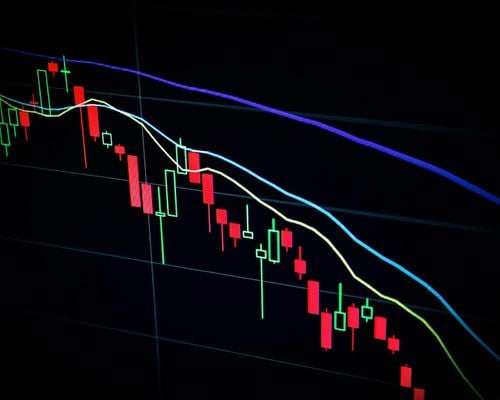
Financial markets showed signs of relief on September 3, 2026, as stocks and bonds recovered from several days of pressure caused by rising Treasury yields, higher oil prices and renewed inflation concerns. Investors are now focused squarely on the U.S. jobs report due Friday, September 4, which could influence the Federal Reserve's next interest-rate decision.
Markets have shifted significantly in recent days. Traders are now pricing in nearly a 66% chance of a Fed rate hike this month, up from about 37% just one week ago. The change reflects growing concerns that inflation could remain elevated, particularly as higher energy prices add another source of pressure.
Treasury yields are also playing a major role. The 10-year Treasury yield recently climbed to around 4.8%, approaching the closely watched 5% level. Higher long-term yields can put pressure on stocks while increasing borrowing costs for businesses and consumers.
For the housing market, this is particularly important. Mortgage rates are heavily influenced by longer-term Treasury yields, meaning they can remain elevated even when the Federal Reserve leaves its benchmark rate unchanged. If Treasury yields continue rising, buyers could face higher monthly payments and reduced purchasing power.
Oil prices are adding another complication. Renewed tensions involving the United States and Iran have raised concerns about energy supplies and the potential for another inflationary shock. Higher fuel and transportation costs could make it harder for the Fed to ease monetary policy.
Fed Chair Kevin Warsh's recent comments at Jackson Hole have also contributed to the more hawkish outlook, with investors now paying closer attention to whether policymakers believe additional tightening may be necessary.
The next major signal comes Friday.
A weaker-than-expected jobs report could reduce expectations for another rate hike, while a strong employment report could reinforce the case for keeping rates higher for longer. Either outcome could quickly move Treasury yields, mortgage rates and financial markets.
For buyers, sellers and homeowners, the key takeaway is simple: watch Treasury yields and inflation, not just the Fed's headline rate decision. Those forces will continue to play a major role in determining where mortgage rates go next.
For now, September's market volatility is a reminder that the cost of borrowing remains one of the most important economic stories of 2026.
Discussion
Thoughts from readers and local market watchers.