



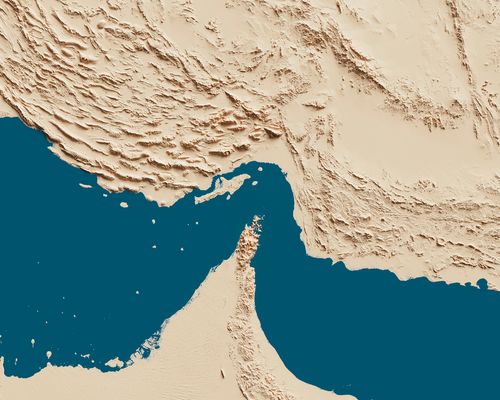
The shipping crisis around the Strait of Hormuz has intensified as the United States and Iran exchange attacks on oil tankers and other vessels, sharply reducing commercial traffic through one of the world's most important energy routes.
Iran said Wednesday that it had attacked 10 vessels near the Strait of Hormuz after U.S. forces destroyed five Iranian oil tankers. The attacks represented the largest wave of strikes against shipping since the six-month conflict began. At least one seafarer was reported killed and another was missing.
The United Kingdom Maritime Trade Operations agency also reported several merchant vessels hit by disabling fire in the northern Gulf and Gulf of Oman. A tanker carrying about 2 million barrels of fuel oil was also reported on fire after a drone strike in Iraqi waters.
Shipping Traffic Plunges
The latest attacks have pushed commercial shipping through Hormuz to extremely low levels.
Only seven vessels passed through the Strait of Hormuz on Wednesday, down from 12 the previous day and well below the 10-day average of 14, according to preliminary ship-tracking data. No liquefied natural gas tankers exited the strait.
Before the conflict, the waterway carried roughly one-fifth of the world's oil and liquefied natural gas supplies, making the disruption a major concern for energy markets and international trade.
The decline in traffic is also affecting shipping companies, which must weigh the risks to crews and cargo against the importance of maintaining deliveries.
Oil Prices Rise Above $100
The disruption has already reached global energy markets.
Brent crude rose above $100 a barrel, reaching its highest level since July as investors reacted to the attacks and concerns over further supply disruptions. U.S. crude also climbed sharply.
Higher oil prices can quickly affect transportation, manufacturing and consumer prices. A prolonged disruption could therefore add to inflation pressures in countries that depend heavily on imported energy.
The impact is particularly significant for major Asian economies, which receive substantial energy supplies through the Gulf.
Risk Extends Beyond Hormuz
The crisis is also spreading across other important shipping routes.
Iran-aligned Houthi forces have intensified attacks against Saudi Arabia, including strikes that damaged oil facilities and injured dozens of people. The developments have raised concerns about shipping through the Red Sea and the Bab el-Mandeb Strait, another important route for global trade and energy shipments.
The combination of disruptions around Hormuz and the Red Sea increases the risk of longer shipping routes, higher insurance costs and rising transportation expenses.
A Growing Global Economic Risk
The latest escalation shows how quickly military conflict can become a global economic problem.
The Strait of Hormuz is not simply a regional shipping route. It is a critical link in the world's energy supply chain. Continued attacks could reduce oil and gas shipments, increase fuel prices and add pressure to already-sensitive inflation rates.
Businesses are also facing greater uncertainty over transportation and energy costs, while governments may need to consider additional measures to protect critical supplies.
For now, shipping through Hormuz remains far below normal levels. Unless the United States and Iran can reduce military tensions and restore confidence among commercial operators, the disruption is likely to remain a major risk for global energy markets.
The longer the crisis continues, the greater the possibility that a regional shipping conflict becomes a broader global economic problem.
Discussion
Thoughts from readers and local market watchers.