



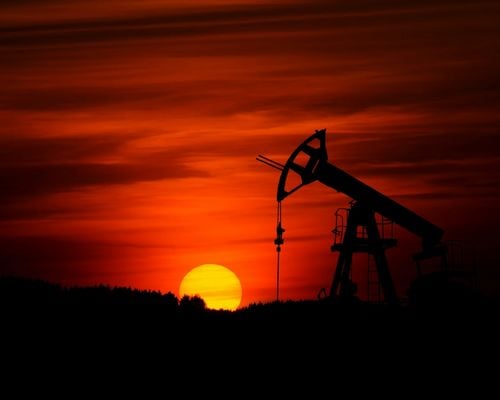
Oil prices are climbing again, creating another potential headache for the Federal Reserve as inflation remains above its target.
Brent crude rose above $102 a barrel on October 8, as attacks on oil tankers in the Gulf and Strait of Hormuz raised concerns about further disruptions to global energy supplies. The Strait of Hormuz normally handles roughly 20% of global oil shipments, making any prolonged disruption a major concern for markets.
The timing is particularly important for the U.S. economy. Higher oil prices can quickly feed into gasoline, transportation and other costs, making it harder for inflation to continue cooling.
The Federal Reserve is already facing a difficult balancing act. While markets have reduced expectations for an October rate hike, investors are still expecting the central bank to keep interest rates elevated and potentially raise them again before the end of the year. Rising energy prices could make that decision even more difficult.
There is also a second supply concern developing in the U.S. Hurricane Isaias is forcing oil companies to shut down portions of Gulf of Mexico production, adding pressure to an already tight energy market. U.S. crude inventories also fell by 3.2 million barrels last week.
For consumers and the housing market, higher oil prices can have a broader impact than just the price at the gas pump. Persistent energy inflation could keep overall inflation elevated, limit the Fed’s ability to lower rates and keep borrowing costs higher for longer.
For homebuyers, that means the path toward meaningfully lower mortgage rates could become more difficult if energy prices remain elevated.
Oil is once again becoming an important piece of the inflation story—and investors will be watching closely to see whether the current supply disruptions are temporary or the beginning of a longer-lasting energy shock.
Discussion
Thoughts from readers and local market watchers.