



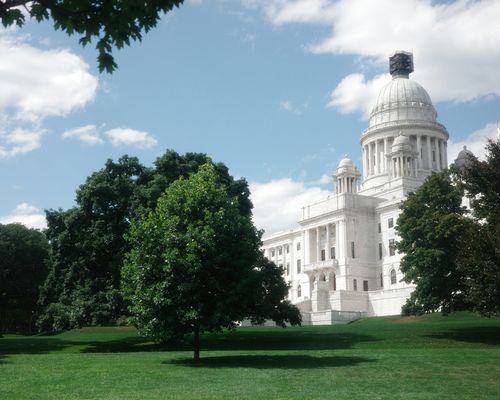
Rhode Island voters have approved another $120 million in housing funding, giving the state additional borrowing authority to support affordable housing construction, redevelopment and homeownership opportunities.
Question 2 passed during the November 3 general election, with approximately 61% voting in favor and 39% opposed, according to unofficial results from the Rhode Island Board of Elections. The approval comes two years after voters backed a separate $120 million housing bond in 2024.
Where Will the Money Go?
The newly approved bond will support projects aimed at increasing and preserving the availability of affordable and accessible housing throughout Rhode Island.
At least $25 million must go toward housing intended for homeownership, while up to $10 million can support public housing development. Other funding can support construction, rehabilitation, property acquisition and infrastructure improvements tied to housing projects.
The money will not be distributed immediately. State officials must issue the bonds and establish the programs and funding allocations for eligible developments.
Another Investment Amid Questions About Costs
The approval comes as Rhode Island continues to face high construction costs, limited housing inventory and affordability challenges.
The previous $120 million housing bond approved in 2024 also faced scrutiny over how much housing it produced. A report from the Rhode Island Public Expenditure Council found that $52.2 million in public funding had supported 200 new rental units as of April 2026, averaging more than $512,000 per unit.
State housing officials disputed the assessment, arguing that it did not fully account for infrastructure, rehabilitation and other expenses involved in affordable housing development.
The latest approval gives the state another opportunity to expand its housing programs while keeping development costs and project outcomes under public scrutiny.
What It Could Mean for Homeownership
The dedicated homeownership funding could help support entry-level housing projects and create additional opportunities for buyers who have struggled with rising prices.
For developers, the bond creates another potential source of financing for qualifying projects. However, the actual impact will depend on how quickly the state distributes the money, which developments receive awards and how many proposed homes ultimately reach completion.
Discussion
Thoughts from readers and local market watchers.