



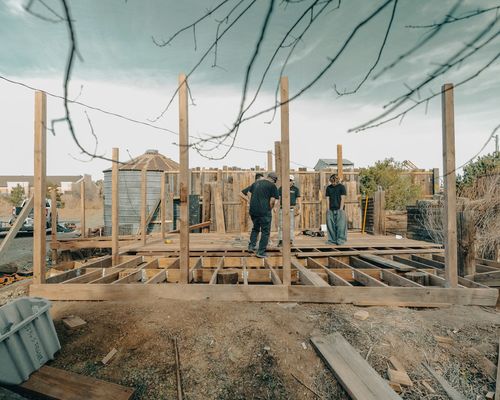
America's housing shortage could become even harder to solve as homebuilders begin scaling back plans for future construction. New federal data shows that single-family building permits fell sharply in October, signaling that fewer new houses could be entering the construction pipeline in the months ahead.
According to the U.S. Census Bureau and Department of Housing and Urban Development, single-family building permits dropped 8.7% in October to an annualized rate of 772,000, the lowest level since January 2023. Permits were also down 12.9% compared with October last year.
The decline comes despite a modest improvement in actual construction activity, highlighting the growing uncertainty facing the homebuilding industry.
Higher Costs and Weak Demand Pressure Builders
Single-family housing starts increased 4% in October to an annualized rate of 864,000 units. However, construction remained 3.2% below the same period last year.
Builders are facing several challenges simultaneously. Mortgage rates above 7% have made new homes harder for buyers to afford, while higher material costs, labor shortages, and economic uncertainty are putting additional pressure on development budgets.
The National Association of Home Builders also reported that builder confidence fell to a more than 14-year low in November, reflecting concerns about affordability and weaker buyer demand.
With fewer buyers willing to commit to new homes, builders have increasingly relied on price reductions and incentives to move existing inventory.
Why Fewer Permits Matter for the Housing Market
Building permits provide an important indication of where future construction activity is heading. While a permit does not guarantee that a home will eventually be built, a sustained decline can signal that developers are becoming less confident about starting new projects.
That creates a potential problem for housing affordability. The country needs more homes to address its long-term supply shortage, but builders cannot continue expanding production if buyers cannot afford what they are building.
For buyers, fewer new construction projects could eventually mean less competition among builders and fewer opportunities to find newly built homes. For existing homeowners, slower construction could also limit future inventory and help support property values in supply-constrained markets.
What Comes Next?
The October figures reveal a housing industry caught between two competing realities: America needs more homes, but the cost of building and financing them remains high.
If building permits continue declining, the slowdown could create another obstacle to expanding the nation's housing supply in 2027. Even if mortgage rates eventually improve, a weaker construction pipeline could make it difficult for builders to respond quickly to renewed demand.
Discussion
Thoughts from readers and local market watchers.