


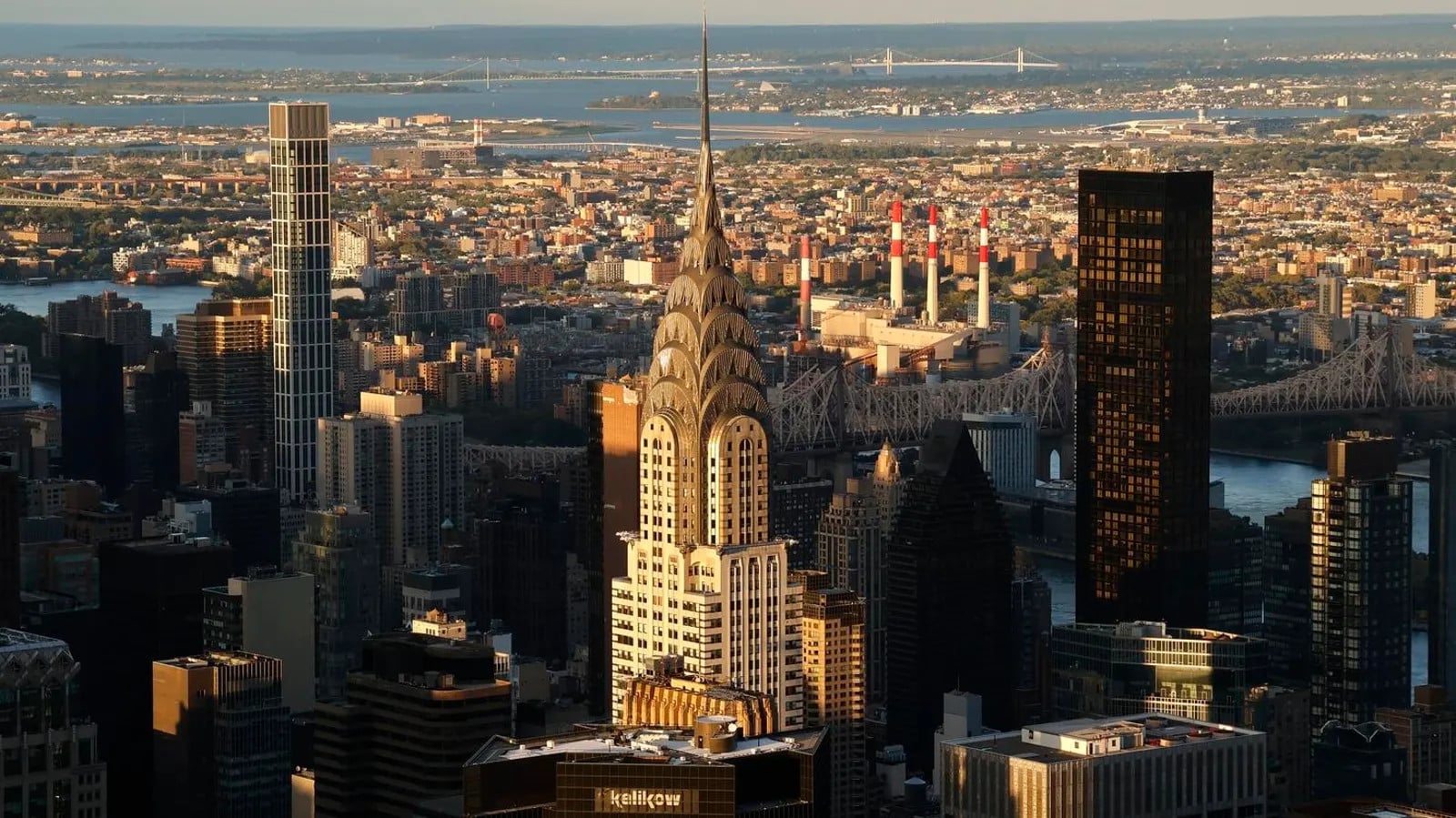
For decades, the Chrysler Building has stood as one of New York City’s most iconic skyscrapers — a gleaming Art Deco masterpiece that helped define the city’s skyline and symbolized an era of ambition and architectural daring. But in recent years, the future of the 77‑story Midtown Manhattan landmark has been anything but certain.
As of early February 2026, a new buyer may be emerging to take on this crown jewel of New York real estate — setting the stage for a dramatic shift in the building’s ownership and potentially, its fortunes. Per recent reporting, major real estate firm Tishman Speyer is in advanced talks to reacquire the property, subject to negotiations over steep ground lease costs and the significant maintenance the building needs.
The Story So Far: A Ground Lease That Weighed Down Ownership
Unlike most skyscrapers, the Chrysler Building sits on land owned by Cooper Union, a private college that purchased the plot in the early 20th century. Instead of transferring land ownership itself, the city opted for a ground lease, meaning the landowner collects rent from whoever controls the building above. That approach worked for decades — until ground rent escalated to a level few buyers found palatable.
In 2018, the annual ground rent jumped from about $7.75 million to $32.5 million. It’s scheduled to rise to $41 million by 2028. Those rising costs have been a central drag on the building’s market value and have plagued ownership for years.
The most recent ground leaseholder, RFR Holding, partnered with Signa Holding to operate the building, but defaulted on rent payments totaling over $21 million — triggering a court‑authorized eviction and leaving the property without a long‑term owner. Cooper Union took back control of the lease and tapped global broker Savills to find a new steward for one of New York’s most historic structures.
Tishman Speyer in the Lead — But It’s Complicated
Now comes the intriguing twist: Tishman Speyer, a heavyweight in commercial real estate and a former owner of the Chrysler Building, is reportedly the front‑runner to take back the helm. The firm, known for landmark transactions and hands‑on asset management, previously owned the building from 1997 until it divested its stake by 2019.
Industry reporting suggests Tishman Speyer is in “advanced talks” with Cooper Union to negotiate terms on the ground lease, an essential step before any sale or transfer can be finalized. Because of the escalating rent obligations and the building’s overall condition, restructuring the lease appears to be the key to making a deal workable.
Other firms — including SL Green and Savanna — showed interest at various points, but appear to have stepped back, narrowing the field and clearing room for Tishman Speyer’s bid.
Why This Matters
A change in ownership for the Chrysler Building isn’t just another skyscraper sale — it’s a bellwether for the broader New York office market and for how legacy assets are managed in an era of shifting work patterns and rising operational costs.
1. Historic Symbol Meets Modern Reality
The building, completed in 1930, is admired worldwide for its spire and ornamentation. But while its architecture endures, its office space is aging and less competitive with newer developments that offer modern amenities and efficient floor plates. Vacancy is about 14%, and tenants occasionally report maintenance challenges like elevator issues and dated facilities — reminders that even beloved properties need ongoing investment.
2. Ground Lease Economics Shape the Deal
The ground lease isn’t just a footnote — it’s a central financial reality. As rent escalates, any new owner would need terms that reflect market conditions and the income the building can realistically generate through office leases. Cooper Union holds all the leverage here, and how it structures the next lease could determine whether the Chrysler Building finally gets a stable, long‑term owner or continues to languish.
3. A Potential Reinvestment Might Benefit Midtown
If Tishman Speyer or another buyer completes a deal, it could lead to renewed investment in the building’s infrastructure and tenant mix. That would be a positive signal for Midtown East, a district that has experienced some office market softness since the pandemic, as remote/hybrid work patterns reshaped demand. Reinvigorating a landmark property like this might attract tenants and catalyze nearby leasing momentum.
What Comes Next
Negotiations are ongoing, and the ultimate terms — particularly regarding how the ground lease is structured — will ultimately determine whether a deal closes.
Cooper Union has significant leverage as a landowner, and while Savills is brokering the conversation, neither Cooper Union nor Tishman Speyer has publicly confirmed specifics. As of now, both sides are likely weighing how to balance historic value with financial feasibility — a common theme in New York’s complex real estate landscape.
For the wider market, a successful transfer could mean:
- Renewed confidence in trophy office properties,
- A blueprint for navigating onerous lease structures on legacy assets, and
- A renewed chapter for a building that has long symbolized New York’s economic and architectural achievements.