

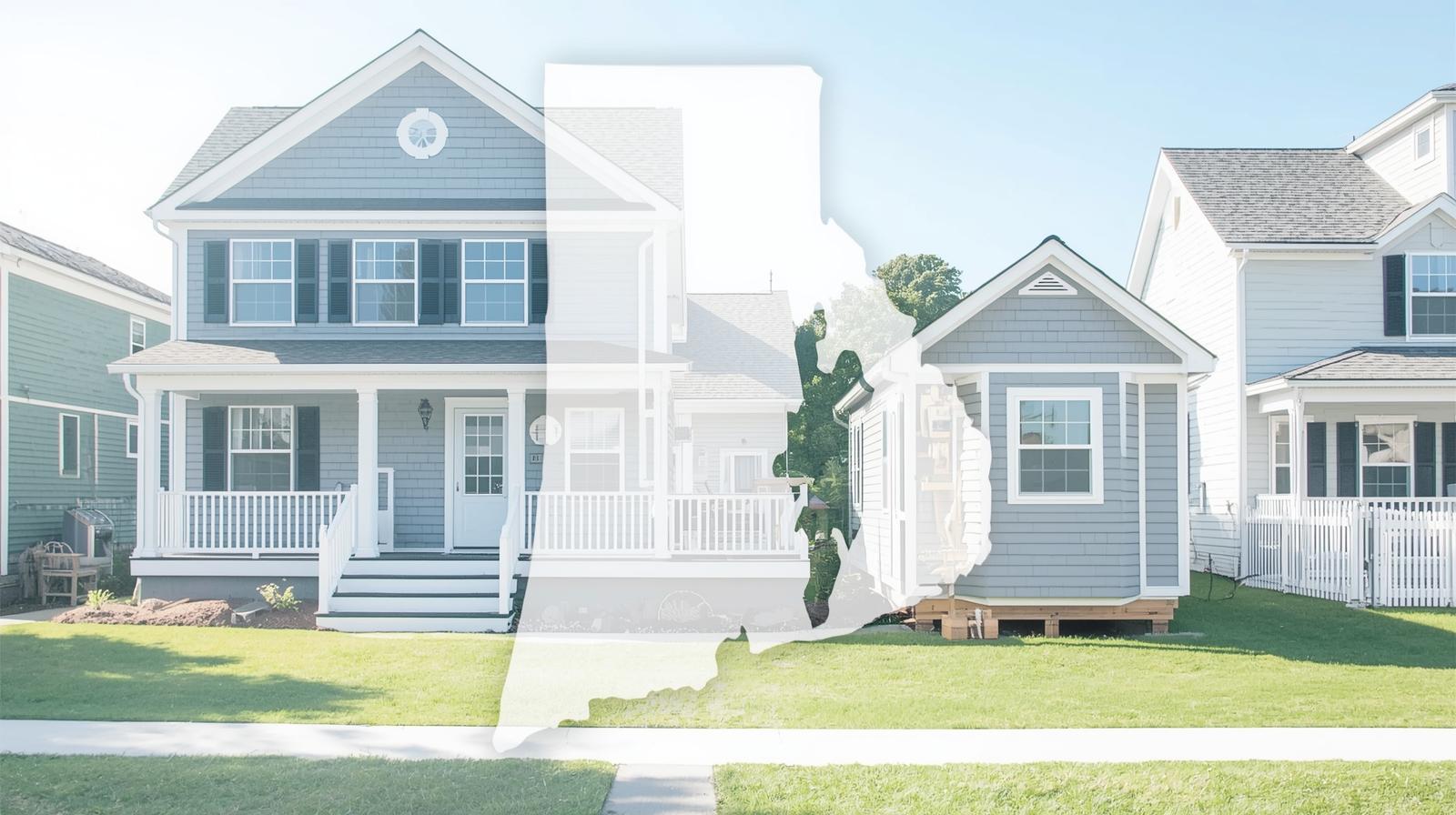
Accessory Dwelling Units — often called ADUs — were once touted as an underused but promising tool in Rhode Island’s housing strategy. Small, self‑contained living units built on the same lot as a primary home have the potential to expand housing supply, provide affordable rental options, and help homeowners generate income. ADUs can fit into existing neighborhoods without the scale or infrastructure demands of large developments, making them especially appealing in mature, built‑out communities.
Yet the latest state housing data tells a sobering story: in 2025, just 82 ADUs received certificates of occupancy across Rhode Island. That number is far below what many housing advocates and planners had hoped for — especially in the context of ongoing affordability pressures, limited inventory, and persistent demand for flexible living options.
For real estate professionals, this gap between policy intention and actual production offers critical insight into where supply constraints remain, even as stakeholders try to expand solutions beyond conventional new‑build housing.
The Promise of ADUs in Rhode Island’s Housing Strategy
ADUs have been included in Rhode Island’s broader Housing 2030 framework as a way to diversify the housing stock. The concept is straightforward: enable homeowners to add a second residential unit on their property — whether as a basement apartment, a garage conversion, a detached backyard cottage, or an upstairs suite — with minimal disruption to neighborhood character.
Supporters of ADUs argue that they can:
- Add flexible, lower‑cost rental supply without large developments.
- Provide an ownership pathway for aspiring buyers through shared land cost.
- Support aging in place or intergenerational living for families.
- Create passive income for homeowners, helping them stay in place.
Given these benefits, many housing advocates expected ADU production to ramp up once statewide policy encouragement was in place.
The Reality in 2025: Only 82 ADUs Completed
Despite the theoretical appeal and inclusion in statewide plans, the newly released report shows that only 82 ADUs were completed and received certificates of occupancy in 2025. That’s a modest number considering the scale of Rhode Island’s housing shortage and the relative simplicity of building an ADU compared with large multifamily projects.
Real estate industry observers have pointed out that this limited rollout highlights a key disconnect between policy goals and on‑the‑ground realities.
Why ADUs Are Not Taking Off as Expected
There isn’t a single reason for the slow ADU uptake — but rather a set of structural barriers that have persisted despite policy support:
1. Local Zoning and Ordinance Barriers
Even though the state encourages ADU construction, local zoning regulations vary widely from town to town, and many municipalities still have rules that make ADUs difficult to approve. Some of the most common hurdles include:
- Minimum lot size requirements that effectively exclude smaller parcels from ADU eligibility.
- Parking mandates that require additional off‑street spaces, adding cost and limiting where ADUs can be built.
- Restrictive design standards or administrative requirements that make permits onerous.
In many communities, local planning boards and zoning officials still lack clear guidance on ADU implementation, which can lead to inconsistent outcomes and longer approval timelines.
2. Regulatory Red Tape and Permitting Delays
Even where zoning theoretically permits ADUs, the permitting process can be slow and unpredictable. Builders and homeowners often encounter:
- Multiple layers of review (planning board, zoning board, building code).
- Confusing or outdated permitting requirements.
- A lack of standardized checklists or regulatory clarity.
These procedural inefficiencies not only lengthen timelines but also increase uncertainty, deterring homeowners and small developers from moving forward.
3. Construction Costs and Financial Barriers
While ADUs are generally smaller than traditional housing units, they are not immune to rising construction costs. In Rhode Island — as in much of the country — materials, labor, and site work costs have all increased sharply in recent years. Even modest ADU projects can stretch into the low six figures, making financing difficult for many property owners.
For many homeowners, the financial calculus simply doesn’t add up, especially if rental income is uncertain or if financing options are limited.
4. Limited Awareness and Support for Homeowners
Another factor slowing ADU adoption is that many homeowners simply haven’t been adequately informed about the program’s potential or how to navigate the process. Unlike major housing programs with state funding or developer involvement, ADUs often require homeowners to initiate, manage, and finance the project themselves — a daunting prospect for those unfamiliar with construction, zoning, or financing options.
What This Means for Realtors and Housing Professionals
The slow pace of ADU completion in Rhode Island — just 82 in 2025 — offers several clear takeaways for real estate professionals:
ADUs Are Still a Niche Market
While they are often discussed in policy circles, ADUs have not yet emerged as a mainstream housing supply solution. Listing agents, buyer’s agents, and property managers should recognize that most homeowners aren’t yet pursuing ADUs, and those that do may need significant support and education.
Regulatory Savvy Is an Asset
Agents who understand the permitting and zoning landscape — especially the nuances of local ADU regulations — can provide valuable guidance to clients interested in exploring these units. Being able to explain where ADUs are permitted, what hurdles exist, and what timelines to expect can differentiate services in competitive markets.
Affordability and Rental Strategy Conversations Will Continue
Even as ADU production lags, the underlying issues that made them appealing — tight supply, affordability pressures, and demand for flexible housing — are still front and center. Realtors should be prepared to discuss alternative strategies with clients, including:
- Duplex properties
- Multi‑family acquisitions
- Mixed‑use conversions
- Cooperative ownership models
ADUs may eventually become part of the solution, but for now, they remain one piece of a broader affordability puzzle.
What Could Help Unlock ADU Growth
To move from stagnant adoption toward real impact, several policy and practical shifts could help:
- Statewide Standardization: Clearer state guidelines that preempt overly restrictive local zoning.
- Streamlined Permitting: Simplified, uniform processes for ADU approvals across municipalities.
- Incentives or Grants: Financial tools for homeowners to offset construction and permitting costs.
- Education Campaigns: Outreach targeted at homeowners, builders, and real estate professionals.
Rhode Island has identified ADUs as part of its Housing 2030 strategy, but without these supporting measures, they risk continuing as a low‑impact, high‑potential housing tool rather than a meaningful supply contributor.