


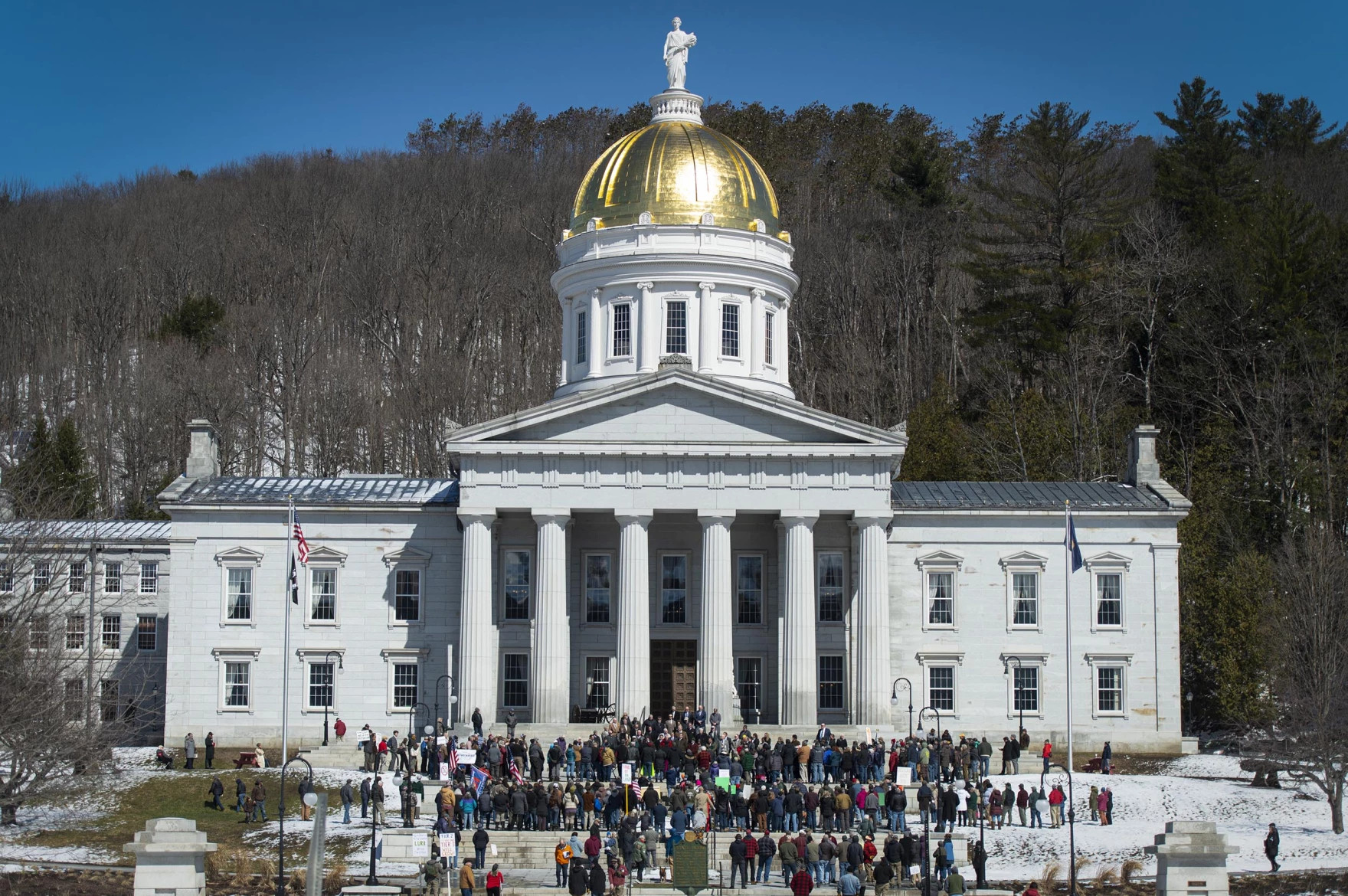
Vermont’s ongoing effort to reshape its land-use and development framework is entering a critical phase, as debate around Act 181 continues to intensify. What began as a policy initiative aimed at modernizing the state’s long-standing Act 250 law has now become one of the most closely watched and actively contested issues in Vermont real estate.
As of mid-April 2026, lawmakers are still working through the next steps of implementation, with negotiations evolving in real time. What has changed in recent weeks is the level of public engagement. Residents across the state — particularly in rural communities — are becoming more vocal, more organized, and more directly involved in shaping how this policy will ultimately take form.
A Reform Still Taking Shape
Act 181 was designed to address a difficult balancing act: increasing Vermont’s housing supply while protecting the state’s natural resources. The broader vision includes encouraging development in areas with existing infrastructure — such as downtowns and village centers — while limiting growth in environmentally sensitive regions like forests, wetlands, and headwaters.
In theory, the approach aims to create a more efficient and sustainable development pattern. In practice, however, it has raised complex questions about land use, property rights, and the future of housing across different parts of the state.
Rather than moving forward on a fixed timeline, lawmakers are now revisiting key elements of the policy. Discussions are ongoing, and potential adjustments or compromises remain on the table.
Public Engagement Is Reshaping the Conversation
One of the most notable developments in recent weeks has been the surge in public participation.
Residents, landowners, and local officials have increasingly stepped forward to express concerns about how Act 181 could affect their communities. Public meetings, organized feedback efforts, and direct communication with legislators have all played a role in slowing down and reshaping the process.
At the heart of this engagement are a few recurring concerns.
Many rural residents worry about the long-term impact of land-use restrictions on their ability to build, sell, or develop property. Others are concerned about how environmental mapping could limit flexibility, particularly in areas where land has historically been used for housing or small-scale development.
There are also broader concerns about displacement and affordability. If development becomes more concentrated in certain areas, some fear it could increase pressure on those markets while limiting options elsewhere.
These concerns have not stopped the policy process, but they have clearly influenced its pace and direction.
The Core Tension: Growth vs. Protection
The debate around Act 181 reflects a larger challenge that Vermont continues to face.
On one side is the need for more housing. The state has a well-documented shortage of homes, affecting affordability, workforce stability, and economic growth. Expanding housing supply remains a priority for policymakers, businesses, and communities alike.
On the other side is Vermont’s strong commitment to environmental protection. The state’s identity and long-term sustainability are closely tied to its natural landscapes, and there is broad support for preserving those resources.
Act 181 attempts to reconcile these priorities, but the tension between them is not easily resolved. Each adjustment to policy has implications for both housing availability and environmental impact, and finding the right balance requires careful negotiation.
What This Means for Real Estate Professionals
For realtors, developers, and investors, the current situation is less about immediate outcomes and more about evolving conditions.
The most important takeaway is that Vermont’s land-use rules are still in flux. With lawmakers actively revisiting aspects of Act 181 and public input continuing to shape decisions, the regulatory environment remains uncertain.
That uncertainty affects how and where development may occur in the coming years.
Areas designated for growth — particularly those with existing infrastructure — may continue to see stronger support for new housing. At the same time, regions subject to stricter environmental protections could face additional limitations, potentially constraining supply.
For real estate professionals, this reinforces the importance of staying informed at the local level. Policy changes are unlikely to affect every town equally, and understanding how specific communities are positioned within the evolving framework will be key.
A Market Influenced by Policy in Real Time
What makes the current moment unique is how directly policy discussions are influencing the real estate landscape.
In many markets, supply and demand drive most changes. In Vermont, those forces are now being shaped alongside active legislative decisions about zoning, development, and land use.
That creates a dynamic where future inventory is not just a function of market conditions, but also of regulatory outcomes that are still being decided.
For buyers and sellers, this may not be immediately visible in day-to-day transactions. But over time, these policy decisions will influence where homes can be built, how quickly projects move forward, and how supply is distributed across the state.