


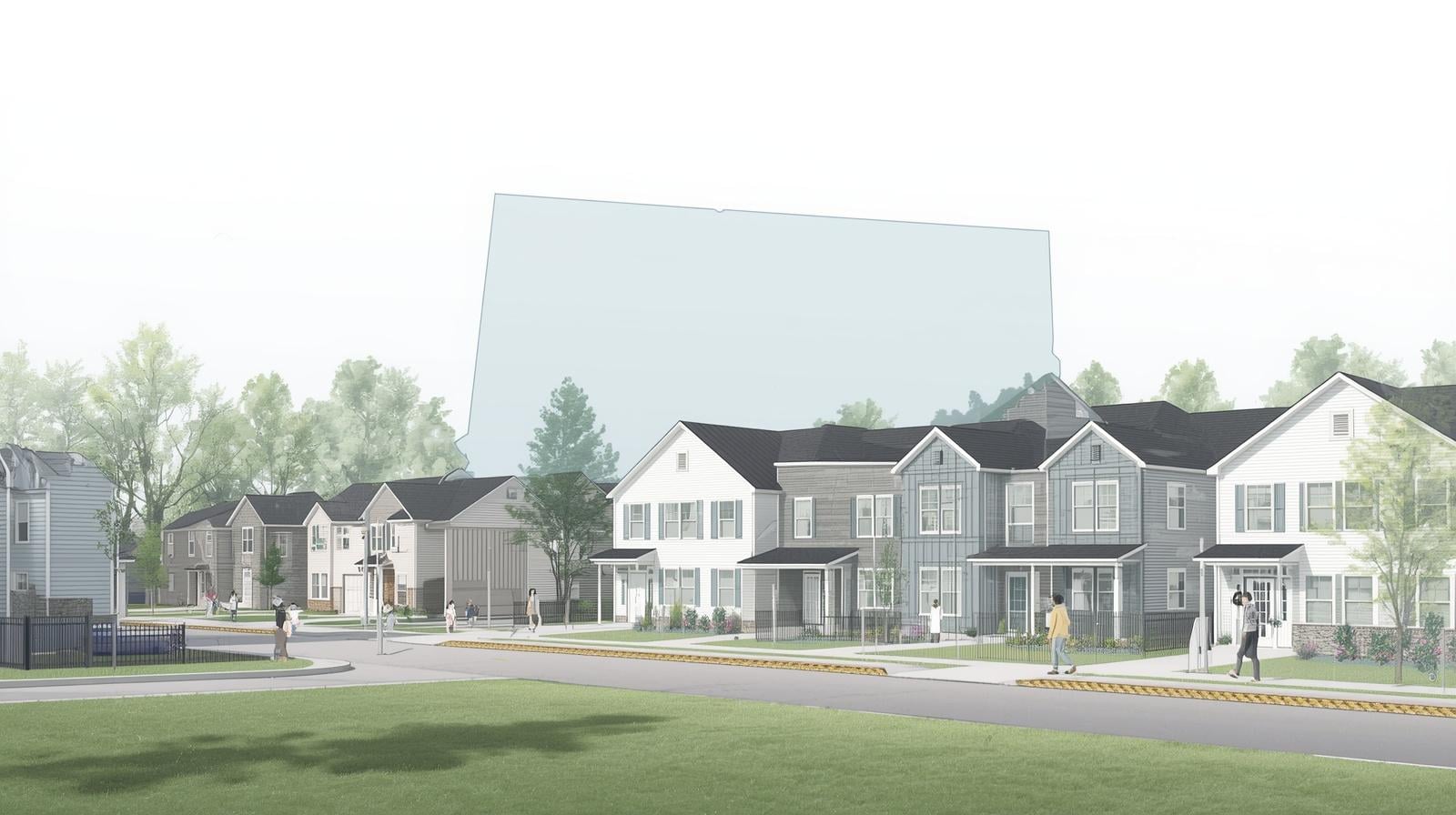
A proposed 100-unit affordable housing development in Woodbridge, Connecticut, is quickly becoming one of the latest flashpoints in the state’s ongoing housing debate — illustrating the growing tension between development needs, local concerns, and statewide housing mandates.
Per the New Haven Register, the project — known as Beecher Bridge Commons — would be built on a 6.2-acre site at 27 Beecher Road, a largely undeveloped property that includes historic structures and sits near environmentally sensitive areas.
If approved, it would mark the first development in Woodbridge under Connecticut’s 8-30g affordable housing statute, a law that allows developers to bypass certain local zoning restrictions if towns lack sufficient affordable housing.
Project Overview: A First for Woodbridge
The proposed development includes a mix of unit types — from studios to three-bedroom apartments — designed to serve a range of household needs. The scale of the project is notable for a town like Woodbridge, which has historically been characterized by low-density, single-family zoning and limited multifamily housing.
That context is important. Woodbridge is one of the more affluent communities in the New Haven area, and like many similar towns across Connecticut, it has long faced criticism for having very limited affordable housing stock.
This proposal, if approved, would represent a significant shift in the town’s housing landscape.
Local Opposition Centers on Environment and Infrastructure
Despite the state’s push for more housing, the project has generated strong opposition from nearby residents.
Concerns raised by neighbors focus heavily on environmental and site-specific issues. The proposed development sits near wetlands and within a watershed area, leading to fears about stormwater runoff, drainage problems, and potential impacts on surrounding properties.
Some residents have even hired their own experts — including engineers and environmental specialists — to challenge the developer’s findings and present alternative analyses of the site conditions.
Infrastructure concerns are also a major part of the debate. Opponents argue that a project of this scale requires stronger support systems, including sidewalks, transportation access, and community services, which they believe are currently lacking in the area.
Importantly, many residents have emphasized that they are not opposed to affordable housing itself, but rather to the specific location and design of this project.
The Role of Connecticut’s 8-30g Law
At the center of the controversy is Connecticut’s 8-30g statute, one of the most influential housing laws in the state.
The law allows developers to override local zoning restrictions in towns where less than 10% of housing qualifies as affordable. In those cases, municipalities must prove that rejecting a project is necessary to protect substantial public interests — such as health, safety, or environmental concerns.
For developers, this law creates a powerful pathway to build housing in communities that might otherwise restrict multifamily development. For towns, it often limits their ability to deny proposals outright.
The Woodbridge project is a clear example of how 8-30g continues to shape real estate development across Connecticut.
A Broader Pattern of Housing Conflict
The situation in Woodbridge is not unique. In fact, it reflects a broader trend seen throughout the state:
- Affluent suburban towns with restrictive zoning
- Growing demand for affordable and multifamily housing
- Increasing use of 8-30g to bypass local barriers
- Strong community pushback tied to environmental and infrastructure concerns
Recent history in Woodbridge itself underscores this pattern. The town has already faced controversy over other multifamily proposals and has even rolled back zoning changes after public opposition.
These recurring conflicts highlight how difficult it can be to balance local control with statewide housing goals.
What This Means for Real Estate Professionals
For real estate agents, investors, and developers, the Woodbridge proposal offers important insight into the current Connecticut market.
First, it reinforces that affordable housing is one of the most active and contested sectors in real estate today. Projects are moving forward, but rarely without resistance.
Second, it shows that zoning knowledge is critical. Opportunities increasingly depend on understanding how laws like 8-30g interact with local regulations and how projects navigate approval processes.
Finally, it highlights the importance of location. Even when housing demand is clear, environmental constraints, infrastructure limitations, and community sentiment can significantly influence project outcomes.
The Bigger Picture: A State in Transition
Connecticut is in the middle of a long-term shift in how housing is developed and distributed.
On one side, there is a strong demand for more affordable housing and a push from the state to increase supply. On the other hand, communities are seeking to preserve their character, manage growth, and address legitimate concerns about infrastructure and environmental impact.
Projects like Beecher Bridge Commons sit directly at the intersection of these competing priorities.