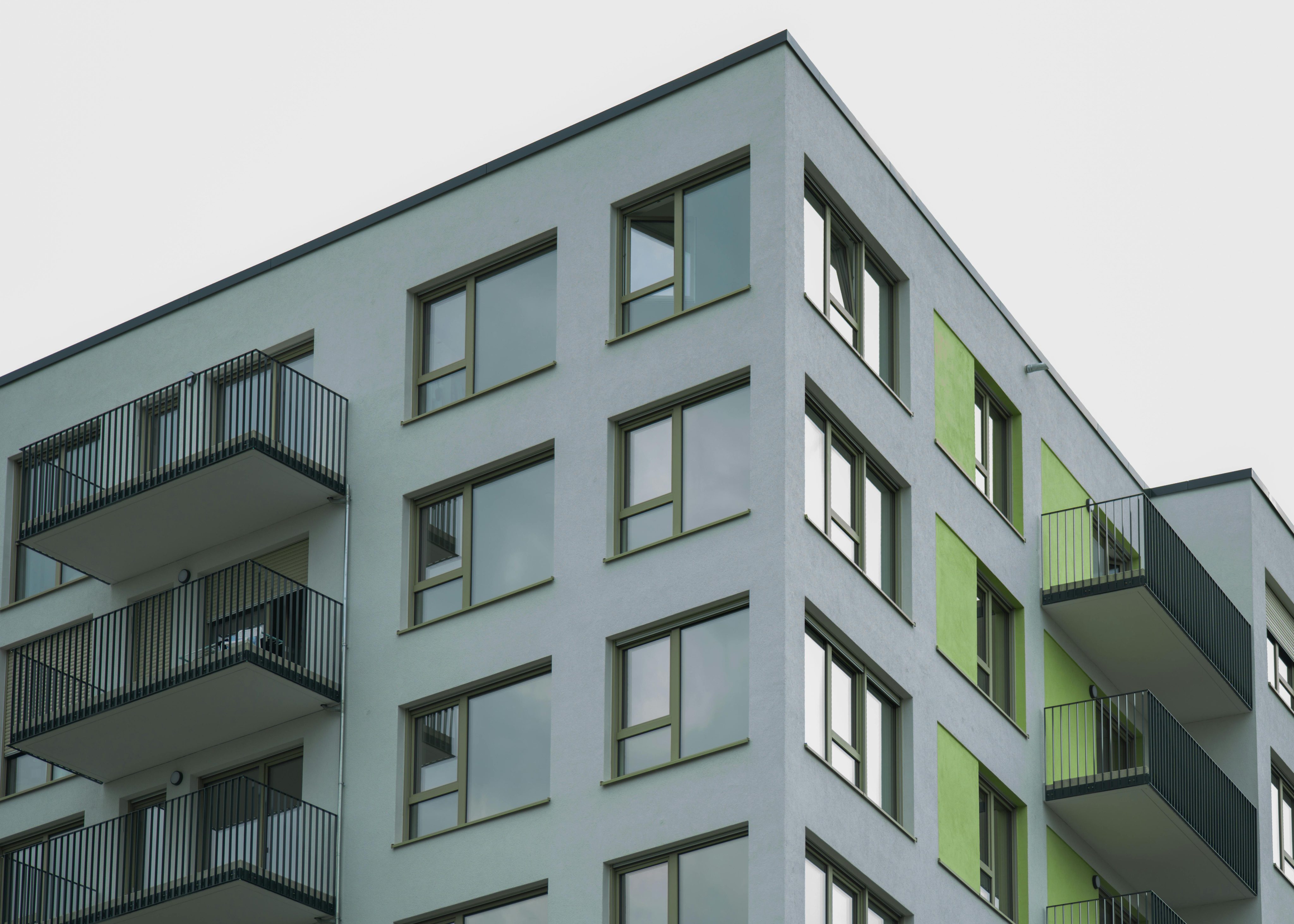
A newly approved apartment expansion in southeastern Connecticut is putting a spotlight on one of the state’s most persistent real estate challenges: a growing mismatch between housing supply and demand.
Per CT Insider, officials in Stonington have approved a plan to expand the Harbor Heights apartment community, adding 44 new units to what is already the largest residential development in the area.
Located near Mystic, the development will mark the third phase of Harbor Heights, which currently includes hundreds of units built across earlier phases. Construction is expected to begin soon, with completion projected around 2027.
While the project itself is significant, its broader implications for Connecticut’s housing market are even more important.
A Project Driven by Economic Growth
The expansion is not happening in a vacuum. It is being driven by strong regional economic activity, particularly tied to hiring at General Dynamics Electric Boat, one of the area’s largest employers.
As Electric Boat continues to ramp up hiring across southeastern Connecticut and neighboring Rhode Island, demand for housing has surged — especially in coastal communities like Mystic and Stonington.
At the same time, Mystic’s appeal as a tourism and lifestyle destination has created additional demand from seasonal residents and second-home renters, adding another layer of pressure to an already tight market.
The result is a housing environment where supply is struggling to keep up with multiple sources of demand at once.
A Tight Market With Limited Options
Despite a wave of new development across eastern Connecticut, available housing in the Mystic area remains extremely limited.
Recent listings show:
- Fewer than three dozen rental options in the immediate Mystic area
- Home prices largely concentrated between $1 million and $6.5 million
- Apartment rents ranging from about $2,000 to over $4,200 per month, depending on unit size
These numbers highlight a key issue: even as new units are added, affordability remains a major concern.
According to regional data, roughly 40% of renters in the Stonington area are spending more than 30% of their income on housing, a commonly used threshold for financial strain.
For many local workers — including those employed in tourism, service industries, and even defense-related jobs — finding attainable housing has become increasingly difficult.
Part of a Larger Development Wave
The Harbor Heights expansion is just one piece of a broader construction push happening across eastern Connecticut.
Developers are actively pursuing projects in nearby towns, including:
- Large apartment proposals in Groton
- Redevelopment plans in Westbrook
- New multifamily communities in New London
This surge in development reflects an effort to address long-standing supply shortages, particularly in regions experiencing job growth and population inflows.
However, even with this increased activity, the pace of construction is still struggling to match demand — especially in high-demand coastal markets.
A Shift Toward Lifestyle-Oriented Rentals
Interestingly, the new phase of Harbor Heights is being positioned toward a specific demographic: empty nesters and lifestyle-driven renters looking for high-quality housing in a coastal setting.
This reflects another important trend in Connecticut real estate. Rental demand is no longer limited to traditional segments like young professionals or lower-income households. Increasingly, it includes:
- Downsizers leaving single-family homes
- Seasonal residents seeking second homes
- Remote workers prioritizing lifestyle and location
Developments like Harbor Heights are designed to meet this demand, offering amenities and layouts that appeal to a more affluent renter base.
Community Support — With a Caveat
The project received support during the local approval process, with several residents recognizing the need for additional housing in the area.
At the same time, concerns were raised about the lack of affordable housing options. While market-rate developments like Harbor Heights help increase supply, they do not necessarily address the needs of lower- and middle-income residents.
This tension — between increasing supply and ensuring affordability — is a recurring theme across Connecticut.
What This Means for Real Estate Professionals
For real estate agents, investors, and developers, the Harbor Heights expansion offers a clear snapshot of where the market is heading.
First, it reinforces that job growth is one of the strongest drivers of housing demand. Areas tied to major employers will continue to see development activity and upward pressure on prices.
Second, it highlights the importance of location-specific demand. Coastal markets like Mystic are experiencing unique pressures due to both economic growth and lifestyle appeal.
Finally, it underscores a critical reality: adding supply alone does not immediately solve affordability challenges. The type of housing being built — and who it serves — matters just as much as the number of units delivered.
A Statewide Challenge
While this story is centered in Mystic and Stonington, the underlying issue is statewide.
Connecticut is seeing:
- Increased development activity
- Continued demand driven by jobs and migration
- Persistent affordability challenges
In many cases, new construction is helping to slow price growth, but not enough to fully rebalance the market.