


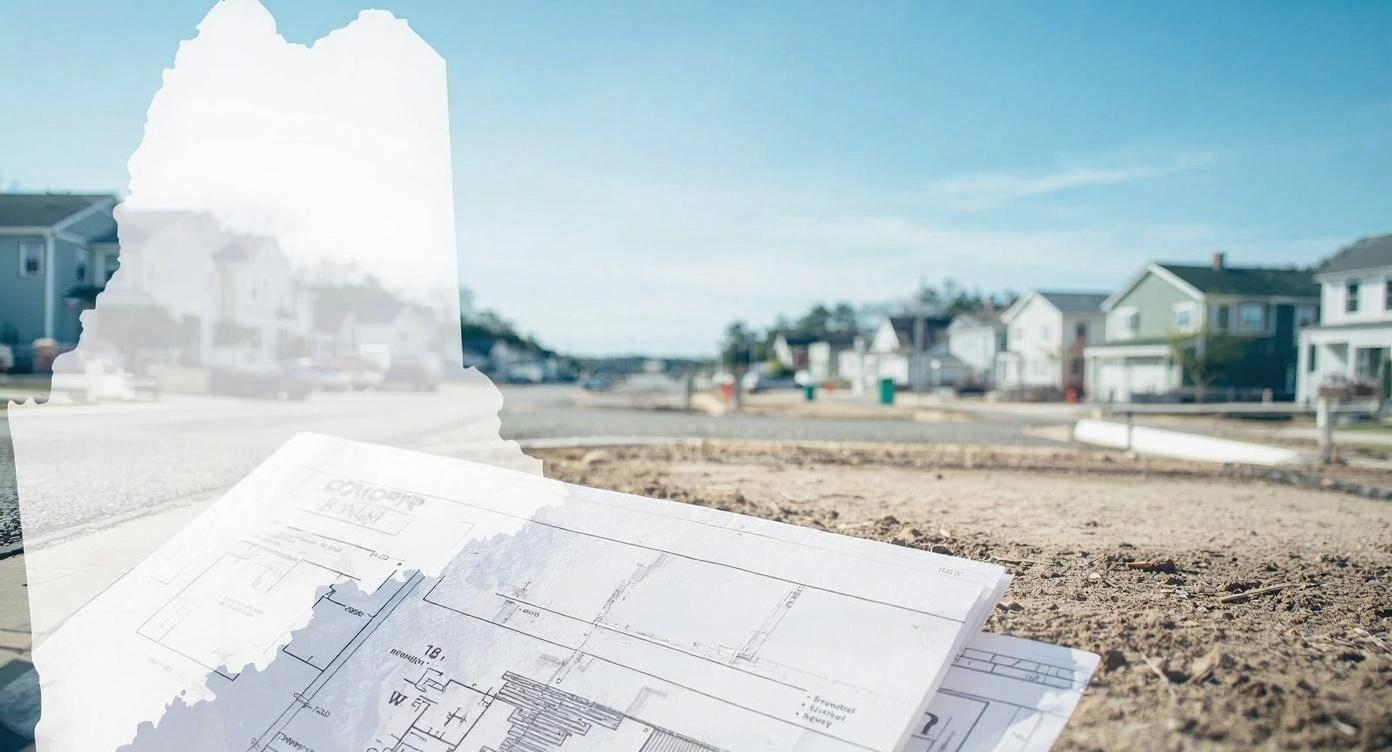
Nearly a year after the city of Bangor took a bold step to accelerate housing development, the preapproved housing plans it paid to create remain untouched, leaving planners scratching their heads and searching for answers.
In early 2025, city leaders invested $182,400 to develop a suite of preapproved architectural designs and development plans — including layouts for accessory dwelling units (ADUs) and multi‑family housing — with the explicit goal of speeding up permitting and lowering barriers for builders. The concept was simple: give developers a head start by providing ready‑to‑use designs that already meet zoning and design standards in key neighborhoods, so projects could proceed quickly and smoothly.
But as of March 2026, not one builder has taken advantage of the plans.
What Bangor Hoped to Achieve
The idea behind the preapproved plans was straightforward: in a market where housing supply has struggled to keep up with demand — particularly for modestly priced rental units and owner‑occupied options — cutting red tape can make a real difference.
Instead of requiring every new proposal to go through a full design review and permitting process, the city commissioned a set of vetted designs that would:
- Conform to local design and zoning standards
- Be adaptable to a range of lot sizes and contexts
- Include cost‑effective options such as accessory dwelling units, duplexes, and small multi‑family buildings
- Blend into existing neighborhood character
The expectation was that developers — especially smaller firms or entrepreneurs — could leverage these plans to reduce time and expense up front, making new housing projects viable in a market where affordability and supply remain persistent challenges.
No Takers Yet — And Why It Matters
Despite the effort, city officials now face the surprising reality that none of the preapproved plans have been submitted as part of a project application. Not a single builder has filed to use them.
That lack of uptake matters for several reasons:
- Housing Supply Still Lags: Like many Maine communities, Bangor has experienced limited new construction of homes affordable to local workers, young families, and first‑time buyers.
- Policy Tools Are Only Helpful if Used: Creating tools to streamline development is one thing — ensuring they’re adopted and connected to real construction activity is another.
- Resource Investment Needs Visibility: With nearly $200,000 invested in the design work, city planners are now looking at how to promote what they’ve built, rather than simply provide it.
City officials have acknowledged the disconnect and are now focusing on outreach and awareness. Many developers — especially those not already immersed in local processes — may not even know the plans exist.
Officials Push Awareness and Outreach
To bridge that gap, Bangor’s housing and planning staff are planning a series of outreach efforts targeted at:
- Local and regional developers
- Housing nonprofits
- Builders who specialize in ADUs, duplexes, or multi‑family construction
- Realtors who work with investors and buyers in starter housing markets
Officials have stated publicly that the preapproved plans were not intended to sit on a shelf — they were meant to be practical resources that builders could use right away to jumpstart projects without starting from scratch.
One planner noted that raising awareness could be as important as having the plans themselves. “If developers don’t know these tools exist, or don’t see how they help reduce costs and timelines, then they’re not going to use them,” the official said.
Why Developers Haven’t Used the Plans (So Far)
There isn’t one clear answer yet, but several factors are likely involved:
- Lack of visibility: Some developers may simply be unaware that these plans were created and available.
- Market conditions: Even with approved designs ready to go, some builders may be hesitant to start new projects in a market where financing, labor, and materials remain uncertain.
- Mismatch with demand: The specific types of preapproved plans — ADUs and small multi‑family buildings — may not align with the projects developers are currently pursuing.
City leaders hope that sharing success stories from elsewhere — where similar preapproved plan programs have helped catalyze housing development — will help illustrate the value of Bangor’s investment.
The Bigger Picture: Housing Tools and Innovation
Bangor’s preapproved plan initiative reflects a broader trend among municipalities grappling with housing shortages: policymakers are experimenting with innovative policy tools designed to reduce friction in the development process.
Other communities have taken steps like:
- Reducing parking requirements in residential zones
- Allowing more multi‑unit buildings by right in areas previously limited to single‑family homes
- Offering density bonuses for projects that include affordable units
Preapproved design plans are part of this toolkit — but the Bangor experience highlights an important lesson: even good tools require effective promotion and community support to succeed.
Looking Ahead
City officials are now scheduling workshops, presentations, and outreach sessions to make sure the plans are actually in front of the builders and investors they were made for. If awareness increases and builders begin to leverage the designs, Bangor could see a wave of projects that move more quickly through the permitting process — potentially helping ease local supply constraints.
For now, however, Bangor’s preapproved housing plans remain unused, a reminder that solving housing shortages takes not just tools, but also communication, education, and engagement with the people who can build the homes Mainers need.