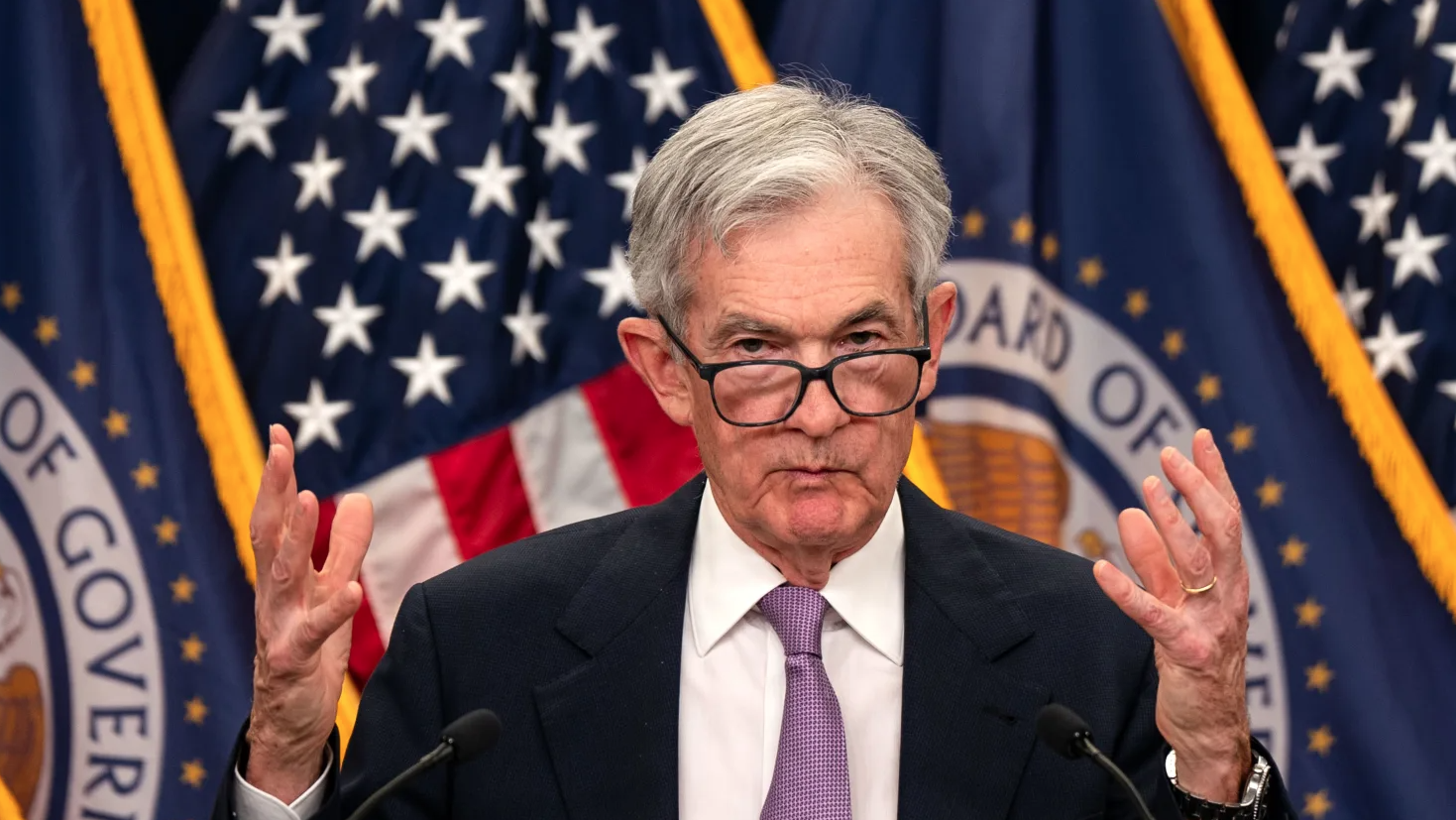
The Federal Reserve has lowered interest rates yet again, bringing the benchmark rate down to a range of 4.25% to 4.5%. While this move is a sigh of relief for many, there’s a cautious undertone—the Fed is signaling fewer cuts in the coming year. So, what does this mean for realtors, investors, and anyone operating in the real estate space? Let’s break it down.
Why the Fed Cut Rates (and Why It Matters to You)
Interest rates affect everything from mortgage loans to business financing. A lower rate means it’s cheaper to borrow money. That’s good news for buyers and investors looking to finance properties. However, the Fed’s caution about future cuts indicates that inflation remains a stubborn opponent, and we’re not out of the woods yet.
Inflation in November stood at 2.7%, slightly up from the previous month. Fed officials are aiming for a 2% target but now expect it to take until 2027 to get there. Why does this matter to the real estate market? Because inflation impacts the cost of living, purchasing power, and consumer confidence—all key factors in buying and selling homes.
The Opportunity for Realtors
Realtors should see this as a chance to educate their clients. Lower rates make borrowing more attractive, which could bring hesitant buyers back into the market. If you’ve got clients on the fence about purchasing, now’s the time to highlight the affordability advantage. However, you’ll want to balance that optimism with honesty about the potential for slower rate cuts in the future.
It’s also crucial to watch for opportunities in the rental market. With rents seeing the smallest increases in three-and-a-half years, tenants may start exploring homeownership as a more affordable option. Tailoring your messaging to this shift could open up new leads.

What This Means for Investors
For real estate investors, the Fed’s decision presents a mixed bag. Lower rates reduce financing costs, which is a win for anyone looking to acquire new properties. But it’s not all smooth sailing. High prices for goods like building materials and groceries—driven by inflation—continue to push up operational costs for rental properties and renovations.
If you’re a buy-and-hold investor, now is the time to evaluate your cash flow strategies. Rising grocery prices and stagnant wages could tighten your tenants’ budgets, potentially impacting rent collections. On the flip side, commercial investors in multifamily properties might find opportunities as more people turn to rentals amid affordability challenges in the housing market.
How Realtors and Investors Can Adapt
- Reassess Pricing Strategies: Sellers may need to adjust their expectations in response to cautious buyers and higher inflation. Realtors can help clients by showing market trends and explaining the current dynamics.
- Focus on Education: Both buyers and investors are likely confused by the economic signals. Be the resource they turn to for clear, concise advice. Host webinars, write blogs, or create social media posts breaking down the impact of these rate changes.
- Look for Deals in Slower Markets: The housing market has seen a slowdown, with existing home sales on track for their lowest numbers in nearly 30 years. For investors, this could mean better deals and motivated sellers. Realtors can use this as a selling point for buyers looking to negotiate.
- Prepare for Inflationary Pressures: Keep an eye on operational costs. If you’re an investor, revisit your budget to account for rising costs in maintenance and repairs. Realtors should consider aligning with contractors or service providers to offer their clients bundled solutions.

What’s Next?
While lower interest rates are always a welcome development, the Fed’s cautious approach means the real estate market will remain a balancing act. Inflation’s persistent grip and the slower pace of rate reductions could shape the market well into 2025.
For real estate professionals, this is a call to stay informed, adapt quickly, and seize opportunities while helping clients navigate these changes. Whether you’re helping a family buy their first home or guiding an investor toward their next deal, the key is to remain flexible and proactive.
As Fed Chair Jerome Powell put it, “The economy is not sending any signals that we need to be in a hurry.” Neither should you. Take the time to strategize, and you’ll come out ahead in this ever-changing landscape.
ARTICLES YOU MAY LIKE