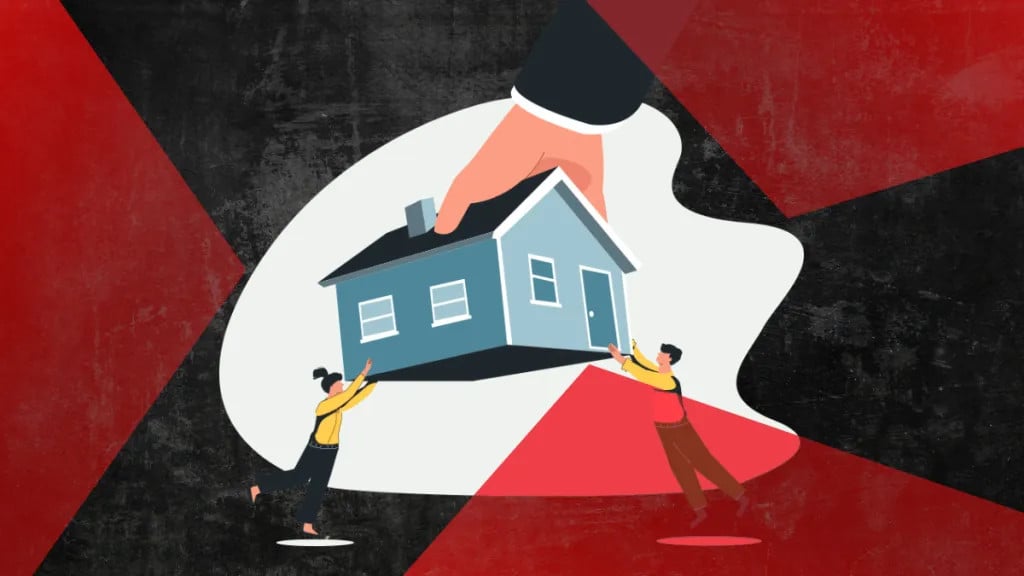
As the U.S. housing market heads toward 2026, forecasts are beginning to point to a gradual recovery in activity, following several years of elevated mortgage rates, affordability pressures, and subdued transaction volume. While the outlook is more optimistic than it was a year ago, analysts stress that this recovery is likely to be measured, uneven, and highly market-specific.
Why Activity Could Pick Up in 2026
Several factors are lining up to support a modest increase in housing activity next year. Forecasts from major industry groups point to:
- Lower mortgage rates, or at least more stable borrowing costs than buyers faced in recent years
- Rising housing inventory in many markets, giving buyers more options and negotiating power
- Improving buyer sentiment, as households adjust to the current rate environment and gain clarity on where prices may be headed
Together, these shifts could bring more buyers back into the market — particularly those who delayed purchases during the height of rate volatility.
Existing-Home Sales May See Meaningful Improvement
One notable projection suggests existing-home sales could rise meaningfully in 2026 compared with recent years. That would mark an important change after a prolonged stretch of historically low transaction volume driven by affordability constraints and the “lock-in effect,” where homeowners with ultra-low mortgage rates chose not to sell.
Even a modest rise in sales would have ripple effects across the industry — benefiting agents, lenders, inspectors, and contractors — while also helping normalize market conditions.
Why This Isn’t a Full-Blown Rebound
Despite the improving outlook, analysts caution against expecting a return to boom-era dynamics. Several factors continue to limit the pace of recovery:
- Affordability remains strained, especially for first-time buyers and younger households
- Mortgage rates are still high by long-term historical standards, even if they edge lower
- Price growth is expected to remain modest, reducing urgency and speculation
In other words, the market may be healthier — but not hot.
A Market Defined by Balance, Not Speed
The emerging theme for 2026 is balance. Buyers may gain more time to make decisions, while sellers may need to price realistically and prepare for longer listing periods. Investors are likely to focus less on rapid appreciation and more on cash flow, value-add opportunities, and long-term fundamentals.
This slower pace could actually be a positive development after years of volatility, helping the market function more smoothly for a wider range of participants.
Regional Differences Will Shape Outcomes
Not all markets will experience this recovery equally. Areas with better affordability, growing employment, or expanding housing supply may see stronger rebounds in activity. Meanwhile, high-cost metros or regions with limited inventory could continue to lag.
For buyers and professionals alike, understanding local conditions will be critical in navigating the year ahead.
What to Expect Moving Into 2026
The housing market appears to be on a path toward gradual normalization, rather than a sharp rebound. Increased activity is likely, but progress will come in fits and starts, shaped by rates, income growth, and regional supply dynamics.
For those prepared to adjust expectations and focus on fundamentals, 2026 could offer a more workable — and less frantic — housing environment than the market has seen in years.
Check out this article next