


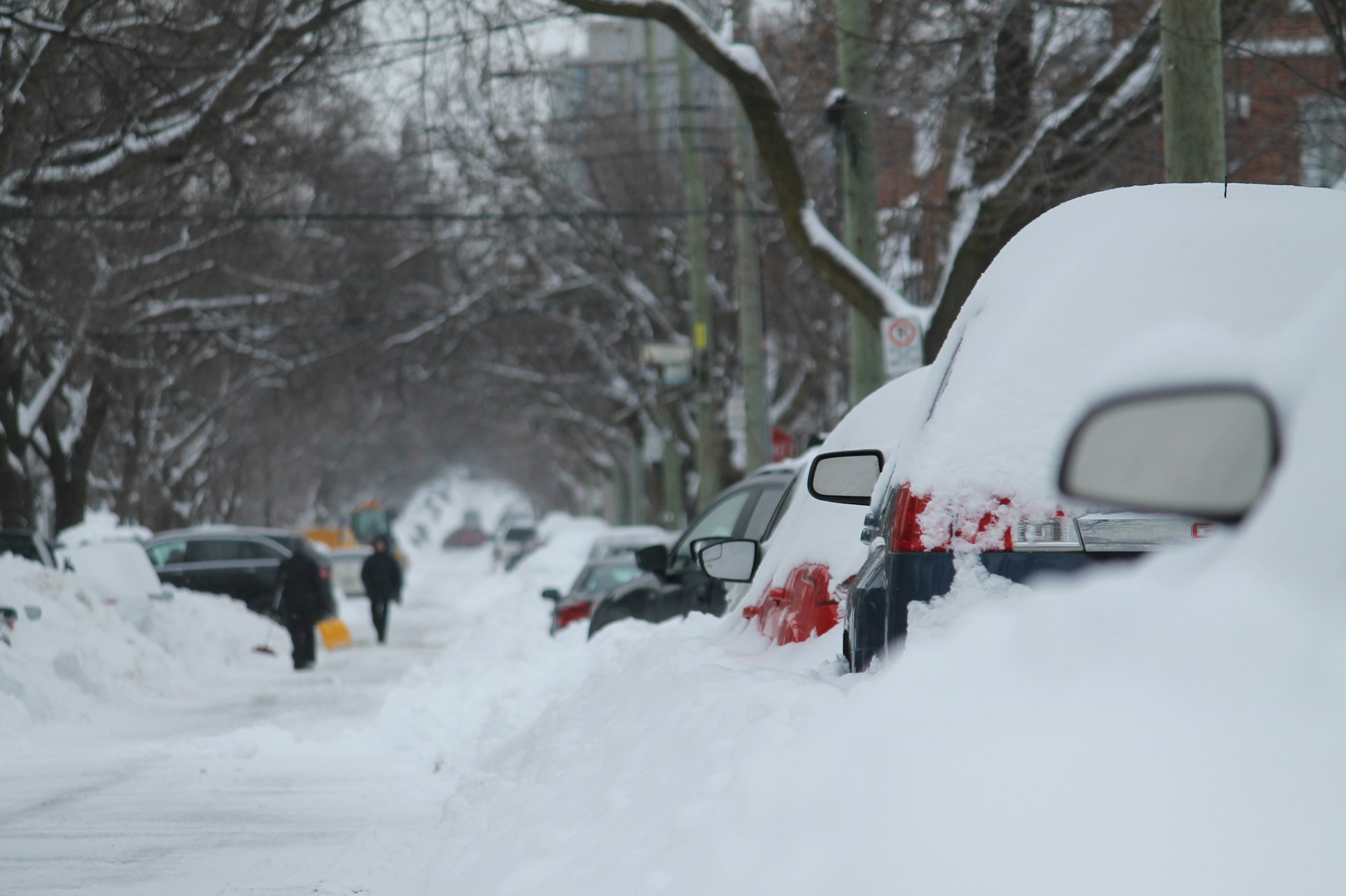
New Jersey was struck by a powerful nor’easter that brought record snowfall, widespread transit shutdowns, and ongoing disruptions to daily life. While historic weather events are common in the Northeast, this blizzard has had noticeable effects on local real estate markets — from sales activity and inventory trends to commuter habits and leasing patterns.
Here’s a deep look at how the storm has intersected with housing and real estate throughout the state, and what it might mean as we head into spring.
Snowstorms Slow but Don’t Stop Market Activity — Yet
Across northern and central New Jersey, communities saw more than a foot — and in some places nearly two feet — of snow on the ground as the storm ripped through. Major roads were impassable for days, transit was halted, and workers stayed home under state travel advisories.
For real estate agents, this translated into a brief lull in showings, open houses, and closings:
- Many property tours were postponed as roads remained uncleared, especially in suburban communities like Ridgewood, Montclair, and Summit.
- Appraisers and home inspectors canceled site visits due to hazardous conditions.
- Pending sales that were on a tight closing timeline faced delays when buyers or professionals couldn’t reach properties.
This pattern is familiar in seasonal markets — severe weather temporarily suppresses activity — but doesn’t usually alter fundamental trends once markets recover. As roads cleared and transit restored, activity began to rebound, creating a compressed window of catch-up showings and accelerated scheduling in early March.
Neighborhood-Level Impacts: Suburbs First, Then Return to Normal
Suburban Markets: Ridgewood, Westfield, Summit
In Bergen, Union, and Essex County suburbs, snow removal timelines directly influenced accessibility:
- Towns with faster snow clearance — such as Westfield and Summit — saw showings resume more quickly.
- Locations where roads remained snow-packed through the weekend experienced longer postponements, creating a temporary dip in weekend traffic for listings.
Buyers who might have scheduled multiple showings over those weekend days instead consolidated viewings later in the week, leading to higher weekday traffic for listings once the weather allowed.
Urban Markets: Jersey City and Hoboken
Urban condos and multifamily properties were less affected by snow delivery logistics; however, transit disruptions did affect commuter showings:
- Buyers from out of town found it harder to schedule weekend viewings.
- Some tenants delayed open house attendance due to ongoing NJ Transit service issues compounded by the storm.
Still, once sidewalks were cleared and transit resumed, these markets quickly returned to regular showing patterns — a testament to strong urban demand and walkable infrastructure.
Transit Disruptions Add Another Layer of Impact
The blizzard’s timing intersected with an already ongoing NJ Transit infrastructure upgrade, including work on the Northeast Corridor and the new Portal North Bridge. Even before the storm, commuters were being advised to work from home during peak construction periods, per The Guardian.
When the storm hit, rail services were suspended for safety reasons, compounding the outbound service limitations many commuters were already facing. That has prompted some buyers to reconsider their priorities:
- Some commuters are placing a higher premium on reliable transit access, even if it means paying slightly more for properties closer to busier transit hubs.
- Others have shifted attention to walkable neighborhoods with alternative transit options — such as light rail, PATH, or express bus lines — that might be less affected by rail bottlenecks.
This transit-related shift has not yet drastically reshaped pricing, but it has influenced search behavior in late February and early March — particularly among buyers whose top priority is daily commuting ease.
Sales, Inventory, and Leasing Trends Post-Storm
Sales Activity
The blizzard did slow sales activity temporarily, but brokers report that contracts put in place before the storm continued moving forward once roads reopened. For properties that hit the market just before the snow, interest picked up quickly later in the week — in some cases with multiple offers once visibility returned.
Inventory remains constrained across most counties:
- Many sellers chose not to list during the storm, keeping supply tight even as demand bounces back.
- Homes that were already on the market during the storm continued to draw strong interest once conditions normalized.
As a result, months-of-supply figures — a key measure of how tight a market is — have kept pressure on prices, particularly in highly desirable commuter towns.
Inventory Trends
Inventory shortages were already a headline throughout late 2025 and into early 2026, and the storm did little to change that reality. A few trends are worth noting:
- Listings that came online just before the storm were essentially “frozen” in place for several days, meaning less visible choices for buyers.
- Some sellers postponed new listings until storm cleanup was underway, creating an early-spring inventory bump later than usual.
- Given historically low months-of-supply in many suburban and urban segments, even a short weather-related pause did not produce notable increases in available properties.
This constrained supply continues to be a major factor supporting price stability.
Leasing and Rental Markets
Multifamily leasing remained steady through February, underscoring a persistent demand for rental housing:
- Properties near transit stations saw rapid lease-ups once service resumed, reflecting ongoing interest in transit-accessible living — even amid service disruptions.
- Modern rentals with amenities (indoor parking, fitness centers, walkable access to shops) remained attractive given the snowstorm’s impact on commuter rails and roads.
- Single-family rentals in desirable school districts also saw strong absorption, as some families chose suburban rental living while they wait to buy.
Leasing activity did not experience the same slowdown as sales because most rental tours and inquiries shifted to mid-week or virtual formats during the storm.
What Realtors and Buyers Are Saying
Real estate professionals across North and Central New Jersey highlight a few consistent takeaways post-storm:
- Transient slowdowns don’t change fundamental trends — demand remains high, and inventory is limited.
- Transit reliability is increasingly part of buyer decision-making — storms that hit commuter rail coordination push some buyers toward locations with multi-modal access.
- Weather resilience and convenience are valued more now — buyers are noting features like indoor parking and proximity to cleared sidewalks as advantages.
For many buyers, last winter’s weather reinforced the appeal of properties that offer year-round convenience — especially those where driving or commuting isn’t dependent on narrow windows of clear roads or uninterrupted rail service.
Spring 2026
As we move deeper into early 2026:
- Expect the market to snap back quickly after weather delays — typical spring activity will mix with catch-up from winter postponements.
- Inventory may tick up as more sellers list in March and April, but the supply shortage remains a structural issue.
- Leasing demand, particularly near transit and in suburban walkable cores, likely remains robust.
- Buyers who delayed searches at the end of February are expected to return in force — often with higher urgency after experiencing weather-related slowdowns.