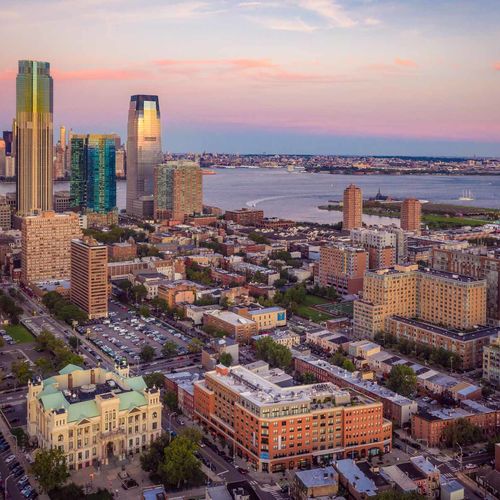

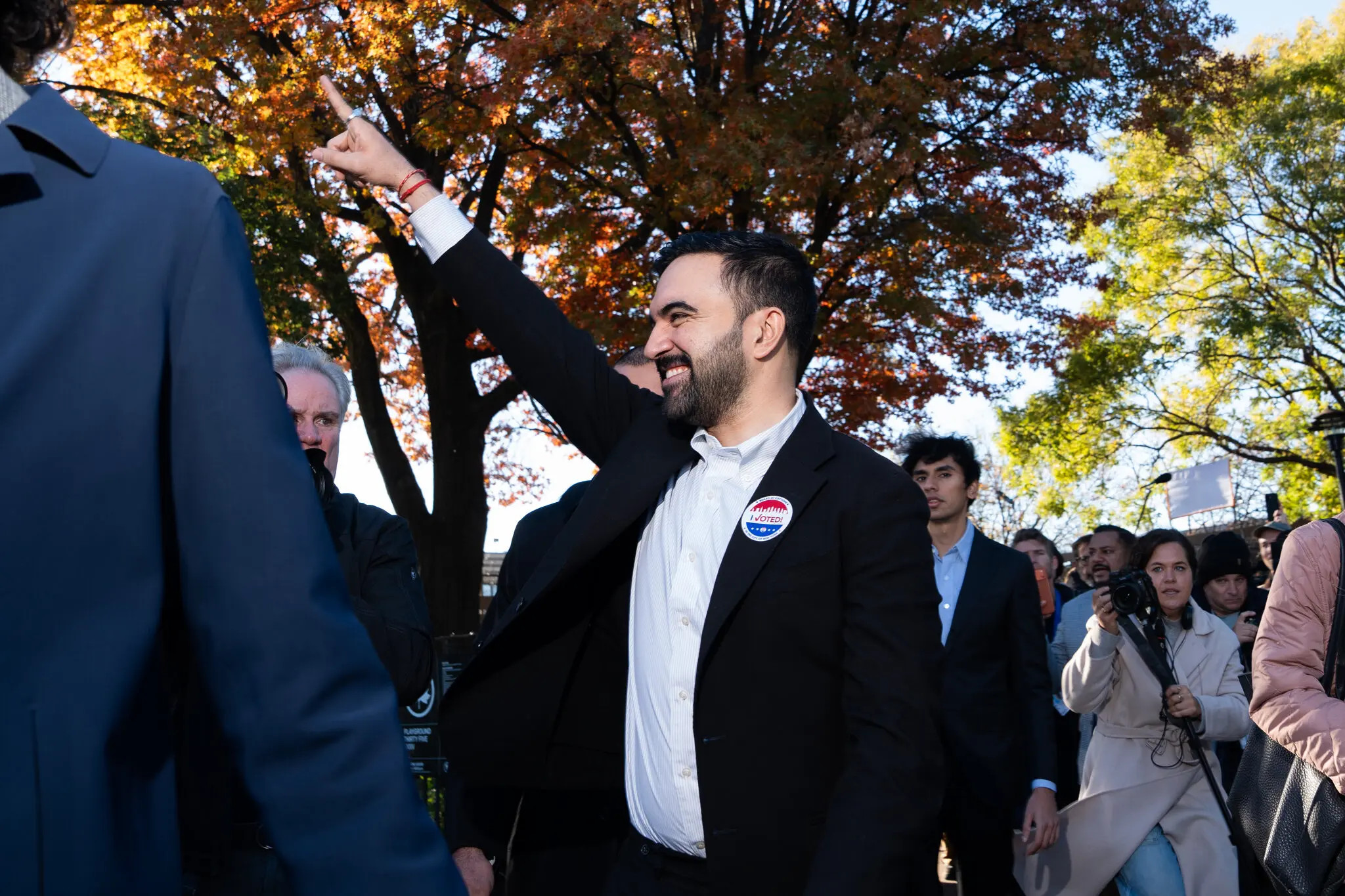
New York’s ultra‑luxury real estate market is showing early signs of cooling — and a big part of the story traces back to the election of Mayor Zohran Mamdani and his proposed tax agenda. For realtors, brokers, and investors, this shift carries both risks and opportunities. Below, let’s unpack what’s happening, why it matters, and how real estate pros can adapt.
What’s Driving the Luxury Market Slowdown
A Sharp Drop in Super‑Prime Sales
Recent data from Knight Frank shows that in Q3 2025, sales of New York properties priced at $10 million or more dropped by around 38% compared to the prior quarter. That trend started in Q3 and we see signs that it may continue…(read on for more). That’s not just a blip — it’s a meaningful contraction in one of the city’s most exclusive slices of the market. (The Times)
Moreover, the total dollar volume traded in that bracket plunged by 59%, signaling that not only are there fewer deals, but the deals that are happening are likely smaller or more conservatively priced.
Political Risk Is a Big Factor
A lot of the hesitation among ultra‑wealthy buyers seems tied to Mamdani’s proposed 2% “millionaires’ tax” on income over $1 million. While the idea is to raise revenue for public programs, such as free public transit, affordable housing, and universal childcare, the mere prospect of higher ongoing taxes is making some high‑net-worth individuals think twice about locking in mega‑transactions. (Forbes)
On top of that, Mamdani has floated shifting more of the property tax burden onto higher‑value homes, particularly in neighborhoods long seen as under-taxed relative to their market value. Between income-tax risk and potential property-tax reforms, luxury property owners and potential buyers are recalibrating.
Will Wealth Flight Become a Real Concern?
There’s already speculation that some of New York’s ultra-rich may start looking outward, especially to nearby suburbs or lower-tax states. (CNBC) That’s something real estate pros on both sides of the fence need to keep in mind — if capital starts to exit, it could further dampen demand for trophy properties.
Other Real Estate Implications From Mamdani’s Platform
Beyond just luxury sales, Mamdani’s agenda is likely to reshape several facets of NYC’s real estate landscape.
- Rent- Stabilization Pressure
Mamdani has promised a rent freeze on rent-stabilized apartments — potentially affecting up to a million units. (credaily.com) While this could help affordability, landlords are warning that it could make building and maintaining stabilized units more difficult. (gibraltarbv.com) - Affordable Housing Build-Out
A centerpiece of his plan is building 200,000 new affordable / rent‑stabilized units over 10 years. (Fortune) If executed, that could dramatically increase supply in lower- and mid-tier sectors — which could shift investor focus away from speculative ultra-luxury developments. - Corporate Tax Hike Risk
On top of the millionaire tax, Mamdani proposes raising the city’s corporate tax rate to 11.5%. (credaily.com) That has potential ripple effects — not only for major developers but also for commercial real estate investment. Some argue this could deter business growth or even spur relocation to more tax‑friendly jurisdictions. - Wealth Redistribution via Property Taxes
Part of Mamdani’s vision includes reforming how property taxes are assessed. He wants wealthier homeowners in pricier neighborhoods to pay more, effectively shifting some burden away from outer‑borough residents. If such a reform gains traction, it could affect the desirability and valuation of certain luxury properties.
Spatial Impacts: Congestion Pricing & Equity Concerns
We’re seeing that real estate changes aren’t limited to tax policy. A new academic study suggests that congestion pricing — a toll for driving into certain central zones — may be reshaping how and where people are moving.
According to the research, properties inside the congestion zone saw a ~3.3% drop in sales prices, while rents dropped by ~3% shortly after the policy’s announcement. (arXiv) The study also argues that lower‑value and more rent-sensitive segments are more exposed to these effects, hinting at growing spatial inequality. For real estate pros, that means:
- It’s time to reassess valuations and marketing strategies in affected neighborhoods
- Advising clients (both buyers and sellers) on how congestion pricing is factoring into long-term demand
- Being mindful of how policy‑driven spatial sorting could make some zones less attractive or slower to recover
Transaction Activity & Tax Revenue Signals
Even with the luxury slowdown, not all real estate signals are negative. According to New York City’s budget data, Real Property Transfer Tax (RPTT) collections are bouncing back. (nyc.gov) Year-to-date, residential RPTT is essentially flat year-over-year, and commercial RPTT is up 7.2%, suggesting cautious but perceptible recovery in transactional activity.
This rebound shows that while the ultra‑luxury market is suffering, broader market momentum — especially for other segments — is holding up better than many expected.
What This Means for Realtors & Real Estate Pros
Putting it all together, here’s how you might think about positioning yourself (or advising your clients) in this evolving landscape:
- For luxury brokers:
- Reassess pricing expectations for ultra-prime listings. Buyers may demand discounts or extended marketing periods.
- Lean into your network of politically savvy and long-term buyers who are less likely to be spooked by tax risk.
- Offer clear, data-driven counsel to sellers about how proposed policies could impact future demand.
- Reassess pricing expectations for ultra-prime listings. Buyers may demand discounts or extended marketing periods.
- For developers:
- Consider scaling or pivoting luxury projects if investor sentiment remains weak.
- Explore partnerships in more mid‑luxury or affordable housing — these may align better with Mamdani’s policy direction and public funding priorities.
- Stay on top of zoning, tax, and assessment reform conversations: early movers could benefit significantly.
- Consider scaling or pivoting luxury projects if investor sentiment remains weak.
- For rental‑market professionals:
- Be ready for increased investor interest in stabilized and mid-tier rental stock, especially if demand from high-income buyers softens.
- Track local policy developments (e.g., rent freeze proposals) and educate landlords about what could actually be implemented — not all campaign promises will become law, but they can affect market sentiment.
- Highlight the long-term value of well-located, policy-aligned properties to institutional investors.
- Be ready for increased investor interest in stabilized and mid-tier rental stock, especially if demand from high-income buyers softens.
- For all agents:
- Provide market updates to clients on both policy and transaction trends — these are fast-moving.
- Develop a risk‑management playbook: which clients are most exposed, which neighborhoods are likely to face headwinds, and where deals might be most attractive.
- Leverage data (like congestion pricing impact or RPTT trends) to help clients make informed decisions, not just emotionally driven ones.
- Provide market updates to clients on both policy and transaction trends — these are fast-moving.
Bottom Line
Zohran Mamdani’s election is more than just a political shift — for New York real estate, especially at the top end, it’s a structural signal. The luxury market is already reacting, and realtors who adapt their strategies now will not only manage risk — they could also unlock new opportunities in a changing city.
If you’re a real estate professional working in NYC, keeping one eye on policy and the other on market data isn’t just smart — it may become essential.
Check out this article next