


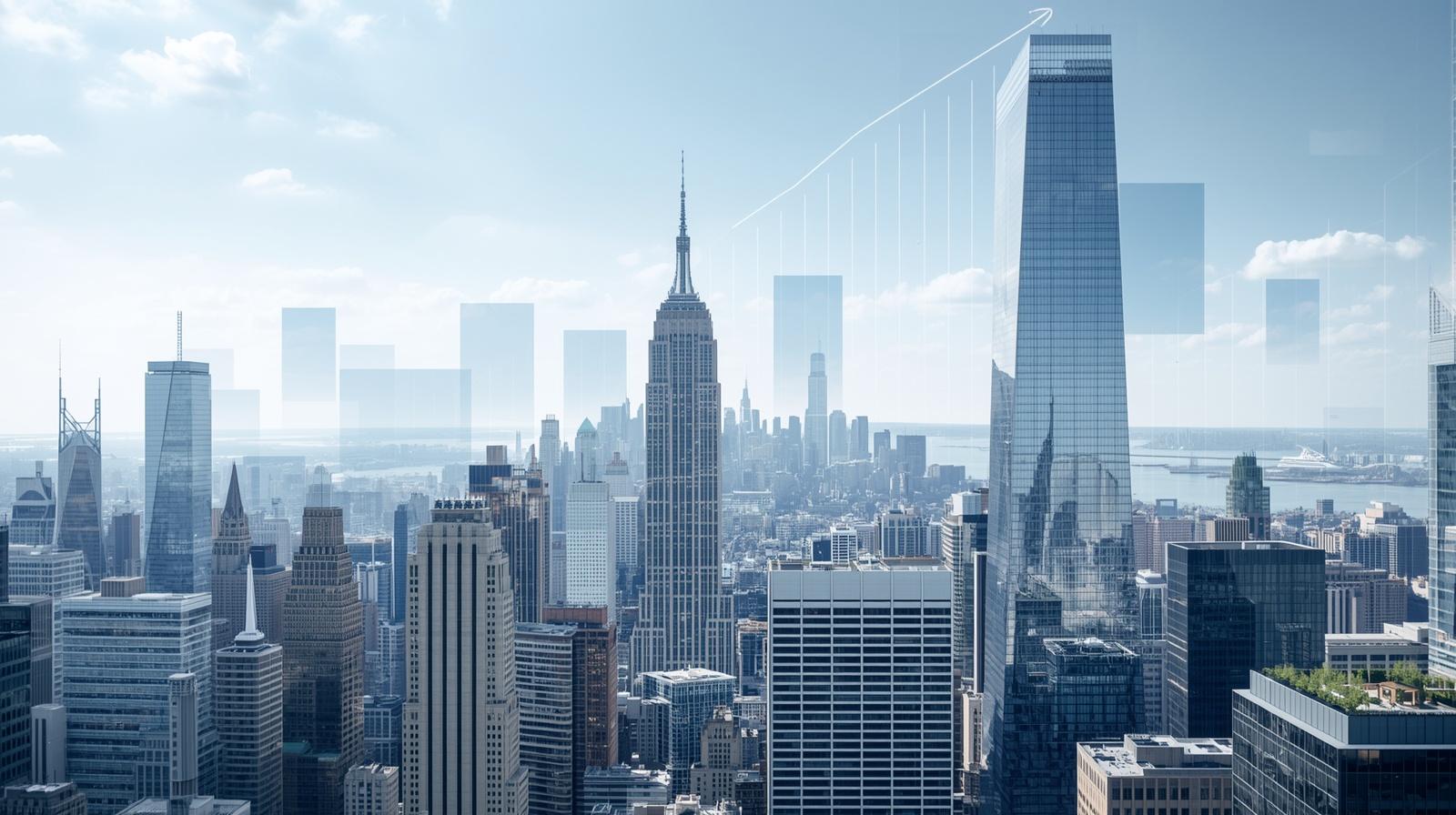
For much of the past year, headlines around New York City real estate have focused on uncertainty—rising rates, affordability challenges, and shifting demand. But in the luxury segment, the story is more nuanced. The market isn’t stalling. It’s evolving.
One of the clearest examples of this shift is unfolding at One Hundred Barclay, a high-end residential building in Tribeca. A sprawling penthouse that once asked roughly $59 million has now been split into two separate luxury residences after sitting on the market for an extended period. According to reporting by the New York Post, the reconfiguration is a direct response to buyer behavior, not a sign of disappearing demand.
In other words, the issue wasn’t that no one wanted the property—it was that the original product didn’t match what today’s luxury buyers are actually looking for.
From Trophy Listings to Targeted Demand
For years, ultra-large, trophy-style penthouses dominated the top end of Manhattan real estate. These homes were designed to appeal to a very small pool of global ultra-wealthy buyers willing to spend tens of millions on a single, expansive residence.
That buyer pool still exists—but it has become more selective.
What developers are now seeing is a shift toward practical luxury. Buyers at the highest price points are still willing to spend, but they are increasingly focused on how a space functions, how quickly they can move in, and whether the property feels aligned with their lifestyle.
By splitting the Barclay penthouse into two units, the developer is effectively widening the target market. Instead of searching for one buyer willing to commit nearly $60 million, they can now appeal to two separate buyers at lower—though still ultra-luxury—price points.
It’s a strategic adjustment that reflects a broader change across the market.
The Rise of the “Right-Sized” Luxury Buyer
Today’s luxury buyers are not necessarily looking for the biggest possible space—they’re looking for the right space.
That often means:
- Layouts that feel livable rather than excessive
- High-end finishes that don’t require additional renovation
- Move-in-ready conditions that eliminate delays and uncertainty
- Strong value relative to price-per-square-foot expectations
Even at the top of the market, buyers are thinking more critically about value and usability.
This doesn’t mean they are spending less—it means they are spending more intentionally.
Why This Shift Is Happening Now
Several factors are driving this evolution in buyer behavior.
First, the global luxury buyer pool has become more sophisticated. Many high-net-worth individuals already own multiple properties around the world. They are no longer buying simply for status—they are buying for lifestyle, convenience, and long-term usability.
Second, the market has experienced a period of adjustment following the rapid price growth of the early 2020s. That environment has made buyers more disciplined. They are less likely to overpay for properties that don’t meet their expectations.
Third, the increase in available luxury inventory over the past few years has given buyers more options. With more choices, they can afford to be selective.
Developers Are Adapting in Real Time
The response from developers has been clear: adapt or wait.
In the case of One Hundred Barclay, splitting the penthouse is a direct acknowledgment that the original concept was too narrow for current demand. Rather than continuing to market a single ultra-expensive unit, the developer chose to reposition the asset in a way that better aligns with buyer preferences.
This kind of adjustment is becoming more common.
Across Manhattan, developers are:
- Repricing units more strategically
- Offering concessions or incentives
- Reconfiguring layouts to improve functionality
- Prioritizing move-in-ready finishes over customizable shells
These are not signs of weakness. They are signs of a market finding equilibrium.
A Market That’s Evolving, Not Declining
It’s important to understand what this trend is not.
This is not a collapse in luxury demand. High-end transactions are still happening across New York, and affluent buyers remain active in the market. What’s changing is the relationship between product and buyer expectations.
The days of “build it bigger, and they will come” are fading. In their place is a more refined approach where design, pricing, and usability must align closely with what buyers actually want.
That shift may slow down certain high-profile sales, but it ultimately leads to a healthier, more sustainable market.
What This Means for Real Estate Professionals
For agents, investors, and developers, the takeaway is straightforward but important.
Luxury real estate in New York is still very much alive—but success now depends on precision.
Understanding buyer psychology, pricing realistically, and presenting a product that feels complete and livable are becoming more critical than ever. The margin for error—especially at the highest price points—is shrinking.
Properties that hit the mark will sell. Those that don’t may require repositioning, like the Barclay penthouse.