


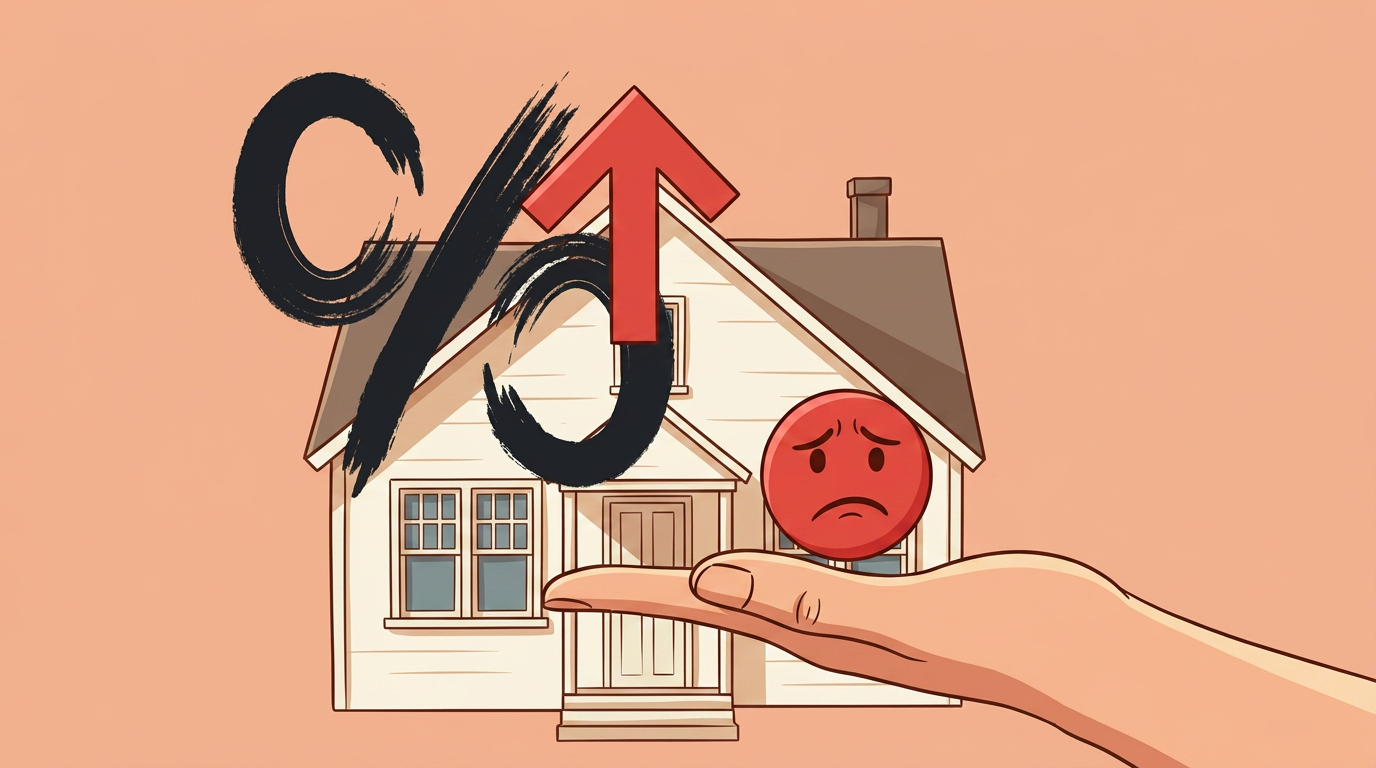
For the first time since late 2022, mortgage rates have slipped below the 6% mark — a number that has carried almost symbolic weight for homebuyers over the past few years.

According to the latest data from Freddie Mac, the average 30-year fixed mortgage rate now sits around 5.98%. While that’s only a slight move below the line, psychologically it’s a big one. For many buyers who have been watching rates week after week, “under 6%” feels different than “above 6%.”
What’s Behind the Drop?
The decline largely reflects recent movements in Treasury yields and broader trends in the bond market. Mortgage rates don’t move randomly — they tend to follow the direction of the 10-year Treasury yield, which has eased in recent weeks as markets reassess inflation expectations and economic growth.
In simple terms, borrowing costs are softening.
But that doesn’t automatically mean the housing market is about to explode back to life.
Not a Return to the Pandemic Era
It’s important to keep this in perspective. Even at 5.98%, mortgage rates remain well above the ultra-low levels seen during the pandemic, when buyers could lock in loans below 3%. Those historically low rates fueled intense competition, bidding wars, and rapid price appreciation.
Today’s market looks very different.
Home prices remain elevated in many areas. Inventory is still tight. And monthly payments — even with rates dipping — are significantly higher than they were just a few years ago.
That’s why many economists are cautioning against assuming this drop will trigger a housing boom. Lower rates help, but they don’t solve the supply problem. And without more homes on the market, demand alone can’t carry the momentum.
The Psychological Factor
Still, numbers matter — especially round ones.
For months, many buyers have been saying they’re “waiting for rates to start with a five.” That threshold has become a mental line in the sand. Breaking below 6% may encourage some of those hesitant buyers to reenter the market, particularly as the spring homebuying season approaches.
Refinancing activity could also see a modest pickup. Homeowners who bought in 2023 or 2024 at slightly higher rates may now find small savings opportunities worth exploring.
What Happens Next?
The big question is whether rates continue drifting lower — or if this dip proves temporary.
Mortgage rates are closely tied to inflation data and Federal Reserve expectations. If inflation cools further, yields could ease again. But if economic data surprises to the upside, rates could bounce back just as quickly.
For now, the takeaway is this:
- Rates are improving.
- Affordability is slightly better.
- But the market is still constrained by limited supply.
As spring approaches, this shift below 6% may bring more activity — not a frenzy, but a thaw. And in today’s housing market, even modest improvements feel meaningful.