Mortgage rates are back in the spotlight — and the latest move is creating new concerns for the housing market just as the spring buying season begins.
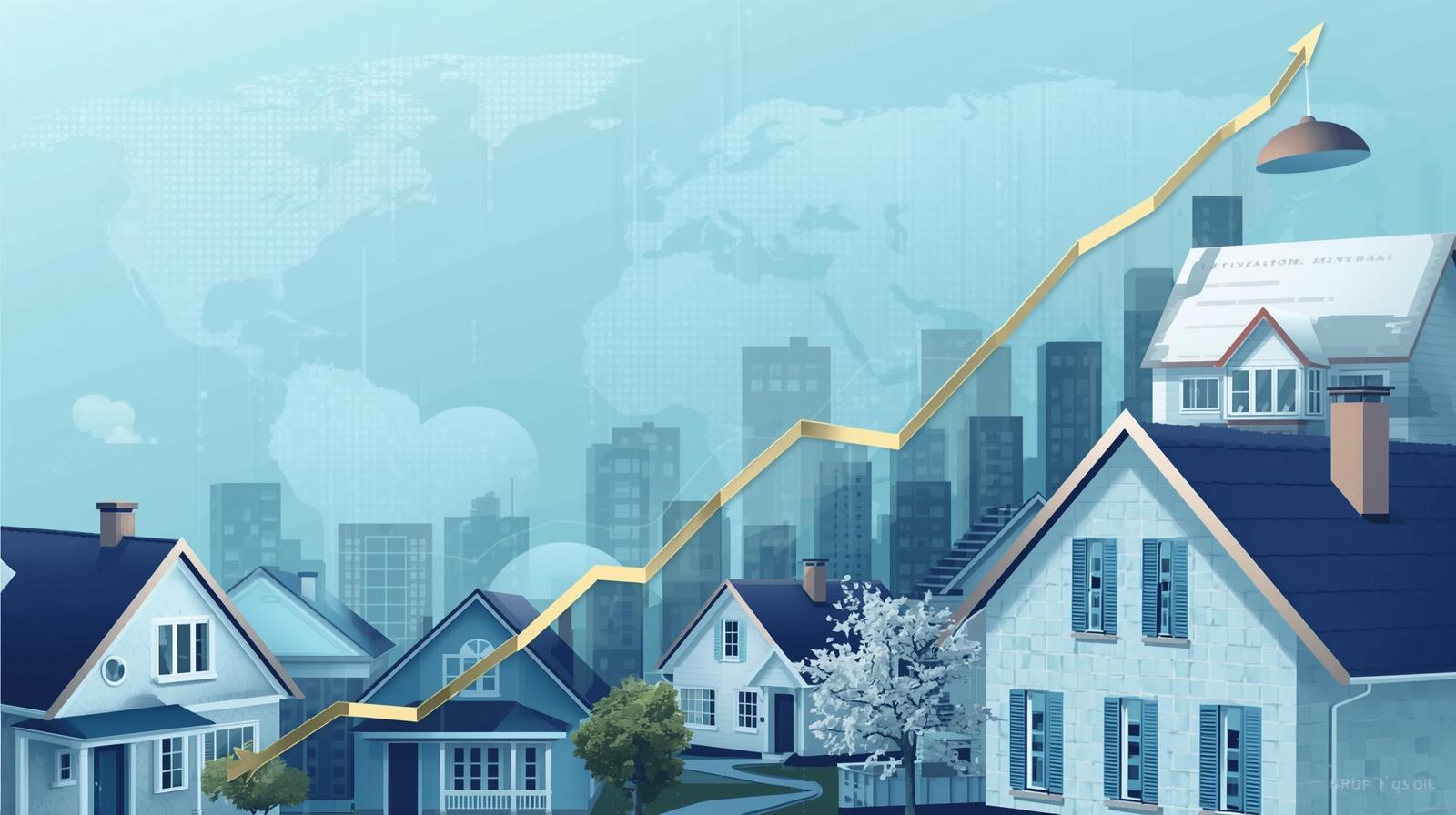
The average U.S. 30-year fixed mortgage rate has climbed to about 6.22%, marking its highest level in more than three months.
This increase continues a recent upward trend, with rates rising for three consecutive weeks, reversing the earlier optimism seen when rates briefly dipped below the 6% threshold.
What’s Driving the Sudden Increase?
The main force behind the spike isn’t domestic housing data — it’s global economics.
A growing conflict involving Iran has pushed oil prices higher, fueling concerns about inflation and sending U.S. Treasury yields upward.
Because mortgage rates closely follow the 10-year Treasury yield, that ripple effect has quickly translated into higher borrowing costs for homebuyers.
Just weeks ago, mortgage rates had fallen to around 5.98%, but that decline reversed as geopolitical tensions intensified and markets reacted to the risk of rising energy prices.
A Blow to Housing Affordability Efforts
The increase in mortgage rates comes at a sensitive time for the housing market.
Policymakers — including the Trump administration — have been pushing for lower borrowing costs to improve affordability. But rising rates now threaten to offset recent progress, making it more expensive for buyers to finance a home.
Even small rate increases can have a noticeable impact on monthly payments. For many buyers already stretched by high home prices, this latest jump could push them back out of the market.
Spring Market Faces New Uncertainty
The timing of the rate spike is particularly important.
The spring season is typically the busiest period for home sales, but higher mortgage rates could dampen momentum just as activity was beginning to recover.
Recent data had shown early signs of improvement, with some increases in pending and existing home sales tied to earlier rate declines. However, economists warn that this progress could stall if borrowing costs continue rising.
Broader Market Impact
The effects of rising mortgage rates extend beyond just buyers:
- Refinancing activity tends to drop as rates increase
- Seller activity may remain limited due to the “lock-in effect”
- Home sales volume could stay below historical averages
In fact, overall housing activity is still relatively subdued, with existing home sales hovering near 4 million annually, well below typical pre-pandemic levels.
The Bigger Picture
This latest move highlights how sensitive the housing market remains to global events.
Even as domestic conditions showed signs of stabilizing earlier in 2026, external shocks — like rising oil prices and geopolitical conflict — can quickly reverse progress by pushing borrowing costs higher.
What It Means Going Forward
For real estate professionals and buyers alike, the key takeaway is clear:
- Mortgage rates are no longer steadily declining
- Global factors are now playing a major role in housing affordability
- The spring market could be more volatile than expected
If rates continue climbing, the housing market may remain in a slow, uneven recovery phase, rather than transitioning into a strong rebound.