


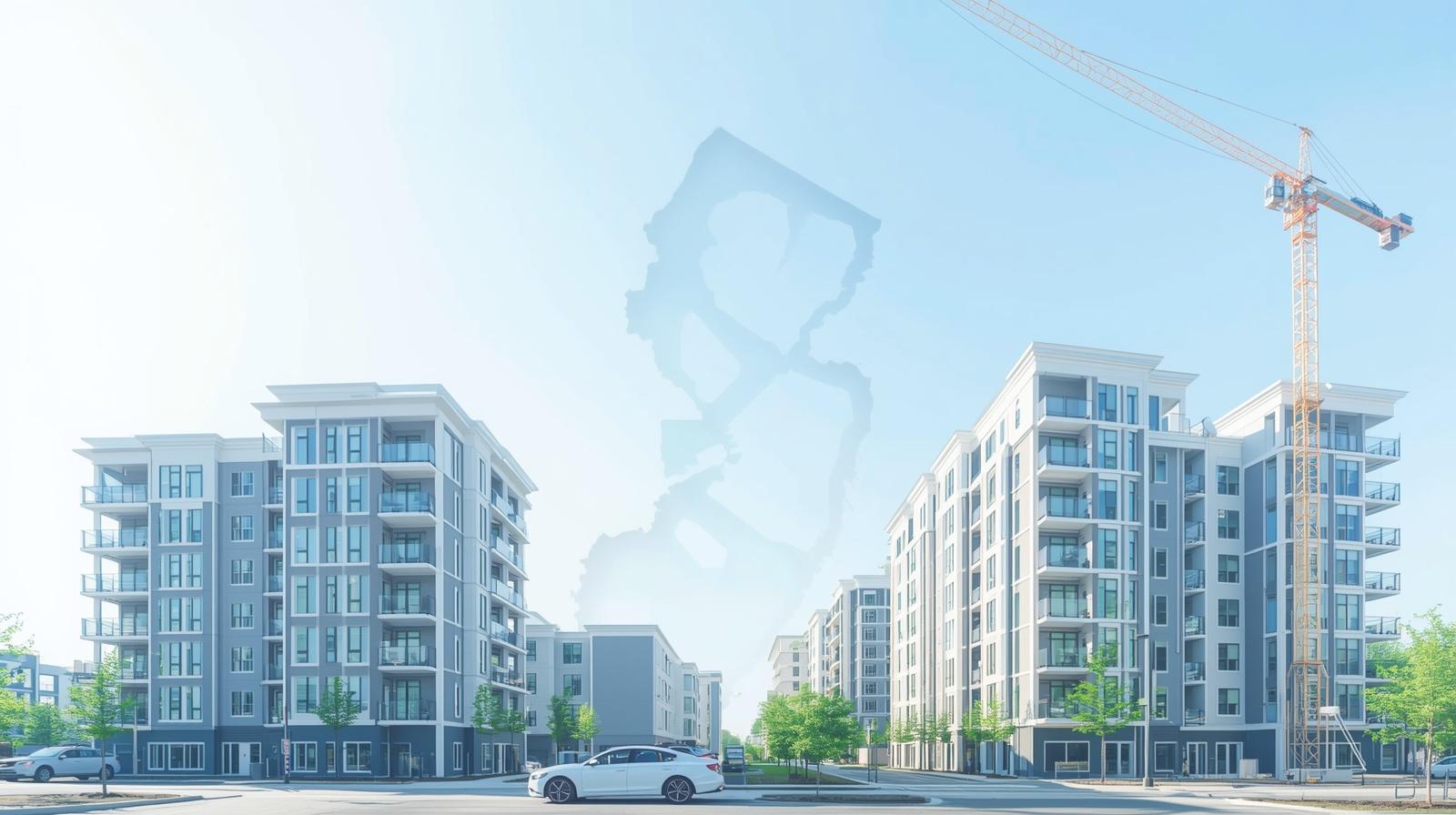
New Jersey’s multifamily sector is showing strong signs of momentum again, with new financing deals, active leasing, and investment activity reinforcing one clear trend: rental housing remains one of the most resilient and in-demand segments of the real estate market in 2026.
A recent deal in Somerset County highlights exactly where the market stands right now — and where it’s heading.
A $31 Million Financing Deal Signals Confidence
One of the latest developments comes from Montgomery Township, where a newly built apartment community, The Somerset at Montgomery, has secured $31 million in permanent financing. The loan was arranged by CBRE, with funding provided by New York Life, according to NJBIZ.
The project, located along Route 206, consists of 115 residential units, including a mix of market-rate and affordable apartments. Specifically, the community includes 92 market-rate units and 23 affordable units, reflecting the growing emphasis on mixed-income housing across New Jersey.
Originally launched in 2022 and completed in 2024, the development is designed as a modern suburban rental community, featuring amenities such as EV charging stations, fitness facilities, private balconies, and in-unit laundry.
From a financing perspective, the deal is significant. Securing long-term capital for a recently completed project signals strong lender confidence in both the asset and the broader multifamily market.
Why This Project Stands Out
Beyond the financing itself, the location and positioning of the development highlight why multifamily continues to perform well.
The Somerset at Montgomery sits near key transportation corridors and within proximity to Princeton — one of the region’s major employment and economic hubs. It’s also adjacent to the upcoming Montgomery Promenade retail center, a large mixed-use destination anchored by major tenants like Whole Foods.
This combination — housing near jobs, retail, and transit access — is exactly what today’s renters are looking for, particularly in suburban markets that offer convenience without sacrificing accessibility.
A Broader Trend: Multifamily Momentum Across the State
This deal is not happening in isolation. It reflects a broader pattern across New Jersey:
- New rental communities are continuing to come online
- Leasing activity remains active in both urban and suburban markets
- Investment sales and refinancing deals are still moving forward
Developers are clearly continuing to build — and lenders are still willing to finance — because the fundamentals supporting multifamily remain strong.
According to CBRE’s 2026 outlook, demand for rental housing is being supported by several structural factors, including high home prices, elevated mortgage rates, and a persistent shortage of for-sale housing.
In other words, many would-be buyers are staying renters longer — and that’s keeping occupancy levels high.
Mixed-Income Housing Is Becoming the Standard
Another important takeaway from the Montgomery project is the inclusion of affordable units.
Developments that combine market-rate and affordable housing are increasingly common across New Jersey. This is largely driven by:
- State affordable housing requirements
- Local zoning policies
- Growing political and community pressure to address affordability
For developers, this model allows projects to move forward while meeting regulatory expectations. For municipalities, it helps expand housing supply without relying solely on subsidized developments.
What This Means for Real Estate Professionals
For agents, investors, and developers, the continued strength of multifamily carries several key implications.
First, it confirms that rental demand remains stable, even as the broader housing market becomes more balanced. High home prices and borrowing costs are still pushing many households toward renting.
Second, it highlights that capital is still flowing into multifamily assets. Financing deals like this suggest that lenders see these projects as relatively safe compared to other asset classes.
Finally, it reinforces the importance of location-driven development. Projects near employment centers, retail hubs, and transportation corridors continue to attract both renters and investors.