


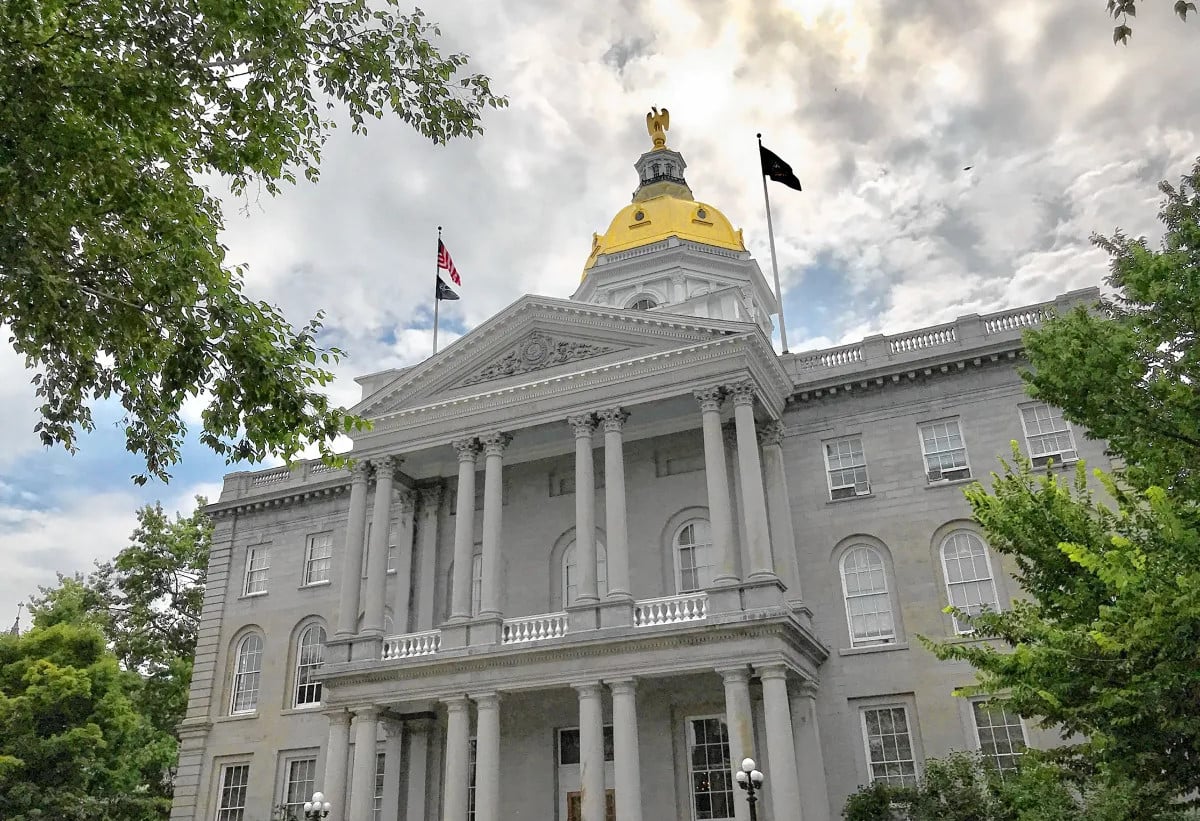
As the 2026 legislative session gets underway, New Hampshire lawmakers are making it clear that housing is once again front and center. A wave of housing-related bills has already been filed, touching everything from zoning and affordability to how different types of property ownership are treated under state law.
The renewed focus isn’t surprising. Housing costs remain high across much of the state, inventory is still limited, and pressure continues to build from employers, municipalities, and residents who say the lack of housing is affecting workforce retention and long-term economic growth. Lawmakers from both parties have acknowledged that incremental changes haven’t been enough — and that broader policy shifts may be needed.
One proposal drawing early attention could have a meaningful impact on second-home owners and investors.
Luxury Second-Home Assessment Proposal
Among the most closely watched bills is a proposal that would create a statewide assessment on non-homestead luxury second homes, with the revenue directed toward housing development and affordability programs. The intent is to generate funding specifically aimed at easing New Hampshire’s ongoing housing shortage, particularly for workforce and primary-residence housing.
Under the proposal, higher-value properties that are not used as a primary residence — including vacation homes and certain investment properties — would carry an additional financial obligation. Supporters argue that these homes place demand on local housing markets without necessarily contributing to year-round housing availability, and that targeted assessments could help rebalance the system.
Per the bill’s sponsors, the goal is not to discourage ownership outright, but to create a dedicated funding stream that supports housing production across the state, especially in areas where prices have surged beyond what local wages can support.
Why This Matters for the Real Estate Market
If passed, this proposal could ripple through several segments of New Hampshire’s real estate market.
For second-home owners and investors, the most immediate concern would be higher carrying costs. Vacation properties along the Seacoast, in the Lakes Region, and near ski areas could see increased annual expenses, which may influence decisions around holding, selling, or converting properties to primary residences.
For developers, the bill could be a double-edged sword. While assessments may raise concerns about investor sentiment in high-end markets, the funds generated could be redirected into housing initiatives that expand supply — potentially creating new development opportunities, particularly for workforce and mixed-income housing.
For primary homeowners, the proposal reflects a broader political shift. There is growing pressure at the state level to prioritize housing that supports year-round residents, local workers, and families. While the bill does not directly tax primary residences, it signals that lawmakers are increasingly willing to differentiate between housing used for living versus housing used for investment or seasonal purposes.
Part of a Bigger Housing Conversation
This bill doesn’t exist in isolation. It’s part of a larger set of 2026 housing proposals that suggest New Hampshire may be entering a more intervention-focused phase of housing policy. Lawmakers appear to be testing new approaches — including funding mechanisms, zoning adjustments, and development incentives — as they try to address a problem that has resisted easy fixes.
Whether the luxury second-home assessment advances, gets amended, or stalls altogether, its introduction alone is significant. It shows that housing affordability is no longer viewed as a niche issue, but as a statewide economic and social concern that could reshape how different property types are treated moving forward.
For real estate professionals, investors, and homeowners alike, 2026 is shaping up to be a year where policy decisions matter more than usual — and staying informed will be critical as these proposals work their way through the legislative process.