


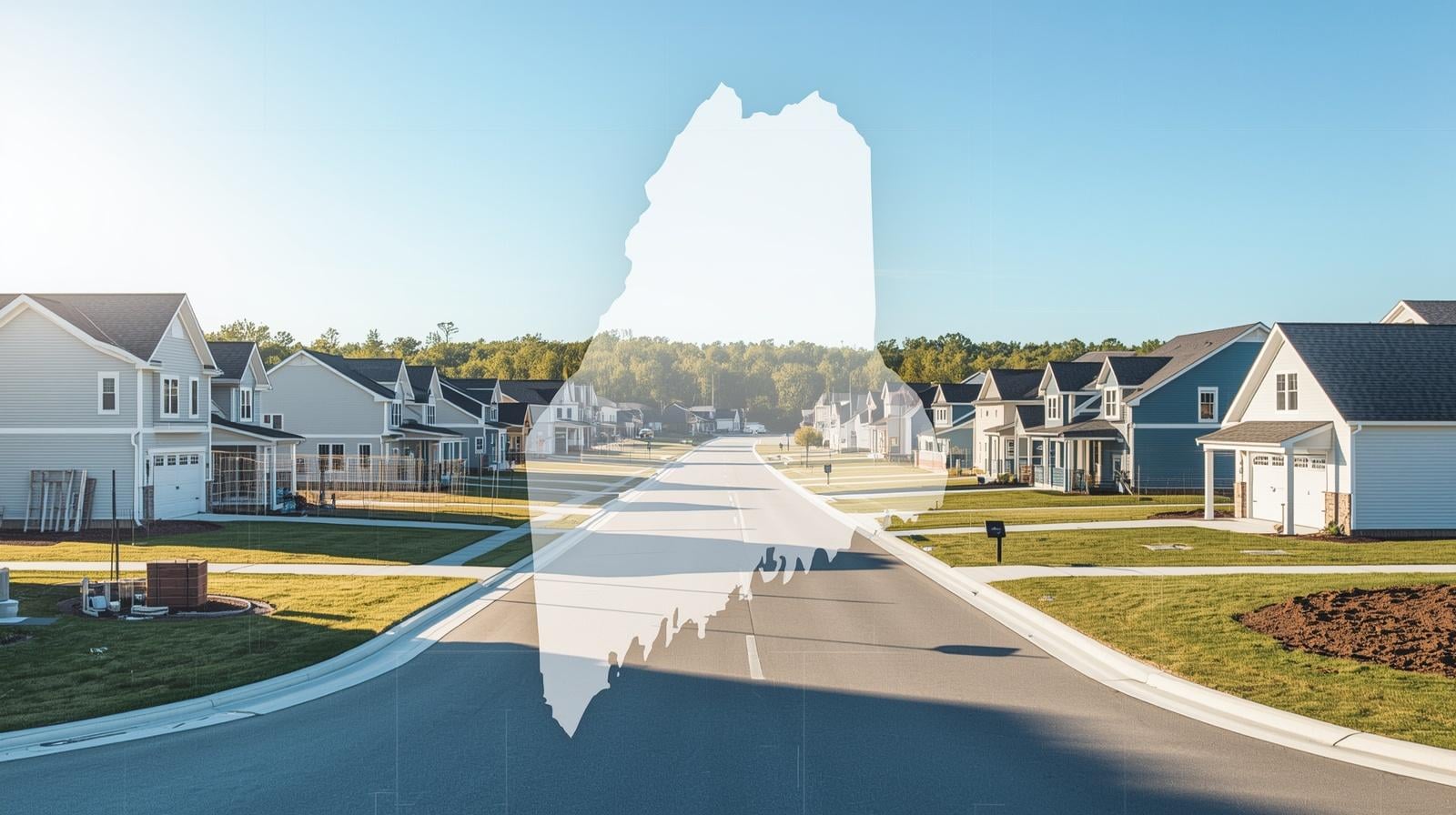
A new residential development proposal in Winterport is drawing attention as Maine continues to look for ways to increase housing supply — not through massive projects, but through smaller, incremental builds.
A developer is proposing a six-lot subdivision called “Bernard’s Place” on a 25-acre parcel along Goshen Road, with plans now moving toward local review.
The proposal reflects a growing trend across Maine: modest, carefully planned developments in rural and semi-rural communities that can add housing without dramatically changing the character of a town.
What the Project Includes
The Bernard’s Place subdivision would divide the wooded property — which includes both forested land and wetlands — into six residential lots for single-family homes.
Unlike some developments aimed at maximizing density, this project leans toward a more traditional, controlled approach. Plans on file outline several restrictions and covenants for future homes:
- Only stick-built homes would be allowed
- Each home must be at least 1,100 square feet
- Mobile homes and campers would be prohibited
These requirements suggest the development is targeting a specific type of buyer — likely those looking for standard single-family homes rather than entry-level or alternative housing options.
Public Review Process Ahead
The project is still in its early stages and will go through the standard local approval process. The Winterport Planning Board has scheduled a public hearing for April 16, where residents and officials will review the proposal and raise questions or concerns.
As with many developments in Maine, the outcome will depend heavily on local feedback and regulatory review.
Key issues likely to come up include:
- Environmental considerations, especially wetlands and flood zones
- Road access and infrastructure impact
- Compatibility with surrounding land use
- Long-term effects on the town’s growth pattern
Environmental and Land Use Considerations
Part of the proposed parcel includes wetlands and areas within a flood zone, which could complicate development plans.
In Maine, projects involving these types of land typically require additional scrutiny, including environmental protections and potential design adjustments. This could affect:
- Where homes can be built within the subdivision
- Drainage and stormwater management plans
- Construction timelines and costs
For developers, these constraints are common — but they also highlight the balancing act between expanding housing and preserving environmental resources.
Why This Matters for Maine’s Housing Market
At first glance, a six-home subdivision might seem small. But in today’s Maine housing landscape, projects like this are becoming increasingly important.
Large-scale developments are often difficult to execute in rural areas due to infrastructure limitations, zoning rules, and local resistance. Instead, incremental development — adding a handful of homes at a time — is becoming a more realistic path to increasing supply.
For real estate professionals, this signals a few key shifts:
- Supply growth is happening gradually, not in big waves
- Smaller towns are becoming part of the housing solution
- New construction is often tailored to traditional single-family buyers
- Local approval processes remain a major factor in timelines
The Bigger Trend: Small Projects, Big Impact
Winterport’s proposal fits into a broader statewide pattern. Maine is working toward increasing its housing stock, but much of that growth is coming from:
- Small subdivisions
- Infill development
- Accessory dwelling units (ADUs)
- Redevelopment of existing properties
These types of projects may not generate headlines individually, but collectively, they play a critical role in addressing supply shortages.
Still, challenges remain. Even smaller developments face hurdles such as environmental regulations, local opposition, and rising construction costs — all of which can slow progress.