


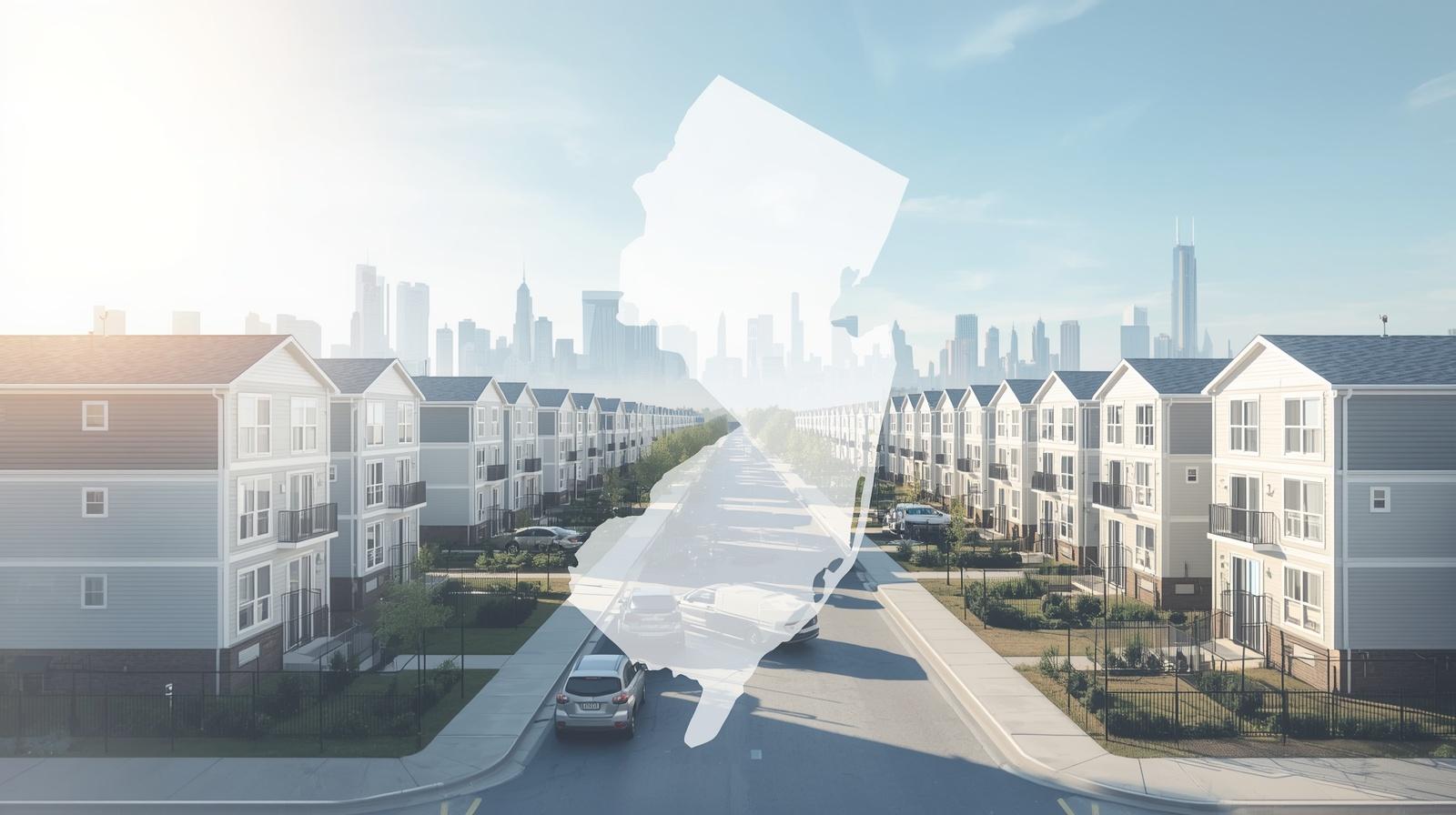
New Jersey has reached a major milestone in its ongoing effort to tackle housing affordability — and for real estate professionals, this moment could shape development patterns for years to come.
As of mid-March 2026, municipalities across the state were required to submit and adopt their affordable housing plans under a sweeping law passed in 2024. The deadline marks a turning point, shifting the conversation from planning to implementation, per WHYY.
A Statewide Push to Address a Longstanding Housing Crisis
New Jersey has long ranked among the most expensive states in the country, with high home prices and limited inventory making it increasingly difficult for many residents to afford housing.
The new law aims to change that by requiring every municipality to:
- Submit a housing plan
- Identify where affordable units can be built
- Adopt zoning and ordinances to support those plans
This isn’t just a policy exercise — it’s a mandated framework for future housing development, one that will directly influence where and how homes get built across the state, per the source.
No Immediate Relief — But Long-Term Supply Gains Expected
While the deadline is significant, it does not mean immediate affordability improvements.
Housing advocates and analysts emphasize that new supply takes time. Construction, approvals, and financing all require years to materialize into actual housing units.
That said, the long-term outlook is substantial. Over the next decade, New Jersey could see:
- Tens of thousands of new affordable housing units
- Additional market-rate housing tied to these developments
This gradual increase in supply is expected to ease pressure on prices over time, even if short-term affordability challenges remain.
Redevelopment Is the Core Strategy
One of the most important takeaways from the submitted plans is where this housing will come from.
Rather than relying solely on new land development, many municipalities are focusing on the redevelopment of underutilized properties, including:
- Vacant shopping malls
- Aging office parks
- Blighted or unused sites
These locations offer a practical solution — they already have infrastructure in place and are often located near transit or commercial corridors.
In many cases, the goal is not just to add housing but to create vibrant mixed-use communities that combine residential, retail, and public space.
Faster Approvals, Fewer Legal Battles
Historically, affordable housing in New Jersey has been slowed down by legal disputes between municipalities and housing advocates.
A key part of the new system is a streamlined dispute resolution process, which has already made a noticeable difference.
Instead of years of litigation, disagreements over housing obligations are now being resolved in a matter of months, allowing municipalities to move forward more quickly with their plans.
For developers, this could mean:
- More predictable timelines
- Faster approvals
- Reduced legal uncertainty
What This Means for Real Estate Professionals
For agents, developers, and investors, this statewide shift is more than policy — it’s a roadmap for future opportunity.
1. New Development Pipelines Are Taking Shape
With plans now submitted, municipalities have effectively outlined where future housing growth will occur. This gives developers early insight into potential projects and redevelopment zones.
2. Redevelopment Will Be a Key Opportunity
Expect increased activity in:
- Older retail centers
- Underused commercial land
- Transit-adjacent properties
These areas are likely to become the next wave of housing development.
3. Mixed-Income Projects Will Become More Common
Many developments will include both affordable and market-rate units, creating opportunities across multiple price points.
4. Inventory Relief Will Take Time
While supply is expected to grow, the timeline is long. In the near term, inventory constraints will likely continue to support pricing in many markets.
A Structural Shift in New Jersey’s Housing Landscape
This moment represents more than just a deadline — it signals a structural shift in how housing is planned and delivered in New Jersey.
By requiring every municipality to actively plan for affordable housing, the state is moving toward a more coordinated and enforceable system — one designed to increase supply, reduce legal delays, and encourage smarter land use.
For real estate professionals, the takeaway is clear:
Understanding local housing plans, zoning changes, and redevelopment pipelines will be critical in navigating the market going forward.