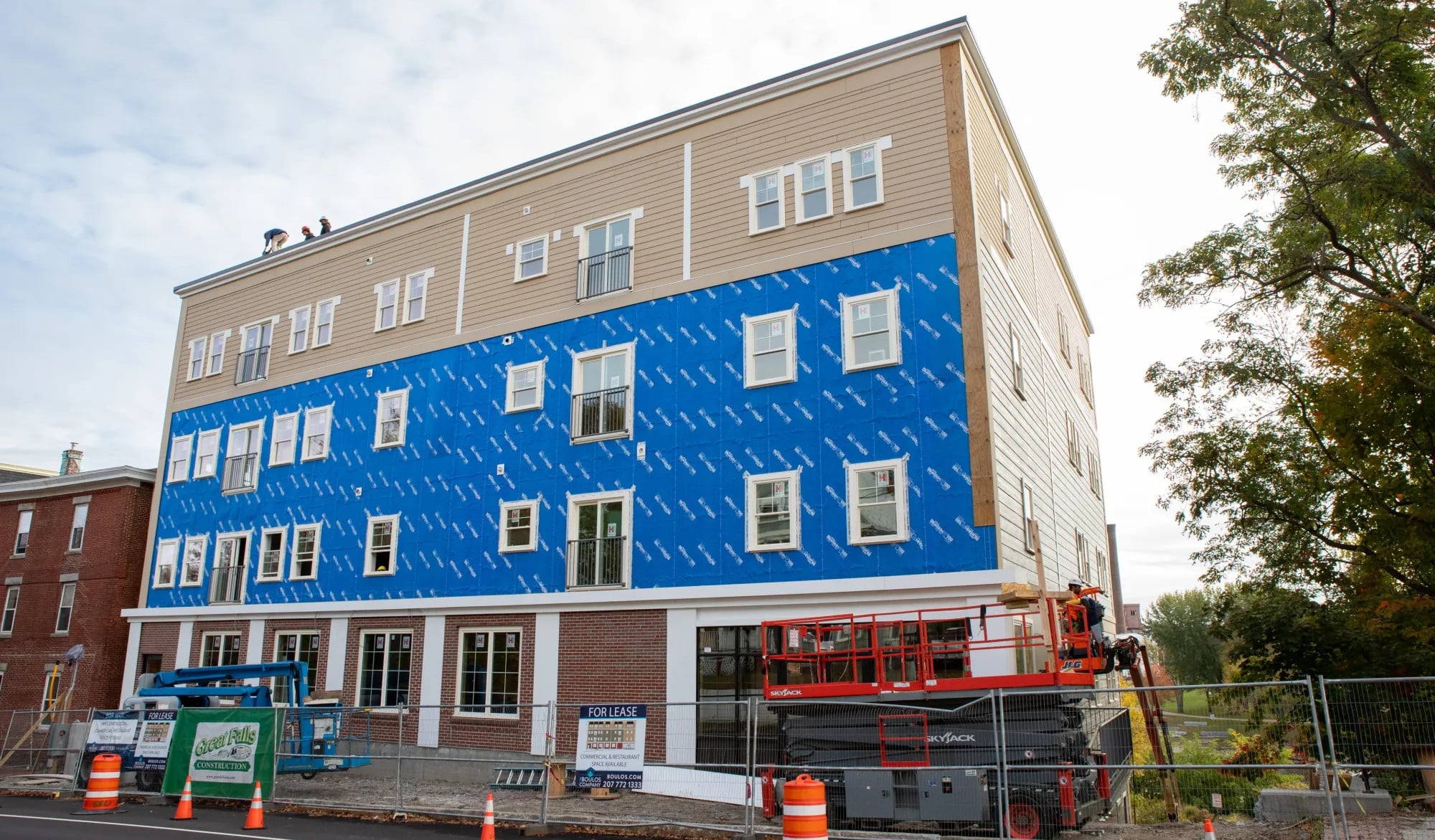
Maine is taking a significant step toward understanding and managing its housing market more effectively. A new state law, passed in early 2026, requires municipalities to submit detailed annual housing data, including building permits and completed units, with records dating back to 2010. This will create a centralized database that tracks how much housing is actually being built versus merely approved, providing valuable insights for a variety of stakeholders.
Why This Matters
Tracking housing development has always been a challenge. While municipalities often know how many permits are issued, little data exist on how many of those projects actually reach completion. By collecting and standardizing this information across the state, Maine aims to identify gaps in housing production, monitor trends, and improve planning at both local and statewide levels.
For realtors, this database can provide a clearer picture of market supply and future inventory. Policymakers can use the data to target investments or policy initiatives in areas where housing is lagging, while developers can make more informed decisions about where and when to build.
Even sports fans keeping up with the Ravens vs Steelers or checking the NFL playoff schedule for January 2026 might be surprised to see how housing trends in Maine reflect broader shifts in where people choose to live and invest. Similarly, investors who follow Venezuela news and global economic shifts could find Maine’s transparent new housing data useful when considering domestic real estate opportunities.
Implications for the Market
- Better Planning: Municipalities can understand where demand is outpacing supply, helping them focus zoning, infrastructure, and incentive programs more strategically.
- Market Transparency: Realtors and buyers gain insight into how many units are actually reaching the market, rather than just being approved.
- Data-Driven Policy: Policymakers can track trends over time and evaluate the effectiveness of housing initiatives, from workforce housing to affordable units.
The creation of this database reflects a broader effort in Maine to align housing supply with actual demand. In a state where affordability challenges and regional market imbalances persist, having accurate and timely data is crucial. Over time, this centralized system is expected to help prevent shortages, guide development, and support sustainable growth across Maine’s communities.
By tracking not just approvals but completions, Maine is giving planners, realtors, and policymakers a much-needed tool to navigate the state’s housing market more effectively. The move promises to improve transparency, planning, and, ultimately, housing availability in 2026 and beyond — even as readers check in on the latest Ravens vs Steelers matchup or scan headlines about Venezuela news.
Check out this article next