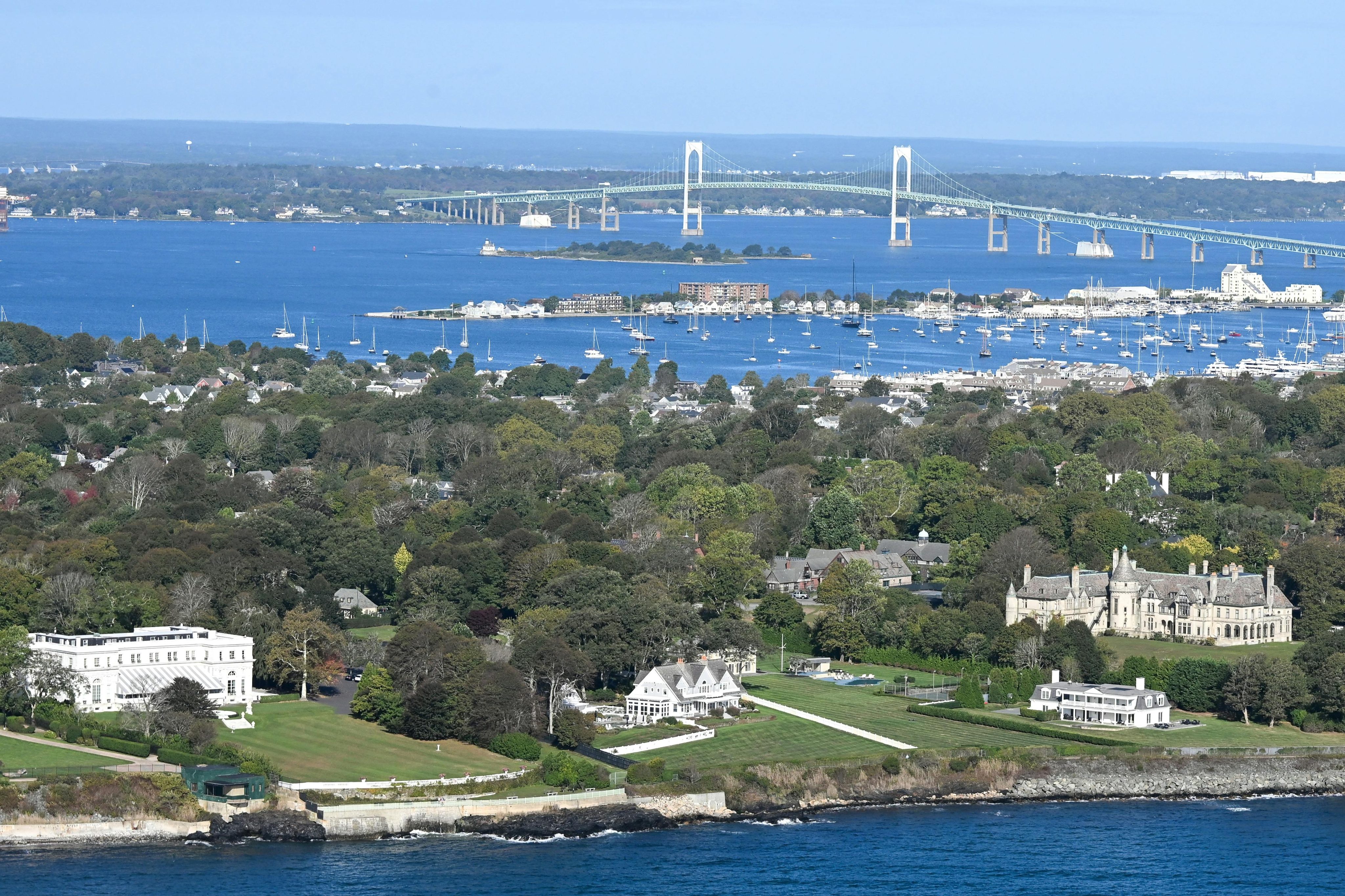
Rhode Island is preparing to roll out a new housing-focused tax policy that could have meaningful implications for the state’s real estate market — particularly at the high end.
The state is moving forward with a new tax on non-owner-occupied residential properties valued over $1 million, with implementation expected to begin on July 1, 2026. The policy is designed to target properties that are not used as primary residences, including second homes, vacation properties, and certain investment holdings.
At its core, the initiative reflects a growing effort by policymakers to address housing supply challenges not just through development, but by influencing how existing housing is used.
A Policy Aimed at Unlocking Existing Housing
Rhode Island’s housing shortage has been widely discussed in terms of new construction and zoning reform. This policy takes a different angle. Instead of focusing solely on building more homes, it looks at how the current housing stock can be brought back into more active use.
State leaders have emphasized that a portion of Rhode Island’s housing — particularly in higher-value and coastal markets — is tied up in properties that are not occupied year-round. By placing additional tax pressure on those properties, the state hopes to encourage owners to make a choice: either use the property as a primary residence, rent it out, or potentially sell it.
The broader goal is to increase the number of homes available to people who actually live and work in the state, rather than leaving units underutilized.
Why High-End and Non-Owner Properties Are the Focus
The decision to target homes valued above $1 million is intentional. These properties are more likely to fall into the category of second homes or investment assets, particularly in coastal communities and desirable vacation areas.
In markets like Newport and other shoreline towns, it’s not uncommon for homes to sit vacant for portions of the year. While those properties still contribute to local tax bases, they don’t necessarily add to the available housing supply for residents.
By focusing on this segment, the state is attempting to address a specific imbalance — where housing exists, but is not actively contributing to the broader market.
Potential Impact on the Market
If implemented as planned, the new tax could influence behavior in several ways.
Some property owners may decide to rent out their homes to offset the added cost, potentially increasing rental inventory in higher-end markets. Others may choose to sell, particularly if the long-term cost of holding a non-owner-occupied property becomes less attractive.
In either case, the policy is designed to create movement — bringing more properties into circulation rather than allowing them to remain idle.
However, the impact is unlikely to be immediate or uniform. Some owners may absorb the cost without changing their usage, particularly in luxury segments where carrying costs are less of a constraint. Still, even a modest shift in behavior could have ripple effects in tightly constrained markets.
Implications for Real Estate Professionals
For real estate agents, brokers, and investors, this policy is worth watching closely.
In coastal and high-value markets, there may be an increase in listing activity if some owners decide to exit. At the same time, rental markets could see added inventory, particularly in areas that have traditionally been dominated by seasonal or second-home use.
Investors, in particular, may need to reevaluate their strategies. Holding high-value properties purely as long-term assets may become less attractive, while income-generating approaches could become more important.
More broadly, this policy signals that Rhode Island is willing to use tax mechanisms as a tool to shape housing outcomes. That introduces a new layer of consideration for anyone operating in the market.
Part of a Larger Housing Strategy
This new tax does not exist in isolation. It is part of a broader set of efforts aimed at addressing Rhode Island’s housing shortage, which has been driven by limited inventory, rising prices, and slow development.
Alongside proposals to streamline zoning, fund affordable housing, and incentivize construction, this policy reflects a more comprehensive approach — one that looks at both supply creation and supply utilization.
In that sense, it represents a shift in thinking. The state is not only asking how to build more housing, but also how to make better use of the housing that already exists.