


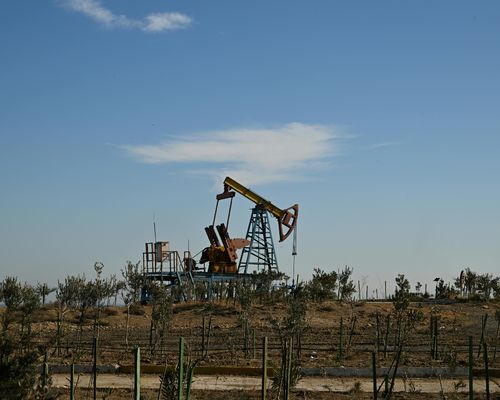
Oil prices are once again climbing sharply, moving back above the $100 per barrel level, as tensions in the Middle East continue to disrupt global energy supply. What initially appeared to be a stabilizing ceasefire has instead revealed a deeper, ongoing crisis—one that is now rippling across financial markets, the broader economy, and the housing sector.
The main driver behind this surge is the continued instability in the Strait of Hormuz, one of the world's most critical shipping routes. Roughly one-fifth of global oil supply passes through this narrow channel, and recent attacks on tankers, seizures of ships, and ongoing military standoffs have severely restricted traffic.
Even with diplomatic efforts underway, the disruption has not been resolved. Tankers remain stranded, shipping routes are unpredictable, and restoring normal flow could take weeks—or longer.
A Global Energy Shock That Isn’t Over
The surge in oil prices reflects more than just temporary volatility—it signals a broader energy shock.
Prices initially dropped after ceasefire announcements, but quickly rebounded as it became clear that supply chains were still constrained. Renewed attacks on oil tankers pushed crude prices back above $100, with analysts warning that disruptions could persist for months.
This situation has already been described as one of the largest supply disruptions in modern energy history, with millions of barrels per day affected and global markets struggling to adjust.
For the global economy, that translates directly into higher costs across transportation, manufacturing, and consumer goods.
Inflation Pressures Are Building Again
As oil prices rise, inflation concerns are intensifying.
Energy is a foundational cost in the economy. When oil becomes more expensive, it raises the price of fuel, shipping, and production across nearly every industry. This is already being felt globally, with rising fuel costs pushing up household expenses and weakening economic growth forecasts.
For central banks, this creates a difficult balancing act. Higher inflation may force policymakers to keep interest rates elevated for longer than expected, delaying any potential relief for borrowers.
The Direct Impact on Housing
While this may seem like a global energy story, the effects are directly tied to real estate.
Higher oil prices increase the cost of building homes. Materials must be transported, equipment must be powered, and labor costs often rise alongside fuel prices. As a result, construction becomes more expensive, which can limit new housing supply or push prices higher.
At the same time, inflation driven by energy costs feeds into mortgage rates. When inflation rises, bond yields typically increase, and mortgage rates tend to follow. That makes borrowing more expensive for homebuyers, reducing affordability.
Transportation costs also play a role. From delivering building materials to moving goods across the country, higher fuel prices ripple through the entire housing ecosystem, adding to the overall cost of homeownership.
A Market Increasingly Tied to Global Events
One of the most important takeaways from this moment is how interconnected real estate has become with global events.
In the past, housing markets were largely influenced by local supply, demand, and interest rates. Today, they are increasingly shaped by international factors—particularly energy markets and geopolitical tensions.
The current situation highlights that shift. A conflict thousands of miles away is now influencing mortgage rates, construction costs, and buyer behavior in the United States.
A Fragile Balance Moving Forward
Despite the ceasefire, the situation remains unstable.
Attacks on ships, ongoing blockades, and stalled negotiations suggest that the energy market will remain volatile in the near term. Even if tensions ease, it could take time for supply chains to normalize and for prices to stabilize.
This uncertainty is already being reflected in financial markets, where stocks are fluctuating and investors are closely watching geopolitical developments.